

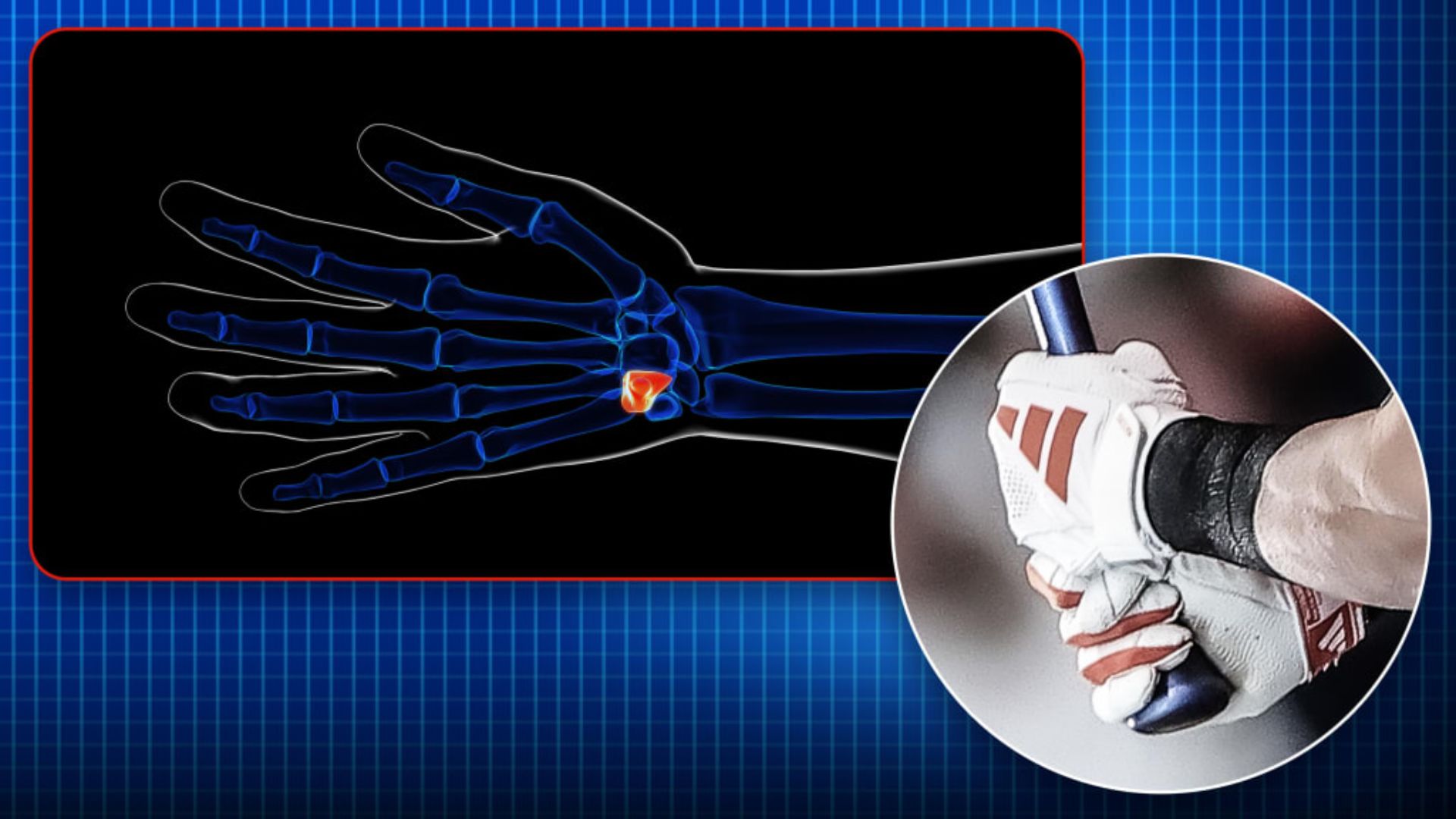
The hamate bone is one of the eight small bones in your wrist, playing a key role in hand movement and grip strength. Although tiny, it carries significant importance, especially for athletes, musicians, or anyone using their hands regularly. Understanding its structure, functions, and common injuries can help you maintain strong, healthy hands. In this guide, we’ll explore the hamate bone in detail, answer common questions, and provide practical tips for care and recovery.
Table of Profile: Hamate Bone
| Feature | Details |
|---|---|
| Name | Hamate Bone |
| Type | Carpal Bone |
| Location | Distal row of the wrist, on the ulnar side |
| Function | Supports hand movement, grip strength, and stability |
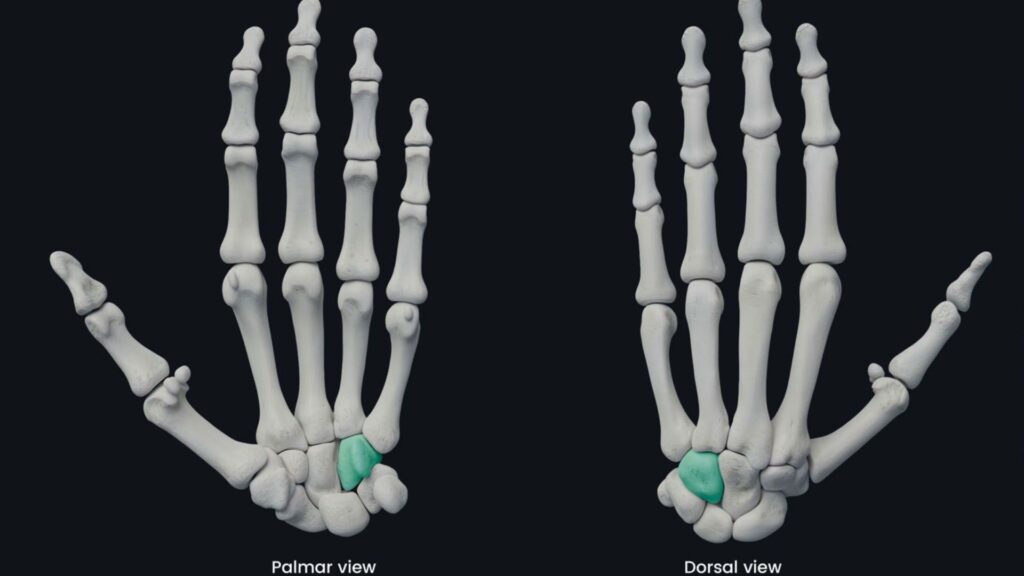
| Shape | Wedge-like with a hook (hamulus) |
| Common Injuries | Fractures, hook injuries, tendon irritation |
| Treatment Options | Rest, splinting, physical therapy, surgery if severe |
| Recovery Time | 4–12 weeks depending on severity |
| Important Note | Essential for precise hand movements and sports |
Table of Biography: Hamate Bone Insights
| Attribute | Description |
|---|---|
| Origin | Latin “hamatus,” meaning “hooked” |
| Size | Small, about 2–3 cm in adults |
| Interaction | Connects with fourth and fifth metacarpal bones |
| Clinical Significance | Susceptible to fractures in sports like golf, baseball, or tennis |
| Medical Imaging | X-rays, CT scans, and MRI used for diagnosis |
| Rehabilitation Tips | Hand strengthening exercises, ergonomic adjustments, gradual return to activity |
Anatomy of the Hamate Bone
The hamate bone is part of the distal row of carpal bones in the wrist. Its unique hook-shaped projection, called the hamulus, serves as a connection point for ligaments and tendons. This hook protects nerves that run into the hand, particularly the ulnar nerve. Despite its small size, the hamate is vital for proper grip strength and wrist flexibility.
Functions of the Hamate Bone
The hamate bone helps stabilize the wrist and allows for smooth hand movements. It supports the fourth and fifth fingers, enabling gripping and twisting actions. Without a healthy hamate bone, simple tasks like holding a cup, swinging a racket, or typing could become painful and difficult.
Common Hamate Bone Injuries
Hamate fractures are surprisingly common, especially in sports that involve swinging motions, such as baseball, golf, and tennis. The most frequent injury is a fracture of the hook. Symptoms often include wrist pain, swelling, bruising, and weakness in the hand. Delayed treatment can lead to chronic pain or nerve complications.
Causes and Risk Factors
Injuries to the hamate bone often result from:
- Direct trauma to the wrist
- Repetitive stress, such as in sports or typing
- Falls or accidents that impact the palm or wrist
People involved in athletics or manual work are at a higher risk. Older adults may also experience fractures due to weaker bones.
Symptoms of Hamate Bone Injuries
Common signs include:
- Sharp pain in the ulnar side of the wrist
- Swelling and tenderness
- Weak grip or difficulty holding objects
- Numbness or tingling in the ring and little fingers
If these symptoms persist, medical evaluation is essential.
Diagnosis and Imaging
Doctors usually diagnose hamate injuries through physical examination and imaging:
- X-rays may reveal obvious fractures
- CT scans provide a detailed view of complex injuries
- MRI scans detect soft tissue and tendon involvement
Prompt diagnosis ensures effective treatment and reduces the risk of long-term complications.
Treatment Options
Treatment depends on injury severity:
- Rest and immobilization: Splints or casts protect the wrist.
- Physical therapy: Strengthening and flexibility exercises support recovery.
- Medication: Pain relief and anti-inflammatory drugs reduce discomfort.
- Surgery: In severe fractures, the hook may require fixation or removal.
Recovery and Rehabilitation
Recovery typically ranges from 4 to 12 weeks. Hand therapy exercises help regain grip strength and wrist mobility. Gradual return to sports or heavy tasks prevents reinjury. Personal tips include avoiding high-stress activities until full healing is confirmed by a physician.
Preventing Hamate Bone Injuries
Preventive measures include:
- Wearing protective gloves during sports
- Strengthening hand and wrist muscles
- Avoiding repetitive stress without proper rest
- Maintaining overall bone health through diet and exercise
Real-Life Examples
Professional golfers and baseball players often suffer hamate fractures due to repeated swinging. Quick diagnosis and therapy allowed them to return to peak performance, emphasizing the importance of early care and hand strengthening.
Exercises for Hamate Bone Health
Gentle exercises can reduce injury risk:
- Wrist flexion and extension stretches
- Grip strengthening with stress balls
- Finger and thumb opposition exercises
These improve flexibility, coordination, and grip strength.
When to See a Doctor
Seek professional care if:
- Pain persists beyond a few days
- Swelling or bruising worsens
- You experience numbness or weakness
Early treatment prevents long-term damage and ensures full recovery.
FAQs About Hamate Bone
What is the hamate bone?
The hamate bone is a small wrist bone with a hook-shaped projection that supports hand movement.
How do you know if your hamate bone is fractured?
Pain, swelling, weak grip, and tingling in the fingers are common signs.
How long does it take to heal a hamate fracture?
Recovery usually ranges from 4 to 12 weeks, depending on severity and treatment.
Can hamate bone injuries be prevented?
Yes. Strengthening exercises, protective gear, and avoiding repetitive stress help reduce risk.
Is surgery always necessary?
No. Only severe fractures or displaced hooks typically require surgical intervention.
Can a hamate bone injury affect sports performance?
Yes. Grip strength and wrist stability may be compromised without proper care.
Conclusion
The hamate bone may be small, but its impact on hand function is enormous. Understanding its anatomy, injuries, and care can prevent pain and improve performance in daily life and sports. By following proper preventive measures, seeking timely treatment, and performing rehabilitation exercises, you can maintain strong, healthy hands for years to come.





Leave a Reply