

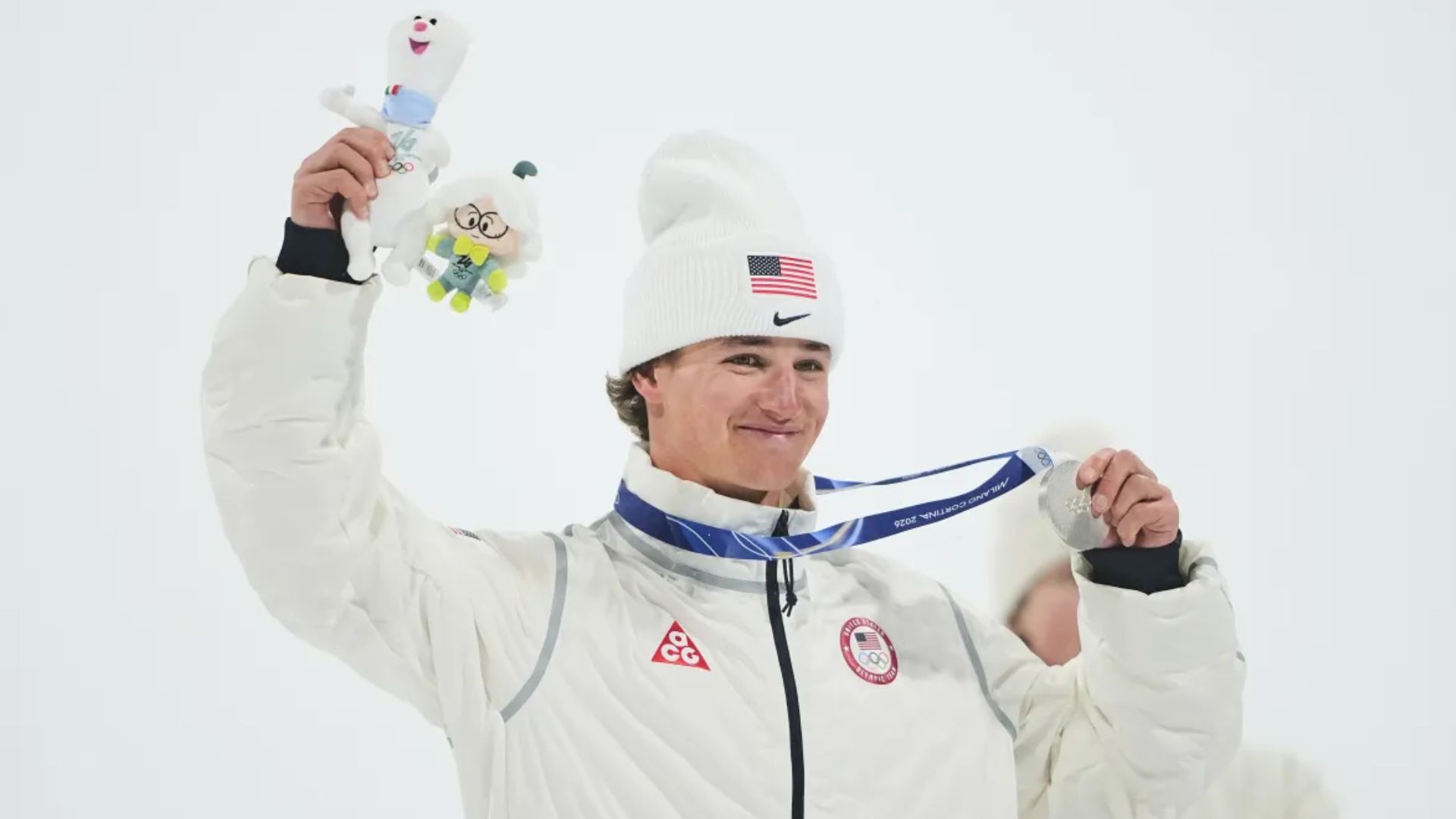
Mac Forehand is one of the most exciting American freeskiers right now. If you have seen Big Air or Slopestyle clips lately, you may have seen his clean landings and fearless spins. He has a style that looks smooth, but also powerful. He is not just “good for his age.” He has already proven he can win on the biggest stages.
In 2026, Mac Forehand reached a new level of fame after winning an Olympic silver medal in men’s freeski Big Air at the Milan Cortina Winter Olympics. That moment pushed his name into the mainstream, not just among ski fans.
This guide is a complete, easy-to-read biography. You’ll learn who he is, where he is from, how he trained, and what makes him special. You’ll also get a quick profile table, a deeper biography table, and answers to common questions.
Quick Profile Table (Fast Facts)
| Detail | Info |
|---|---|
| Full Name | McHenry “Mac” Forehand |
| Nationality | United States |
| Sport | Freestyle Skiing (Freeski) |
| Main Events | Big Air, Slopestyle |
| Date of Birth | August 4, 2001 |
| Hometown / Base | Winhall, Vermont (also tied to Connecticut) |
| Team | U.S. Ski & Snowboard |
| School / Program | Stratton Mountain School |
| Major Olympic Result | Silver (Big Air, 2026) |
Detailed Biography Table
| Category | Details |
|---|---|
| Known For | Olympic silver medal in men’s Big Air (2026) and elite results in Big Air + Slopestyle |
| Competitive Style | Technical spins, strong air awareness, calm under pressure (noted widely in major event coverage) |
| Development Path | Grew through Vermont freeski culture and a structured ski-school environment |
| Biggest Career Stage | Olympics, X Games, FIS World Cup events |
| Olympic Debut | 2022 Winter Olympics (Beijing) |
| 2026 Olympic Moment | Big Air final: silver medal, strong scores across runs |
| Why Fans Like Him | Mix of clean style + high difficulty + humble vibe in interviews and profiles |
What Makes Mac Forehand So Popular Right Now?
Mac Forehand has the kind of talent that shows up fast on camera. In freeski, style matters. Difficulty matters too. But the real magic is when both come together in one run. That is what he does well. He can throw big tricks, yet still look controlled.
Another reason people talk about Mac Forehand is timing. Freeski Big Air is growing fast in the U.S. It is easy to watch and easy to understand. You see the jump, you see the trick, and you feel the risk. When an athlete lands something huge, it becomes a moment that spreads online.
His Olympic silver in 2026 helped even more. Many casual viewers first learned his name during that final. It turned him from “a top skier” into “a national name.”
Early Life: Where Mac Forehand Comes From
Mac Forehand has strong roots in the Northeast. Reports and official athlete profiles tie him to Connecticut and Vermont. He was born in Connecticut, and later moved and trained in Vermont, a major hub for East Coast skiing.
That mix matters. Connecticut gave him his early start. Vermont gave him the daily ski life. Vermont towns and mountain programs can shape an athlete in a big way. The snow season is long, and local ski culture is strong. It’s the kind of place where “training” can feel like a normal part of life.
He also has a well-known link to Stratton Mountain School. This school is respected for building competitive skiers. It combines academics with high-level sport training. Being in that environment helps athletes grow faster because they are around other serious competitors every day.
Career Journey (From Teen Talent to World Stage)
1) The Rookie Breakthrough
Every sport has athletes who “arrive” early. Mac Forehand is one of them. As a young skier, he moved quickly from promising talent to serious contender. He didn’t just enter events to gain experience. He entered to win.
That early success is a sign of two things: skill and mindset. Skill helps you land what others cannot. Mindset helps you do it when it matters. Many athletes can land tricks in practice. Fewer can land them under pressure, on a big course, with judges watching.
People often ask how someone becomes elite so young. In freeski, it usually takes a strong training base, a safe environment to progress, and a team that supports growth without rushing it. His development path shows that kind of structure, especially through recognized ski programs.
2) Big Air vs Slopestyle (Simple Explanation)
If you’re new to freeski, here’s the easiest way to understand it:
Big Air is one huge jump. You get a single takeoff and one landing. The trick must be big, clean, and high-difficulty. It’s like a “home run swing” moment.
Slopestyle is a full run with many features. You hit rails and jumps in one flow. It rewards creativity and consistency.
Mac Forehand competes in both. That matters because many athletes lean heavily into one event. Doing both at an elite level shows a wide skill set. It means you can handle technical rails, high-speed jumps, and different judging needs.
This is part of why Mac Forehand stands out. He is not limited to one style. He can adapt, which is a huge advantage in modern freeski competitions.
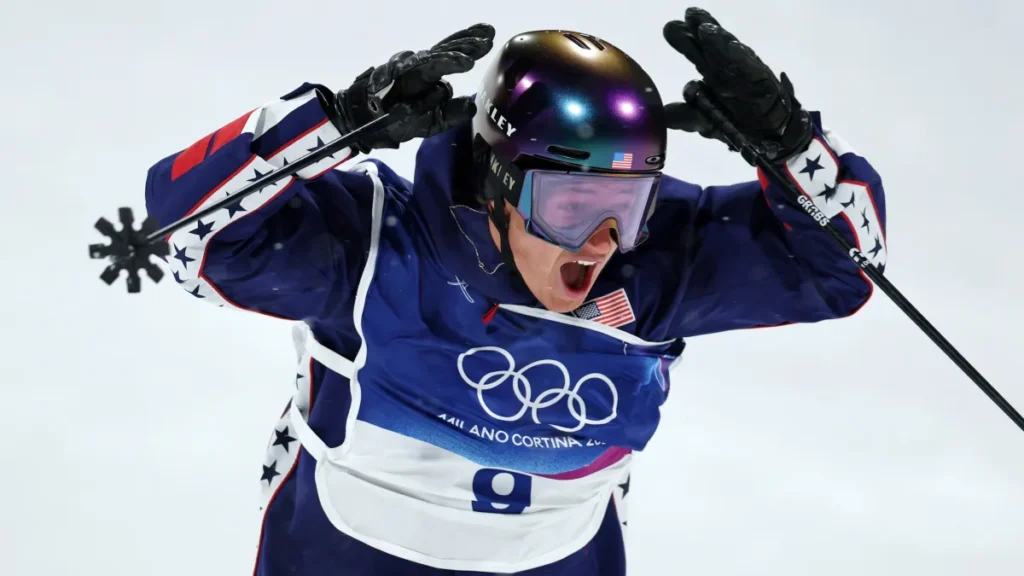
3) The FIS World Cup Level
FIS World Cup events are a big deal in skiing. They bring together the best athletes from many countries. You’re not just facing a few stars. You’re facing a full field of high-level riders.
Mac Forehand has been listed in official ski databases as an active athlete with a full profile and FIS code. That matters because FIS records are a strong source for competition-level facts.
At this level, small mistakes cost a lot. A slightly off-axis spin can ruin a landing. A small hand drag can drop your score. So when an athlete keeps earning podiums, it means their basics are strong, not just their “big trick.”
When fans say Mac Forehand is “consistent,” this is what they mean. He can show up, hit his line, and land when it counts.
4) X Games and Big-Moment Pressure
The Winter X Games are famous for pushing action sports forward. They reward big tricks and fearless progression. Many Olympic viewers don’t realize this, but X Games can feel even more intense in some ways. The vibe is fast, loud, and full of risk.
Mac Forehand has been featured on major X Games athlete pages and coverage, including notes about his competition results and overall impact in the sport.
What makes the X Games important for a biography is simple: it tests your nerve. It’s a stage where athletes often try brand-new tricks. That pressure can break people. Or it can bring out their best.
Mac Forehand has shown he belongs in that environment. It helps explain why he later performed well in Olympic finals too.
The 2026 Olympics (The Moment That Changed Everything)
H3 5) Olympic Silver in Big Air
In the 2026 Winter Olympics, Mac Forehand won silver in men’s freeski Big Air. That single result changed how the public sees him. Before, many people knew him as a top freeski name. After, many more people knew him as an Olympic medalist.
Olympic finals are not just about tricks. They are about timing, nerves, and smart choices. If you play it too safe, you may miss the podium. If you go too big, you may crash. The best athletes pick the right level of risk at the right time.
Coverage of the Big Air event described strong scores and a tight battle at the top. That kind of close finish shows how high the level was.
This silver medal is now one of the biggest “headline facts” in any Mac Forehand biography.
6) Why That Medal Matters for U.S. Skiing
A medal can do more than boost one athlete. It can lift a whole sport in a country. In the U.S., action sports already have strong fan bases. But Olympic success brings new viewers, new youth athletes, and more mainstream respect.
Mac Forehand becoming an Olympic medalist helps U.S. freeski in three ways:
- It shows American athletes can lead in Big Air on the world stage.
- It inspires younger skiers who want to follow the same path.
- It attracts more attention to the sport, which can improve support and funding over time.
That is why this result will be talked about for years, even beyond just Mac Forehand fans.
Training, Skills, and What Makes Him Different
7) The “Clean Landing” Advantage
In judged sports, clean landings are everything. You can do a hard trick, but if you land messy, judges may cut your score. A clean landing shows control. It also shows that the trick was not luck.
Mac Forehand is often praised for runs that look smooth and confident. That doesn’t mean he never crashes. Every freeski athlete crashes. But high-level success usually comes from reducing mistakes, not from taking endless risks.
A helpful way to think about it is this: the best athletes do the same hard thing again and again. That repeatability is what earns podiums and medals.
So when you watch Mac Forehand, notice his body position on landings. Notice how quickly he rides away. Those small details often separate first place from tenth.
8) Progression Without Losing Style
Some athletes chase difficulty so hard that they lose style. Their tricks look forced. Their landings look stiff. Fans may respect the risk, but they don’t always love the look.
Mac Forehand often keeps a clean, controlled look even when pushing difficulty. That blend is rare. It helps him in judging and also in popularity. Fans share clips that look “beautiful,” not just crazy.
This matters for long-term success. Freeski trends change. Judging styles shift. What stays valuable is skill, control, and a strong base.
Many athlete profiles highlight his rise and his ability to perform in major events, which fits this idea of progression with control.
9) The Role of a Strong Ski Program
Training environment matters more than most people think. In freeski, athletes need safe progression. They need coaching, facilities, and time on snow. They also need to avoid burnout.
Mac Forehand is linked to Stratton Mountain School and the Stratton Mountain Freestyle system. That kind of program can support both performance and development.
It’s not just about learning tricks. It’s about building habits:
- Warm-ups that prevent injury
- Smart practice that avoids over-trying
- Video review that fixes small mistakes
- Mental skills to handle pressure
When an athlete rises fast and stays strong, it usually means their system is working. That’s a big part of the Mac Forehand story.
10) Mindset: Calm Under Pressure
The best athletes look calm when they should feel nervous. That calm is not fake. It’s trained. It comes from repeated competition, good preparation, and the ability to focus on the moment.
Mac Forehand has competed on stages like the Olympics and X Games. Those events can feel intense even for veterans. The crowd, cameras, and stakes create pressure.
A calm mindset helps in two ways. First, it improves performance. Second, it reduces bad decisions. In Big Air, one bad decision can lead to a hard crash. So staying calm is also a safety skill.
This is why many serious fans respect Mac Forehand. He doesn’t just throw tricks. He competes with control.
Legacy and What Comes Next
11) His Place in the New Generation of Freeski
Freeski is changing fast. Tricks that were rare five years ago are now common. The next generation keeps raising the bar. To stay on top, athletes must keep learning and adapting.
Mac Forehand already fits the profile of a long-term star:
- Strong results at major events
- Skill across Big Air and Slopestyle
- A training base that supports growth
- A major Olympic medal early in his career
That doesn’t guarantee future wins. No sport is guaranteed. But it does mean he has the tools to stay near the top if he stays healthy and motivated.
12) What Fans Should Watch For
If you want to follow Mac Forehand, here are the best things to watch:
- Big Air finals at major events: one moment can define a season.
- Slopestyle runs: they show creativity and full-course skill.
- Trick progression: new grabs, new rotations, cleaner landings.
- Consistency: how often he lands under pressure.
Fans also watch how athletes respond after big wins. Some relax. Others get even hungrier. The next chapter of Mac Forehand will be about staying sharp after Olympic success.
FAQs
Who is Mac Forehand?
Mac Forehand is an American freestyle skier who competes in Big Air and Slopestyle. He won an Olympic silver medal in men’s Big Air in 2026.
What is Mac Forehand famous for?
Mac Forehand is famous for high-level freeski results, including podiums at major events and his 2026 Olympic silver in Big Air.
Where is Mac Forehand from?
Mac Forehand has ties to Connecticut and Vermont. Athlete profiles list him with Vermont as a hometown base, and reporting highlights his Connecticut roots.
What events does Mac Forehand compete in?
Mac Forehand competes mainly in freeski Big Air and Slopestyle.
How old is Mac Forehand?
Mac Forehand was born on August 4, 2001. That makes him 24 years old in 2026.
Did Mac Forehand compete in the 2022 Olympics?
Yes. Records show Mac Forehand competed at the 2022 Winter Olympics and returned in 2026, where he earned silver in Big Air.
Conclusion
Mac Forehand is not a “viral moment” athlete. He is building a real career. He has the results, the skill, and the mindset that top freeskiers need. His Olympic silver medal in 2026 proved he can perform when the world is watching.
What makes his story easy to respect is how complete it is. He has strong roots in a real ski community. He developed through serious programs. He competes in both Big Air and Slopestyle. And he keeps pushing forward without losing control or style.
If you’re a new fan, this is a great time to follow him. If you’ve watched freeski for years, you already know why he matters. Either way, Mac Forehand looks ready for more big moments ahead.
you may also like to read about








Leave a Reply