

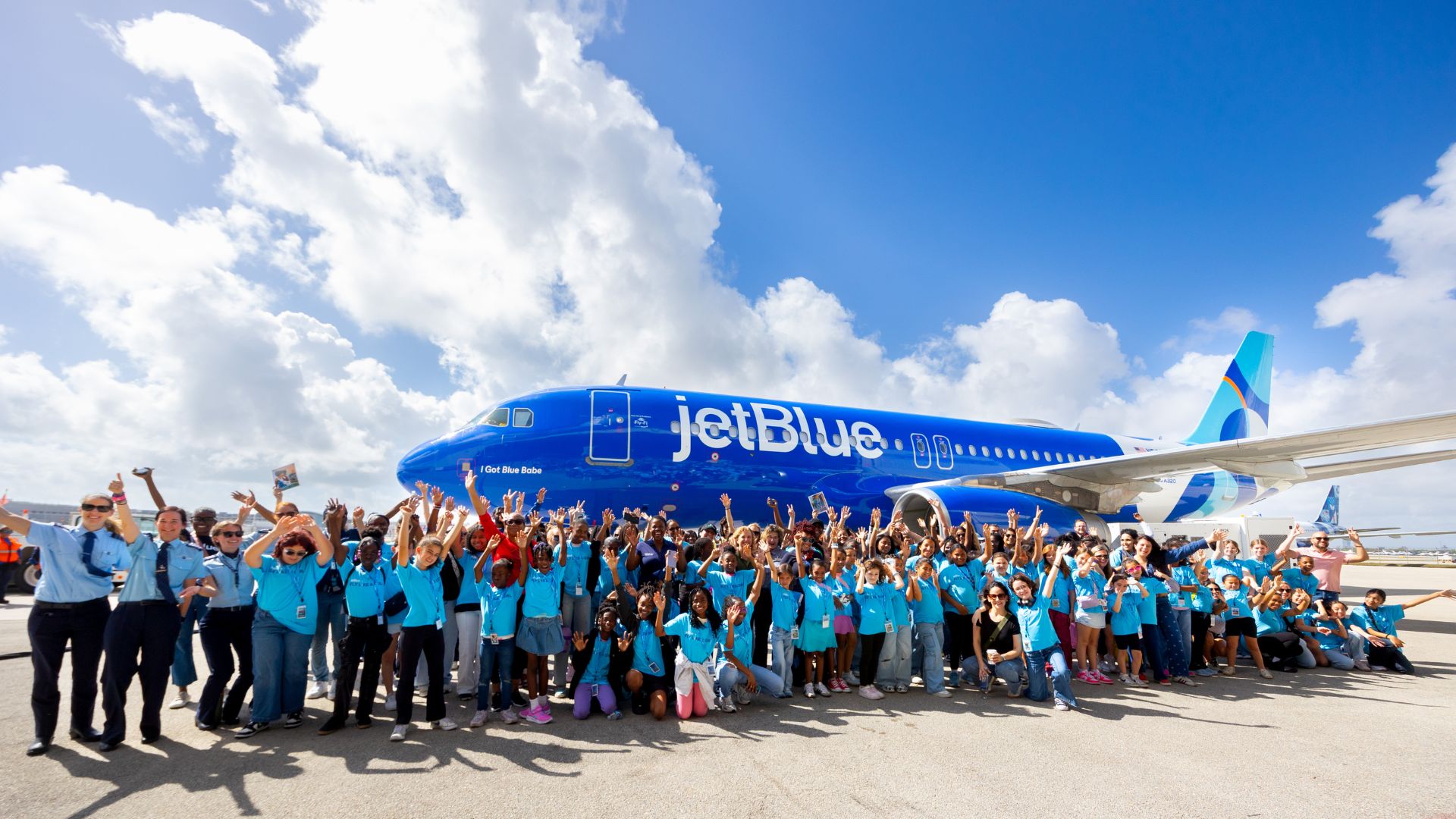
JetBlue is one of the most recognized airlines in the United States. Many travelers know it for fair fares, friendly service, seatback entertainment, and a travel style that feels more relaxed than many big carriers. It began at JFK in 2000 and has grown into a major airline serving more than 100 destinations across the United States, the Caribbean, Latin America, Canada, and Europe. JetBlue also says it serves around 40 million customers and operates roughly 1,000 daily flights, which shows how large its network has become.
For U.S. readers, JetBlue matters because it blends value and comfort in a way that stands out. It has strong positions in New York, Boston, Fort Lauderdale, Los Angeles, Orlando, and San Juan. That makes it especially important for East Coast travelers, vacation flyers, and families who want better comfort without paying traditional premium-airline prices. Over time, JetBlue has also expanded its loyalty program, premium products, and international reach. This guide explains what JetBlue is, why people choose it, how its travel experience works, and what you should know before booking your next trip.
JetBlue Profile at a Glance
| Profile Item | Details |
|---|---|
| Company Name | JetBlue Airways Corporation |
| Brand | JetBlue |
| Founded | 1998 |
| Began Service | 2000 |
| Headquarters | Long Island City, Queens, New York |
| Founder | David Neeleman |
| Current CEO | Joanna Geraghty |
| Airline Type | Low-cost U.S. airline |
| Loyalty Program | TrueBlue |
| Main Market Strength | U.S. East Coast, Caribbean, leisure and business travel |
| Destinations | More than 100 destinations |
| Daily Flights | About 1,000 |
| Customers | About 40 million |
The table above gives a quick look at JetBlue as a company. It started with a simple idea: make air travel more human. That idea still shows up in its branding and onboard style. The company’s official materials describe JetBlue as a global, award-winning travel company born at JFK in 2000. Public company and airline profile sources also identify David Neeleman as founder and Joanna Geraghty as CEO.
JetBlue Company Biography and History
The JetBlue story began in 1998, and commercial service started in 2000. From the start, the airline tried to stand apart from older U.S. airlines. It focused on lower fares, a more modern brand image, and extra comfort that passengers could actually notice. That meant things like more legroom than many rivals, live TV, and a more customer-friendly feel. JetBlue’s mission to bring “humanity back to air travel” became a major part of its identity and still appears in company messaging today.
Over the years, JetBlue grew from a New York-focused carrier into a major national and international airline. It built strong positions in Boston and Florida and expanded into the Caribbean and Europe. That growth helped JetBlue become more than a budget airline. It turned into a recognizable travel brand with premium offerings, a strong loyalty program, and a distinct customer base. One reason JetBlue still gets attention is that it keeps trying to mix lower fares with a better onboard experience, which many travelers see as a rare balance in today’s airline market.
Why JetBlue Is Popular in the USA
JetBlue is popular in the USA because it speaks directly to what many travelers want. People want a fair ticket price, but they also want comfort, simple booking, and fewer travel headaches. JetBlue has built much of its reputation on that sweet spot. It is not just about getting from one city to another. It is about making the trip feel easier and more pleasant. Travelers often notice the brand’s cleaner design, tech-friendly experience, and strong airport presence in busy travel markets like New York and Boston.
Another reason JetBlue stays relevant is its network fit. Many U.S. families, students, remote workers, and vacation travelers fly routes where JetBlue is very strong. Florida service, Caribbean flights, and Northeast travel are especially important. JetBlue also appeals to travelers who want a step above the bare-bones feel of some low-cost carriers. In simple words, it gives many people a middle path: lower fares than legacy giants in many markets, but a better experience than the ultra-basic option. That balance is a big part of the JetBlue brand.
Where JetBlue Flies
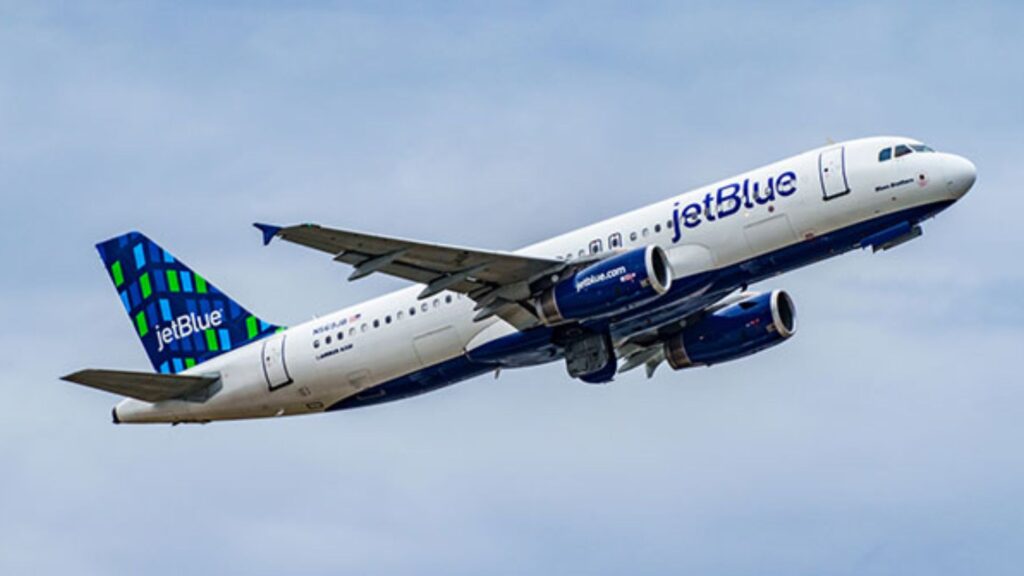
JetBlue flies to more than 100 destinations across the United States, Latin America, the Caribbean, Canada, and Europe. Its official materials highlight major strength in New York, Boston, Fort Lauderdale, Los Angeles, Orlando, and San Juan. That mix matters because it supports both everyday domestic travel and high-demand vacation routes. For many U.S. flyers, JetBlue becomes a go-to airline for trips to Florida, Puerto Rico, Aruba, Jamaica, and other warm-weather destinations.
The airline is especially strong in the Northeast. In a 2025 company release, JetBlue said it operates about 180 daily flights from JFK and 130 daily flights from Boston during the summer schedule, along with about 90 daily flights between the Northeast and the Caribbean. Those numbers help explain why so many U.S. travelers run into the JetBlue name when they search for flights from New York or Boston. Its network is built around real traveler demand, especially for leisure, visiting family, and short-to-medium haul trips where convenience matters a lot.
JetBlue Fleet and Aircraft Experience
JetBlue operates an all-Airbus mainline fleet, with public airline profiles listing aircraft such as the Airbus A220, A320, and A321 families. That matters more than it sounds. A more streamlined fleet can help with maintenance planning, crew training, and a more consistent cabin experience for customers. It also supports JetBlue’s long-term fleet modernization, which the company has discussed in investor updates. JetBlue has also been phasing out the Embraer 190 fleet as part of its simplification strategy.
From a traveler point of view, JetBlue aircraft are known for a cleaner and more modern feel than many people expect from a lower-cost airline. The A220 and newer Airbus aircraft support a fresher cabin experience, and JetBlue has continued investing in onboard comfort and connectivity. In 2025, the airline announced an agreement with Amazon’s Project Kuiper, called Amazon Leo in its release, to improve onboard Wi-Fi in the future, with rollout expected to begin in 2027. That shows JetBlue is still leaning into tech and customer comfort as key brand strengths.
JetBlue Seating, Comfort, and Inflight Perks
One of the biggest reasons people choose JetBlue is comfort. The airline has long marketed itself as a more comfortable option than many competitors. Travelers often connect the JetBlue name with free entertainment, in-seat screens on many aircraft, and a roomier feel. Official company materials continue to highlight onboard connectivity and entertainment as major features. These small details can make a large difference, especially on longer U.S. flights or routes to the Caribbean.
JetBlue has also added more upsell choices for travelers who want extra space or extra convenience. Its EvenMore product rolled out as a new premium experience, offering extra legroom and added benefits. The airline says customers booking direct can access full fare options, 2x TrueBlue points on eligible purchases, and easier seat selection. This is a smart move because many U.S. travelers do not want full business class, but they do want better seats. JetBlue sits in that space very well, giving people more choice without making the whole booking process feel confusing.
JetBlue Mint and Premium Travel
JetBlue Mint is one of the strongest parts of the brand. It gives JetBlue a premium edge that many low-cost airlines do not have. What makes Mint important is that it changes how travelers see the airline. It shows JetBlue is not only for budget flyers. It also competes for premium travelers on selected routes. Company materials note that TrueBlue points can even be used for Mint, and there are no blackout dates for award seats. That adds real value for loyal customers.
For many U.S. travelers, Mint is a more approachable premium option. It often appeals to people who want comfort on longer flights but still care about value. That could mean business travelers, couples on special trips, or people flying coast to coast who want extra rest and privacy. JetBlue has smartly used Mint to raise the airline’s image while still keeping its broader identity around accessible travel. That mix of approachable pricing and elevated service is a major reason the JetBlue brand still gets strong attention in a crowded airline market.
JetBlue TrueBlue Loyalty Program
The JetBlue loyalty program is called TrueBlue, and it is one of the airline’s biggest strengths. According to JetBlue, the program is free to join, points do not expire, points can be pooled with family and friends, and award travel has no blackout dates. These are strong benefits because they are easy to understand. Many airline programs feel complex or frustrating. TrueBlue feels more friendly and clear, which fits the JetBlue brand very well.
JetBlue has also expanded the value of TrueBlue through partnerships. In 2025, the airline announced a collaboration with United called Blue Sky, designed to connect loyalty benefits and improve customer value. JetBlue also added reciprocal earning and redemption benefits with carriers like TAP Air Portugal and Condor. For U.S. travelers, this matters because it gives points more flexibility and more reach. A loyalty program becomes much more useful when it is not trapped inside one route map. That is one reason TrueBlue has stayed competitive and attractive.
JetBlue Fares, Value, and Booking Tips
JetBlue often appeals to travelers who want better value, not just the lowest price. That is an important difference. The cheapest fare is not always the best deal once you add bags, seat choices, and comfort. Many people book JetBlue because the experience feels worth the price. In its own customer messaging, JetBlue pushes direct booking as the best way to access full fare options, sales, and support. For travelers, this can matter because direct booking often means clearer choices and fewer booking headaches later.
A smart way to book JetBlue is to compare the base fare with what you actually need. If you want extra room, faster boarding, or more flexibility, stepping up to a better fare may save stress. If you travel often, joining TrueBlue before booking can make even a one-time trip more useful. Also, families should pay attention to points pooling, which is one of the most practical features in the program. Instead of leaving small balances scattered across accounts, JetBlue lets travelers combine rewards in a way that feels simple and useful.
JetBlue Leadership and Business Direction
JetBlue is currently led by CEO Joanna Geraghty, who previously served as president and chief operating officer before becoming CEO in February 2024. Leadership matters because airline strategy shapes customer experience. Route decisions, fleet changes, technology investment, and loyalty partnerships all come from the top. Under current leadership, JetBlue has continued pushing its JetForward strategy, focused on improving performance, customer satisfaction, and profitability.
Recent company updates show that JetBlue is working on a mix of modernization and discipline. In 2025 results, the airline highlighted progress on JetForward, stronger customer satisfaction, fleet simplification, and new loyalty benefits. It also noted steps such as selling remaining Embraer E190 aircraft and moving toward future connectivity upgrades. For travelers, this suggests a company trying to sharpen its identity rather than drift. That is a good sign. Airlines that know what they want to be usually serve customers better than airlines that keep changing direction without a clear plan.
JetBlue’s Recent Growth and Brand Moves
JetBlue has stayed active with brand and network moves that keep it in the public eye. It has expanded loyalty partnerships, added new premium positioning with EvenMore, and continued strengthening its image in core U.S. markets. It also keeps leaning into the idea that flying should feel more personal and less cold. This matters because airline competition is not only about routes. It is about trust, ease, and how people feel when they travel. JetBlue’s branding has always understood that emotional side.
The company has also worked to improve operational reliability and customer satisfaction. In its 2025 results, JetBlue pointed to progress in those areas along with meaningful business improvements. That kind of progress may not sound exciting, but for travelers it is huge. Reliability is one of the biggest reasons people stay loyal to an airline. A smooth check-in, fewer disruptions, and clear customer communication matter just as much as a low fare. JetBlue’s recent business direction suggests it understands that better travel is what keeps customers coming back.
Is JetBlue a Good Airline for Families, Couples, and Solo Travelers?
JetBlue works well for several types of travelers. Families often like it because the airline feels easier and more flexible than some ultra-low-cost choices. The TrueBlue points pooling feature is especially useful for households. Couples may enjoy JetBlue for vacation routes, Caribbean flights, or Mint on special trips. Solo travelers often like the brand because booking is simple, the cabins feel modern, and the inflight experience is better than expected for the price.
In my view, JetBlue is strongest for people who want balance. It is a smart pick for travelers who care about comfort but still watch their budget. It is also a strong brand for East Coast departures and leisure travel. If your top priority is simply the absolute lowest fare, another carrier may look cheaper at first. But if you care about value in the full sense, including comfort and rewards, JetBlue often becomes the better overall choice. That is why the JetBlue name still carries strong appeal in the U.S. market.
JetBlue Quick Facts Table
| Category | JetBlue Facts |
|---|---|
| Best Known For | Value, comfort, entertainment, East Coast strength |
| Major Focus Cities | New York JFK, Boston, Fort Lauderdale, Orlando, Los Angeles, San Juan |
| Loyalty Strength | Points do not expire, pooling, no blackout dates |
| Premium Product | Mint |
| Extra-Legroom Option | EvenMore |
| Main Travel Appeal | Better comfort than many low-cost rivals |
| International Reach | Caribbean, Latin America, Canada, Europe |
| Brand Position | Low-cost airline with a more human feel |
This table sums up why JetBlue stands out. It is not trying to be everything to everyone. Instead, it focuses on a few strong promises and delivers them in a way many travelers understand right away. That clarity is one reason the brand has stayed memorable over time. A traveler may forget a cheap fare, but they remember an airline that felt easier, kinder, and more comfortable than expected. JetBlue has built a lot of its success on that feeling.
Final Thoughts on JetBlue
JetBlue has grown from a fresh New York startup into one of the most important airlines for U.S. travelers. It offers a strong mix of low fares, good comfort, useful rewards, and smart premium upgrades. Its reach across the Northeast, Florida, the Caribbean, and beyond makes it especially useful for American travelers who want both value and a better flight experience. Official company updates also show that JetBlue is still investing in loyalty, fleet modernization, and customer satisfaction, which keeps the brand moving forward.
If you are choosing your next airline, JetBlue is worth serious attention. It works well for everyday trips, family travel, and even premium bookings through Mint. Its TrueBlue program adds extra value, and its strong East Coast network makes it practical for many U.S. travelers. In simple terms, JetBlue remains a smart airline choice when you want more than a bare seat and a basic ride. It gives many travelers a better way to fly without making the whole journey feel overpriced or complicated.
FAQs About JetBlue
What is JetBlue known for?
JetBlue is known for combining lower fares with a better onboard experience. It is especially recognized for comfort, inflight entertainment, TrueBlue rewards, and strong service in New York, Boston, Florida, and Caribbean markets.
Is JetBlue a low-cost airline?
Yes. JetBlue is generally classified as a low-cost airline, but many travelers feel it offers a more comfortable and polished experience than basic low-cost competitors.
Does JetBlue fly internationally?
Yes. JetBlue flies beyond the United States to places in the Caribbean, Latin America, Canada, and Europe.
What is the JetBlue loyalty program called?
The JetBlue loyalty program is called TrueBlue. It offers points that do not expire, points pooling, and award travel with no blackout dates.
What is JetBlue Mint?
JetBlue Mint is the airline’s premium travel product. It is designed for travelers who want more comfort, better service, and a more elevated flying experience on select routes.
Is JetBlue good for U.S. travelers?
Yes. JetBlue is a strong option for U.S. travelers, especially those flying from the Northeast, heading to Florida, or taking leisure trips to the Caribbean and other popular destinations.
you may also like to read about




Leave a Reply