


Ireland at a Glance
| Detail | Information |
|---|---|
| Official Name | Ireland |
| Irish Name | Éire |
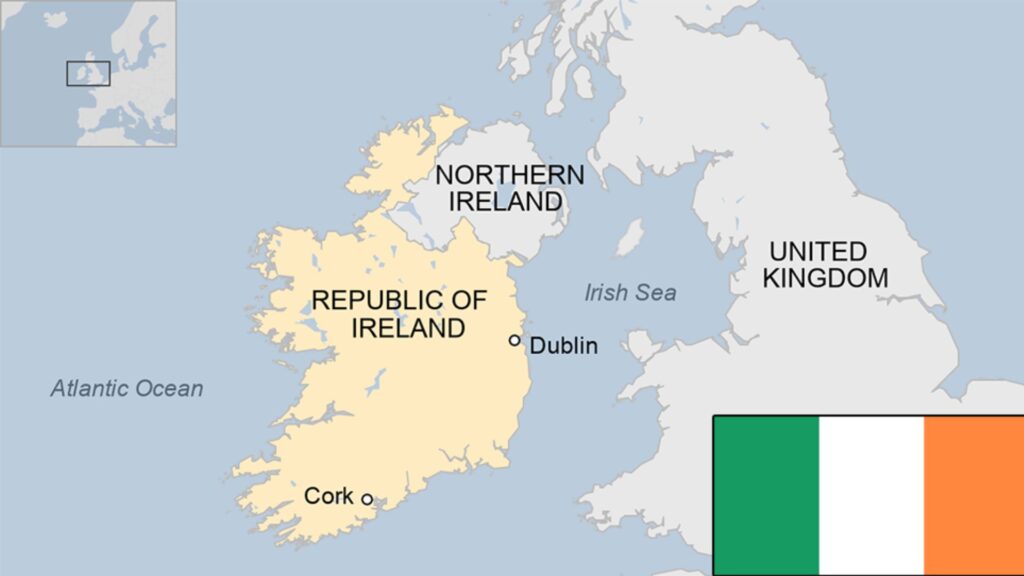
| Capital | Dublin |
| Region | Northwestern Europe |
| Island | The island of Ireland |
| Population | About 5 million in the Republic of Ireland |
| Official Languages | Irish and English |
| Currency | Euro (€) |
| Government Type | Parliamentary democracy |
| President | Head of state |
| Prime Minister | Taoiseach |
| Time Zone | Greenwich Mean Time / Irish Standard Time |
| Famous For | Green landscapes, castles, music, literature, and friendly people |
| Major Industries | Technology, agriculture, tourism, pharmaceuticals, finance |
| Best Known Cities | Dublin, Cork, Galway, Limerick, Kilkenny |
Ireland Profile Table
| Category | Profile |
|---|---|
| Geography | Rolling hills, rugged coastlines, rivers, lakes, and rich green countryside |
| Climate | Mild, cool, and often rainy |
| Culture | Warm, social, story-rich, family-centered, and proud of tradition |
| Food | Stew, soda bread, seafood, cheese, potatoes, and modern farm-to-table cooking |
| Tourism | Castles, cliffs, road trips, historic towns, and pub music |
| Education | Strong universities and a global reputation in research and literature |
| Sports | Gaelic football, hurling, rugby, soccer, horse racing, golf |
| Music and Arts | Folk music, dance, poetry, theater, and world-famous writers |
| Global Image | Welcoming, creative, resilient, and deeply rooted in heritage |
Introduction
Ireland has a special place in many hearts, especially in the United States. For some people, it is a family homeland. For others, it is a dream trip filled with green hills, stone castles, and cozy towns. Yet there is much more to this country than pretty views. Ireland is a place of strong history, rich culture, smart innovation, and proud community life. It mixes old traditions with modern energy in a way that feels both timeless and fresh.
For USA readers, Ireland is easy to connect with because of the deep bond between the two countries. Millions of Americans have Irish roots, and many visit to learn more about their family story. But even if you have no Irish background, this country still offers something memorable. It gives you music that moves you, people who welcome you, and places that stay in your mind long after you leave.
Where Ireland Is and Why Its Location Matters
Ireland sits in northwestern Europe, west of Great Britain, with the Atlantic Ocean shaping much of its weather, views, and daily life. This island setting gives the country dramatic cliffs, fresh sea air, and a sense of open space that many visitors love right away. The landscape feels peaceful, but it also feels alive. You can drive from a busy city to a quiet village in a short time, which makes travel easy and rewarding.
Its location also helped shape the story of Ireland over many centuries. The sea connected it to trade, migration, and culture, but it also gave the country a strong sense of identity. Today, that location helps Ireland serve as a bridge between North America and Europe. This is one reason it matters so much in business, technology, tourism, and education. It may look small on a map, but its influence reaches far beyond its size.
A Short History That Still Shapes Daily Life
The story of Ireland is long, emotional, and deeply important. Ancient Celtic roots still live on in language, music, symbols, and folklore. Early Christian centers helped preserve learning during difficult periods in Europe. Over time, invasions, colonization, political struggle, famine, and migration changed the country in painful ways. These events shaped not only the land but also the spirit of the people, who became known for resilience, humor, and deep emotional strength.
One of the most important chapters in Irish history was the Great Famine in the 1840s, which caused suffering, death, and mass migration. Many families left for the United States, Canada, and beyond. That is one reason so many Americans feel a strong bond with Ireland today. In the 20th century, the country moved toward independence and built its own modern identity. While history still matters, today’s Ireland is forward-looking, creative, and full of confidence.
Dublin: The Beating Heart of the Country
Dublin is the capital and largest city, and it gives visitors a strong first look at modern Irish life. It is full of energy, but it still feels walkable and human in scale. In one day, you can visit a historic church, browse a trendy bookshop, enjoy live music, and sit down for a relaxed meal. The city balances old and new very well, which is part of its charm. It feels lived-in, not staged.
For American visitors, Dublin often feels easy to enjoy. English is widely spoken, public life is active, and locals are often quick to help. The city is known for Trinity College, Dublin Castle, Temple Bar, and literary history linked to great writers like James Joyce and Oscar Wilde. Still, the best moments often come in simple ways, like hearing laughter in a pub, walking by the River Liffey, or finding a quiet street with colorful doors and local cafés.
The Beauty of the Irish Landscape
One reason Ireland leaves such a strong impression is its scenery. The land feels soft, open, and full of texture. You see green fields lined with stone walls, narrow roads winding through hills, and coastlines that look wild and grand. The Cliffs of Moher are among the most famous sights, but beauty is everywhere, even in small places that do not appear on postcards. Sometimes a quiet road or a village harbor becomes your favorite memory.
The weather adds to the mood. Rain comes often, but it also keeps the land bright and alive. Mist over the hills can make the countryside feel magical. Sunlight breaking through clouds can turn an ordinary field into something unforgettable. In Ireland, the natural world is not just background. It is part of everyday identity. People talk about the land with pride, and visitors often say the views feel both calming and powerful at the same time.
Irish People and the Power of Community
One of the strongest reasons people love Ireland is the warmth of its people. Visitors often say they feel welcomed, and that feeling matters. Good conversation is a big part of daily life. Humor, storytelling, and kindness are not just stereotypes. They are real social strengths that many people notice quickly. Even in cities, there is often a sense of connection that feels personal rather than distant. That can be refreshing for travelers.
Family, community, and local identity remain important in Ireland. People often feel proud of where they come from, whether it is a county, town, or neighborhood. That local pride helps keep traditions alive, from music sessions to sports clubs and festivals. For Americans, this can feel deeply relatable, especially in places where family roots and community values still matter. There is also a strong modern side to Irish society, with growing diversity, fresh ideas, and a more global outlook than many first-time visitors expect.
Culture, Music, and Storytelling Traditions
Culture in Ireland is not hidden in museums alone. It lives in daily life. You can hear it in the way people talk, joke, and tell stories. You can see it in festivals, local theater, and neighborhood music nights. Traditional Irish music remains one of the country’s greatest treasures. The sound of a fiddle, flute, or bodhrán can turn a normal evening into something special. Even people who know little about folk music often find it moving.
Storytelling also has deep roots here. This is a country that gave the world famous writers, poets, and playwrights, but the love of words goes far beyond literature. Many people in Ireland have a natural gift for sharing stories in a lively and memorable way. That talent may come from history, oral tradition, and a culture that values wit and feeling. For visitors, this means the country is not just something to see. It is also something to hear, feel, and remember.
Food in Ireland: Comfort, Freshness, and Surprise
Some Americans still think Irish food is simple and plain, but that old idea misses the full picture. Yes, traditional comfort foods remain popular, and many are delicious. Irish stew, brown bread, seafood chowder, shepherd’s pie, and soda bread are all loved for good reason. They feel warm, filling, and honest. But modern food in Ireland has grown far beyond the old stereotypes. Chefs now build menus around fresh local produce, artisan cheese, seafood, and high-quality meats.
Food quality is one of the most pleasant surprises for many visitors. Dairy products are often rich and flavorful. Butter tastes fresh and memorable. Coastal towns serve excellent fish and shellfish. Farmers markets and local bakeries add even more variety. In many parts of Ireland, the dining scene now feels confident, creative, and deeply connected to the land. For USA readers planning a trip, this means you can expect both classic comfort and exciting modern meals without losing the local character.
Famous Places to Visit Across the Country
There is no single way to explore Ireland because each region offers something distinct. Dublin is ideal for history, nightlife, museums, and books. Galway is known for arts, music, and a youthful spirit. Cork has charm, strong food culture, and easy access to beautiful southern scenery. Killarney and County Kerry offer some of the most famous road-trip views in the country. The Wild Atlantic Way, in particular, gives travelers a long coastal route packed with unforgettable stops.
Then there are the castles, abbeys, and old ruins that make the past feel close. Places like Kilkenny, Rock of Cashel, and Bunratty Castle help visitors connect with centuries of history. Many travelers also love smaller towns where life moves more slowly. In these places, Ireland feels intimate and real. You may not find huge crowds or flashy attractions, but you find something better: atmosphere, local pride, and the simple joy of being somewhere deeply rooted and genuinely welcoming.
Why Ireland Feels So Familiar to Americans
The bond between the United States and Ireland is strong and emotional. Millions of Americans have Irish ancestry, and family names, traditions, and stories still carry that link across generations. Cities like Boston, New York, and Chicago have long celebrated Irish heritage. That shared history makes travel feel meaningful for many people. Visiting the country can feel like stepping into a story you have heard your whole life, even if some details were lost over time.
Yet the connection goes beyond ancestry. Americans often find Ireland comfortable because of shared language, easy conversation, and common cultural touchpoints. There is also strong cooperation between the two countries in business, education, tourism, and diplomacy. This closeness helps make Ireland an appealing destination for American students, travelers, workers, and families. It feels both international and familiar. That balance is hard to find, and it is one reason so many USA visitors return more than once.
Education, Innovation, and Modern Success
While many people first think of tradition, modern Ireland is also known for education and innovation. Its universities attract students from around the world, and its workforce has helped build a strong reputation in areas like technology, science, finance, and medicine. Global companies have major operations there, which has helped shape a modern and confident economy. This side of the country surprises people who expect only castles, farms, and folk music.
The success of Ireland in recent decades comes from more than luck. It reflects investment in skills, international partnerships, and a willingness to adapt. Young people often combine respect for heritage with a very modern outlook. This mix of old roots and new ambition gives the country a special strength. For Americans looking at study abroad, career connections, or global business, Ireland stands out as a place that is smart, open, and well connected to the wider world.
Sports, Pride, and Everyday Passion
Sports are a big part of life in Ireland, and they show the country’s community spirit at its best. Gaelic football and hurling are especially important because they are deeply local and deeply loved. These games are fast, skillful, and exciting, and they connect towns and counties in a very personal way. Even people who are not big sports fans often enjoy the energy around them. The pride feels real because it comes from place, tradition, and belonging.
Rugby, soccer, horse racing, and golf also have strong followings. Big matches can bring people together in pubs, homes, and stadiums across the country. For American visitors, local sports offer a fresh window into Irish life. You see passion, loyalty, and shared identity in action. It is not just about winning. It is about representing your people and your place. That gives sports in Ireland a meaning that feels larger than the scoreboard.
Irish Weather, Seasons, and Best Times to Visit
The weather in Ireland can change fast, so visitors should come prepared for variety. Rain is common, and skies often shift from gray to bright in a short time. Still, the climate is usually mild rather than extreme. Winters are cool, and summers are pleasant. For many Americans, especially those from very hot or very cold states, this makes travel comfortable. Layers, a light rain jacket, and good walking shoes usually solve most problems.
Spring and early fall are often excellent times to visit because the scenery looks beautiful and crowds may be lighter than in peak summer. Summer brings longer days and lively festivals, which many travelers enjoy. Winter can feel quieter and moodier, but cities and towns still have charm, especially around holidays. No matter the season, Ireland rewards flexible travelers. Instead of fighting the weather, it helps to accept it as part of the experience. The shifting skies are part of the country’s magic.
Travel Tips for First-Time USA Visitors
For American travelers, planning a first trip to Ireland is usually quite simple. Flights are widely available from major US cities, and the country is friendly for English speakers. Renting a car can be a great choice if you want to explore the countryside, but roads in rural areas may be narrow. If driving feels stressful, trains and buses can still connect you to many popular places. Taking your time is often better than trying to see everything at once.
A helpful tip is to mix famous sights with smaller local experiences. See the major landmarks, but also leave room for a quiet village, a scenic walk, or a meal in a family-run place. That is often where the country feels most real. Americans should also remember that daily life may move a little slower in some areas, and that slower rhythm can be part of the joy. Ireland is best enjoyed when you stop rushing and let the place open up naturally.
Why Ireland Leaves a Lasting Impression
Many countries are beautiful. Many are historic. Many are friendly. What makes Ireland stand out is the way these qualities come together so naturally. The country offers scenery, but also soul. It offers history, but also humor. It offers tradition, but also modern confidence. You do not just visit and move on. You carry it with you. A song, a roadside view, or a simple conversation can stay in your memory for years.
That lasting impact often comes from the emotional tone of the place. Ireland can feel gentle one moment and powerful the next. It invites curiosity but also comfort. For some Americans, it becomes a place to reconnect with family roots. For others, it becomes a new favorite destination that feels strangely familiar from the start. Either way, the experience often feels personal. That is why so many people do not just admire Ireland. They form a real bond with it.
Conclusion
Ireland is much more than a famous travel destination. It is a country of deep memory, strong character, beautiful landscapes, and warm human connection. It speaks to Americans in many ways, through ancestry, history, language, culture, and shared ties that still matter today. From Dublin’s energy to the peace of the countryside, from old ruins to modern innovation, there is always something meaningful to discover.
If you have ever thought about visiting, learning more, or tracing your roots, this is a country worth your time and attention. Ireland offers beauty, but it also offers depth. It welcomes curiosity and rewards it with real experiences. Whether you come for a week or simply start by reading more, you may find that this remarkable place gives you more than facts and views. It gives you a feeling that stays with you.
FAQs
What is Ireland best known for?
Ireland is best known for its green landscapes, friendly people, rich history, traditional music, castles, and literary heritage. It is also famous for lively cities, coastal drives, and a culture that values storytelling and community. Many Americans also connect it with family roots and Irish heritage.
Is Ireland a good place for American tourists?
Yes, Ireland is a very good destination for American tourists. English is widely spoken, travel is straightforward, and locals are often welcoming. The country is easy to enjoy for first-time international travelers because it feels accessible, safe, and full of variety.
What is the best time to visit Ireland?
Spring, summer, and early fall are all great times to visit. Summer offers long days and busy festival season. Spring and early fall often bring fewer crowds and pleasant weather. Rain can happen at any time, so packing layers is always a smart idea.
How many days do you need to explore Ireland?
A week is enough for a strong first trip, especially if you focus on Dublin and one or two regions. Ten to fourteen days gives you more time to explore the countryside, coastal routes, and smaller towns. Slower travel often leads to a better experience.
Is Ireland expensive for travelers from the USA?
Ireland can be moderate to expensive, depending on your travel style. Dublin is usually pricier than smaller towns. Costs for hotels, dining, and car rentals can add up, but many travelers find the quality, scenery, and experience worth the price. Planning ahead can help lower costs.
Why do so many Americans feel connected to Ireland?
Many Americans have Irish ancestry because of historic migration, especially during and after the Great Famine. Others feel connected through music, literature, culture, and shared language. The long bond between the United States and Ireland makes that connection feel strong and natural.
you may also like to read about












Leave a Reply