

The zendaya theory sounds like a secret with a serious answer. That confusion is part of the joke. The trend turns an old Zendaya photo into fake internet horror. It uses strange music, blurry images, and dramatic claims. Yet there is no proven secret behind the hat. The story began with a large black hat from 2014. TikTok users later built a false mystery around it. They added Tom Holland, odd math, edited clips, and hidden “clues.” The result felt creepy, funny, and impossible to explain. That mix made people share it even faster. This guide explains the meme in plain words. It also separates real events from made-up lore. You will learn where it started, why it spread, and why people still enjoy it. Most importantly, you will understand the main joke. The joke is that everyone acts informed, while nobody has real answers.
What Is the Zendaya Theory?
The zendaya theory is a parody conspiracy meme. It centers on Zendaya wearing a huge black hat. The picture came from a Teen Vogue event in 2014. Years later, creators treated the photo like scary evidence. They acted as if the hat hid a dark truth. However, the claims were designed to stay unclear. That missing answer was not a mistake. It was the main comedy tool. People posted warnings, fake reports, and strange connections. Other users replied as if the mystery was obvious. New viewers felt left out and searched for answers. Those searches helped the trend grow. In simple terms, it is a group joke about online theories. It copies their dramatic style without giving real proof. The meme works because it looks serious for a few seconds. Then its claims become too silly to believe. That sudden shift creates the humor.
The Real Photo Behind the Big Hat Meme
The real image shows Zendaya at the Teen Vogue Young Hollywood Party. The event took place in September 2014. She wore a fitted black outfit and an oversized Emporio Armani hat. The hat had a tall crown and a wide shape. It stood out in every photo. People joked about its size even then. That reaction gave the image a long life online. Nothing harmful or secret happened at the event. It was simply a bold fashion moment. The later story came from internet creators, not from the original night. This point matters because many videos blur fact and fiction. A viewer may think the image came from a strange event. It did not. The zendaya theory took a normal red-carpet photo and changed its meaning. That change shows how memes can reshape old media. One image can become a joke, a symbol, or a fake mystery years later.
How the TikTok Trend Started in 2025
The modern trend began in early May 2025. A TikTok creator posted an eerie video about the old hat. The account used blurry pictures and a dramatic voice. It also included an edited Zendaya interview clip. The video suggested a hidden incident without explaining anything. More posts followed within days. Some mentioned Tom Holland. Others used fake reports and strange warnings. The phrase “don’t forget to smile” also became part of the lore. Each video added more confusion instead of answers. That design invited viewers to join the game. People made their own clips and comments. They pretended to know facts that did not exist. Soon, the zendaya theory became larger than one account. It turned into a shared story with no fixed rules. This open structure made copying easy. Anyone could add a clue, joke, or wild claim.
Why the Meme Feels Creepy at First
The meme copies the language of online horror. Many clips use slow music and dark filters. Some show low-quality pictures or sudden cuts. Others use robot voices and serious captions. These choices make normal images feel unsafe. The human brain looks for patterns during uncertain moments. So, viewers start asking what they missed. The creators then refuse to give a clear answer. That silence makes the fake mystery feel bigger. The zendaya theory also uses familiar people. Zendaya and Tom Holland are widely known public figures. Their faces make the clips easy to notice. Yet the story places them inside strange fictional lore. That contrast can feel funny and unsettling together. The effect is similar to parody creepypasta. It borrows horror tools but uses them for a joke. Once viewers understand that method, the fear usually fades. They can then see the careful absurdity behind each post.
Why Nobody Can Give One Clear Explanation
Many people search for one official answer. That search often leads to more confusion. The reason is simple. There is no complete story to solve. Different creators added different claims. Some said Tom Holland was under the hat. Others used fake word puzzles. A few connected the image to horror characters. None of these claims form one stable plot. The zendaya theory stays funny by avoiding a final answer. Giving it a clear ending would weaken the joke. The community instead rewards confident nonsense. A person may post a random number pattern. Another person will call it “proof.” A third person will warn others to stop asking. This creates the feeling of a secret club. New viewers keep watching because they want entry. However, the club has no true secret. The confusion itself is the shared experience. That is the clearest explanation available.
The Tom Holland Under the Hat Joke
One popular branch claims Tom Holland lives under Zendaya’s hat. This idea is not serious. It grew from the meme’s love for impossible claims. Creators used fake reports and edited pictures. They also built silly word games around his name. The joke became easy to repeat because fans know the couple. It also gave the mystery a simple visual image. People could imagine a tiny Tom hiding beneath the brim. That picture is strange enough to spread quickly. Some viewers treated it like the main answer. Yet the original trend never offered one fixed answer. The Tom Holland claim became one piece of shared lore. In 2026, Zendaya and Holland even joked about the idea during an interview. Their response showed that they understood the meme. It also confirmed the playful tone around it. The zendaya theory was never real evidence about their private lives.
What “Don’t Forget to Smile” Means
The phrase came from an older Zendaya video. A creator placed it beside eerie music and strange images. That edit changed the mood of a harmless message. Instead of sounding cheerful, it sounded like a warning. Other users repeated the phrase in comments. They wrote it under unrelated videos and photos. This helped the meme escape its first posts. The phrase became a sign for people inside the joke. It did not reveal a real secret. It worked more like a password. Seeing it told viewers that the creator knew the trend. The zendaya theory often uses this trick. It takes a normal detail and removes its original setting. Then it gives the detail a darker meaning. This process is common in internet horror. Music, editing, and captions can change how viewers feel. The facts stay the same, but the mood becomes different.
How the 2025 Met Gala Revived the Joke
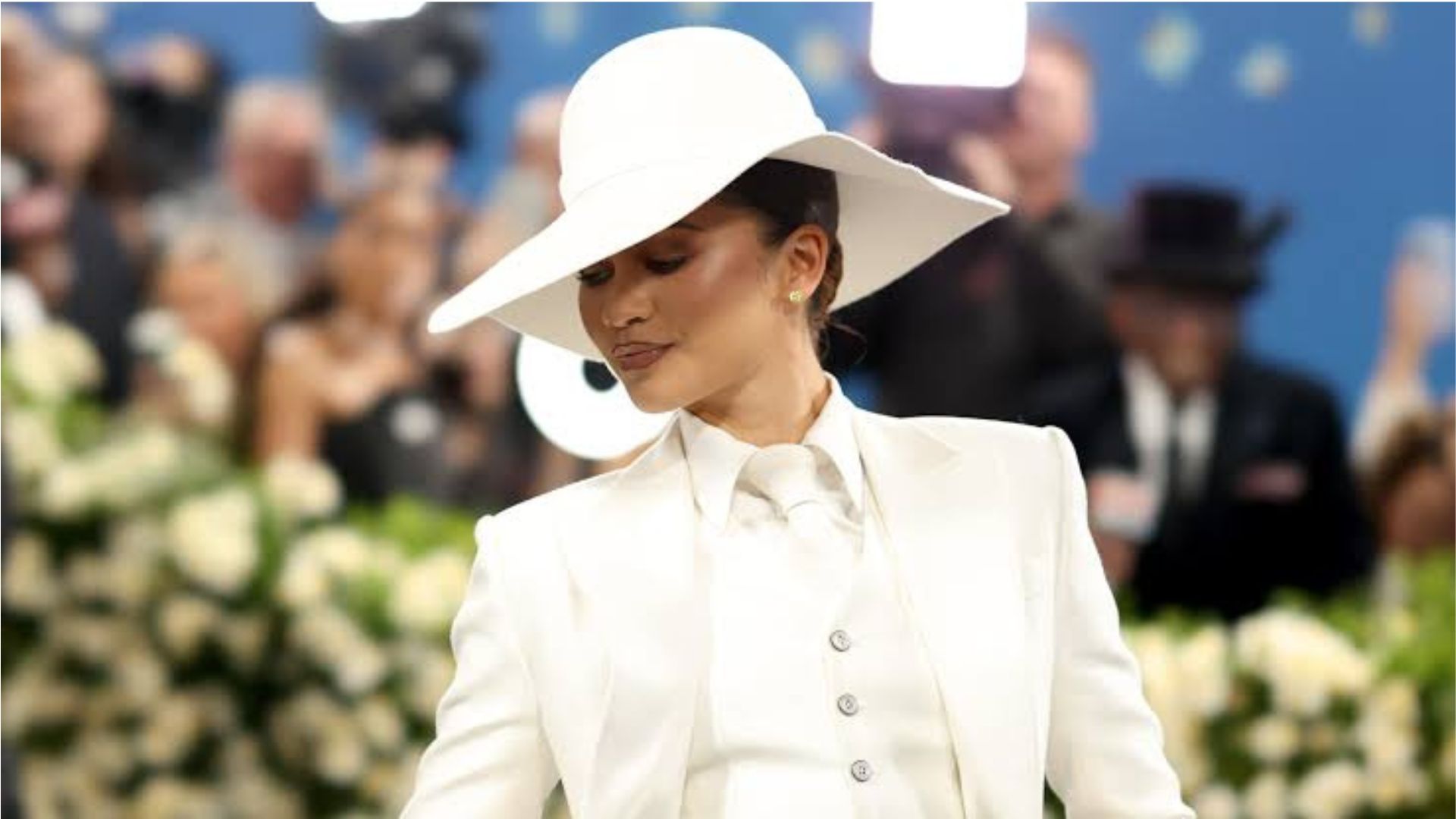
Zendaya wore another large hat at the 2025 Met Gala. This time, the hat was white. It matched a custom white Louis Vuitton suit. The look had a clear fashion purpose. Still, meme fans saw perfect new material. They treated the second hat like fresh evidence. Some said the old mystery had returned. Others claimed the new color changed the hidden meaning. These posts pushed the trend toward a larger audience. The timing also helped. The Met Gala already creates heavy online discussion. Photos move quickly across social platforms. One striking image can produce thousands of jokes. The zendaya theory gained a second life because the new look matched the old theme. That link felt almost planned, even though it was not proof. The moment shows how real events can feed fictional internet lore. A single fashion choice can restart a meme within minutes.
Why TikTok Users Found It So Funny
The humor comes from shared pretending. Everyone acts like the story is serious. They use confident words and urgent warnings. Yet their evidence makes no sense. This style rewards viewers who notice the gap. People laugh because the videos copy bad conspiracy content. They also laugh at confused comments. Each confused viewer becomes part of the performance. The meme creates two groups at once. One group pretends to understand everything. The other group honestly wants an answer. That tension keeps comment sections active. The meme is also easy to build upon. Creators do not need special tools. They only need an image, music, and a strange claim. This low barrier creates many versions. Some are clever, while others are intentionally weak. Even poor logic can improve the joke. In this meme, nonsense is not a flaw. Nonsense is the main feature.
The Role of Fake Evidence and Bad Math
Many posts use fake evidence to sound convincing. A creator may count letters in a name. Another may connect random dates or colors. Some claims use misspelled words as hidden signs. Others turn normal photos into secret maps. These methods copy weak online conspiracy arguments. They start with a conclusion, then search for support. Real investigation works in the opposite direction. It begins with evidence and tests possible answers. This hat meme makes that bad method easy to see. Its math is often so poor that viewers laugh immediately. For example, a creator may add unrelated numbers. Then the final number becomes “proof” about the hat. The logic fails, but the serious tone remains. That gap is funny. It also offers a useful media lesson. A confident voice does not make a claim true. Strong evidence must be clear, relevant, and open to checking.
Is the Zendaya Theory Real?
No reliable evidence supports a hidden event behind the hat. The original picture came from a public fashion event. The later claims came from satire and group storytelling. Major explainers describe the trend as vague and absurd. They also note that no single theory exists. This does not mean every viewer understood the joke. Some people may have believed parts of it. Social media often removes useful context. A short clip can reach someone without earlier posts. That viewer may see only dark music and warning text. The safest approach is simple. Check the source before sharing a strange claim. Look for full videos, dates, and trusted reporting. This trend is entertainment, not a factual case. Treating it that way protects both accuracy and common sense. It also lets the joke stay funny without spreading false claims about real people.
What Zendaya and Tom Holland Said About It
The pair addressed the meme in a 2026 interview. Zendaya reacted as if the joke would not disappear. Holland called the trend strange and joined the playful exchange. Zendaya then joked that she had let him out of the hat. Their response did not support any hidden claim. It did the opposite. They treated the idea as absurd internet humor. This moment gave fans a new part of the story. It also showed how public figures sometimes handle harmless memes. A serious denial could make a silly trend feel larger. A light response can remove that power. The hat joke survived because the pair played along. However, their joke should not be twisted into proof. Public humor is not an admission. It is simply humor. Readers should keep that line clear when discussing celebrity trends.
What This Trend Teaches About Internet Culture
This meme shows how online communities build stories together. One creator starts with a simple idea. Other users copy the style and add details. Soon, no person controls the full story. That process is called participatory culture. People do not only watch content. They remake it, comment on it, and change its meaning. This trend also shows the value of mystery. Clear jokes can become old quickly. An unfinished joke gives people room to join. Each new post offers another possible path. The trend also depends on speed. Platforms reward content that creates strong reactions. Confusion, fear, and laughter can all drive comments. Creators learn this pattern and repeat it. The result may look random, but it follows clear social rules. Attention grows when people feel they are missing something. That lesson matters far beyond celebrity memes.
How to Spot Similar Parody Conspiracy Memes
Start by checking whether the claim offers clear evidence. Parody videos often avoid direct facts. They use phrases like “you know what happened.” They may tell viewers not to search further. They may also show unrelated clips without dates. Watch for dramatic music doing most of the work. Check whether the source links to trusted reporting. Look for jokes hidden inside fake documents or math. Most importantly, ask what would prove the claim wrong. A serious theory should allow testing. A parody theory often changes whenever someone questions it. The hat meme follows that flexible pattern. Its story grows around every challenge. That makes it entertaining but impossible to verify. Media awareness does not require expert skills. Slow down, open the full source, and compare reports. These steps can separate a joke from a real claim. They can also stop false stories from harming real people.
Why the Meme Lasted Longer Than Expected
Many trends disappear after several days. This one gained extra life from several strong features. First, the image was simple and memorable. Second, the joke had no fixed ending. Third, major public events created fresh material. The 2025 Met Gala added another hat. Later interviews added celebrity reactions. Each moment reopened the story. The meme also had a flexible tone. It could appear as horror, comedy, fashion talk, or fan content. That range helped it reach different groups. The trend became a template rather than one video. Templates survive because people can reuse them. However, long life does not mean deep meaning. Sometimes a meme lasts because it is easy to repeat. Its success says more about online behavior than Zendaya. The hat became a blank space. Users filled that space with whatever joke they wanted.
A Simple Timeline of the Hat Meme
The timeline begins in 2014. Zendaya wore the large black hat at a Teen Vogue event. The image became a small fashion meme. In 2020, an edited interview clip also spread online. Early May 2025 brought the main TikTok wave. Creators joined the hat image with eerie edits. They added fake lore, Tom Holland jokes, and warnings. On May 5, 2025, Zendaya wore a white hat at the Met Gala. That appearance gave the meme fresh attention. News sites then published explainers for confused readers. During June 2026, Zendaya and Holland discussed the joke in an interview. They responded with humor and added another memorable line. The hat story therefore grew across several separate moments. It was not born from one complete story. It formed through reuse, editing, and public reaction.
Frequently Asked Questions
What Does the Zendaya Theory Actually Mean?
The zendaya theory does not have one hidden meaning. It is a parody of online conspiracy videos. Creators pretend that Zendaya’s large hat hides a secret. They then use weak clues and dramatic editing. The missing answer is part of the joke. Viewers are supposed to feel confused at first. People inside the trend often act like they know everything. They may post warnings or fake evidence. However, no trusted source has shown a real mystery. The clearest meaning is cultural, not secret. The meme makes fun of how online theories spread. It shows how serious music and confident words can shape feelings. It also shows how people enjoy shared fictional lore. Understanding that structure makes the trend much easier to follow.
Where Did the Zendaya Hat Photo Come From?
The famous black hat photo came from the Teen Vogue Young Hollywood Party. Zendaya attended the event in September 2014. She wore a black Emporio Armani outfit with a huge matching hat. The tall shape made the look easy to remember. Photos from the event spread online and inspired jokes. Years later, TikTok creators reused those images. They removed the normal fashion context and added horror-style editing. That choice made the old photo feel mysterious. The image itself does not show a secret event. It shows a public red-carpet appearance. Knowing the real source helps readers avoid false claims. It also makes the meme more interesting. A normal fashion picture became internet folklore more than ten years later.
Is Tom Holland Really Under Zendaya’s Hat?
No. The claim is an absurd joke within the meme. Creators used Tom Holland because fans connect him with Zendaya. His presence made the fictional story easier to share. Some posts used fake reports or silly number patterns. Others edited images to support the joke. None of this is real evidence. Zendaya and Holland later joked about the claim themselves. Their playful response kept the meme alive. It did not make the claim true. Readers should avoid treating comedy as a factual statement. Celebrity memes often mix public facts with invented stories. That mix can confuse viewers who see only one clip. In this case, the answer is clear. Nobody has shown proof that Holland was hiding under any hat.
Is the Trend Harmful or Just Harmless Fun?
Most versions are harmless parody. They use silly claims that many viewers understand as jokes. Still, problems can appear when context disappears. A person may see one edited clip and believe it. Repeated false claims can also affect real people. Creators should avoid presenting harmful rumors as facts. Viewers should check sources before sharing dramatic content. The best approach keeps the joke clear. Labeling satire can help younger viewers and casual users. It also protects the people shown in the meme. Humor works better when it does not depend on real harm. In this case, the strongest versions mock conspiracy culture itself. They do not attack Zendaya or Holland. That focus keeps the trend playful and easier to enjoy.
Will the Hat Meme Continue?
The meme may return whenever Zendaya wears another striking hat. It could also reappear during a major interview or fashion event. Internet jokes often move in waves. They become quiet, then return with new material. This trend has a useful structure for that cycle. It needs only one photo and one strange claim. Fans can then rebuild the story. However, no trend stays dominant forever. New jokes will replace it in daily feeds. The hat meme may survive as a reference for longtime users. It could also become a common reply under fashion posts. Its future depends on shared interest, not hidden truth. The more people remember the original joke, the easier any comeback becomes.
Conclusion
The zendaya theory is easier to understand once you stop searching for a secret answer. It is a fake mystery built for shared humor. An old fashion photo became the center of strange online lore. TikTok creators added horror music, edited clips, and impossible clues. Fans then expanded the story through comments and new videos. The 2025 Met Gala gave the joke another strong moment. Zendaya and Tom Holland later joined the fun themselves. Still, the basic truth never changed. There is no reliable hidden case behind the hat. The trend is a playful lesson about internet culture. It shows how editing can change mood. It also shows how confusion can create attention. Share the meme as comedy, not fact. Then ask friends which fake clue confused them first. That conversation may be the most honest ending this theory will ever receive.


Leave a Reply