

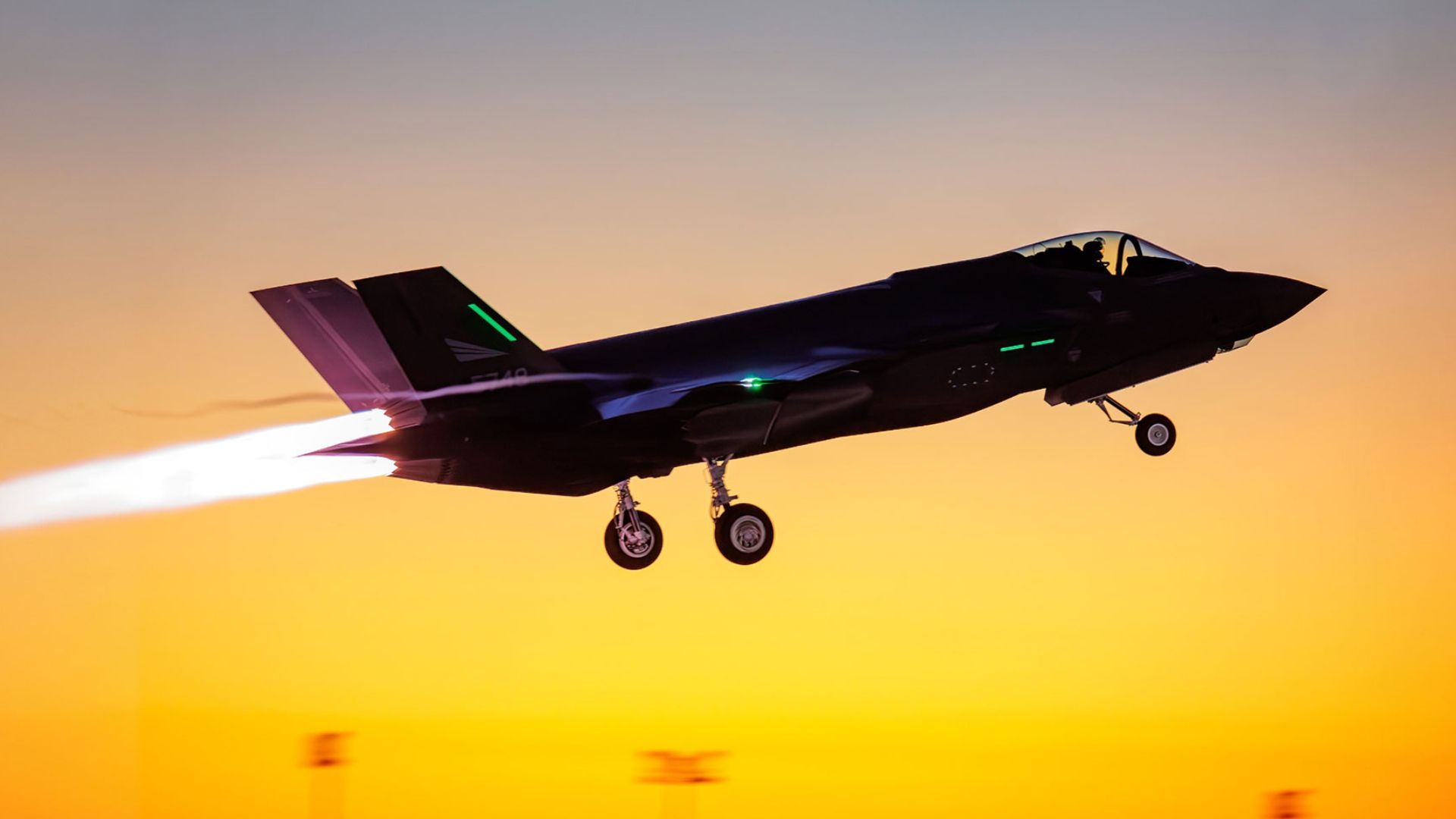
The f35 is one of the most talked-about military aircraft in the world. It is fast, smart, and built for modern war. For many Americans, it stands for strength, innovation, and air power. But there is more to this aircraft than speed and stealth. The story includes bold design choices, years of testing, global partnerships, and real-world missions. That is why the f35 keeps drawing attention from defense experts, pilots, and everyday readers across the United States.
What makes this aircraft special is how it combines many roles into one platform. It can fight in the air, strike targets on the ground, gather intelligence, and work closely with other forces. That flexibility gives the U.S. military a strong advantage. In this guide, you will learn how the jet was developed, what its versions do, why it is so expensive, and how it may shape future combat. This article keeps things simple, clear, and useful from start to finish.
F35 Biography at a Glance
| Detail | Information |
|---|---|
| Official Name | Lockheed Martin F-35 Lightning II |
| Common Keyword Form | f35 |
| Aircraft Type | Fifth-generation multirole stealth fighter |
| Manufacturer | Lockheed Martin |
| Key Partners | Northrop Grumman, BAE Systems, Pratt & Whitney |
| Country of Origin | United States |
| First Flight | 2006 |
| Main Mission | Air combat, strike missions, intelligence, surveillance, reconnaissance |
| Main Users | U.S. Air Force, U.S. Marine Corps, U.S. Navy, allied nations |
| Variants | F-35A, F-35B, F-35C |
| Engine | Pratt & Whitney F135 |
| Special Strengths | Stealth, sensor fusion, data sharing, multirole flexibility |
| Program Goal | One family of aircraft for several services and allies |
F35 Profile Table
| Feature | F-35A | F-35B | F-35C |
|---|---|---|---|
| Primary User | U.S. Air Force | U.S. Marine Corps | U.S. Navy |
| Takeoff Type | Conventional | Short takeoff/vertical landing | Carrier launch and landing |
| Main Role | Land-based combat missions | Expeditionary and amphibious missions | Carrier-based missions |
| Internal Gun | Yes | No internal gun pod built in like A | No internal gun pod built in like A |
| Wing Size | Standard | Standard | Larger wings for carrier use |
| Landing Gear | Standard | Reinforced | Strong carrier-ready gear |
| Best Known Advantage | Most common and widely fielded | Can operate from shorter runways and ships | Built for aircraft carrier operations |
What Is the F35 and Why Does It Matter?
The f35 is a fifth-generation fighter jet designed to handle many missions in one aircraft. In plain terms, that means it can do more than older jets that were built for one main job. It can fly into dangerous airspace, avoid detection better than many legacy aircraft, strike targets with precision, and send important battlefield data to friendly forces. That mix of stealth, awareness, and flexibility has made it a major part of U.S. air power planning.
For the United States, this matters because modern conflicts move fast. Pilots need clear information in seconds, not minutes. Military leaders also want one aircraft family that can work across the Air Force, Navy, and Marine Corps. The f35 answers that need better than most earlier designs. It is not just a fighter. It is also a flying sensor platform, a battlefield communicator, and a long-term investment in future defense strategy.
How the F35 Program Began
The f35 program grew from the idea that one family of jets could serve different branches of the military. Instead of building separate aircraft for each service, leaders wanted a shared platform with different versions. This approach aimed to reduce costs over time, simplify training, and improve support systems. Lockheed Martin won the competition, and the aircraft became known as the F-35 Lightning II. From the start, the project was ambitious and complex.
That ambition also brought challenges. Building one aircraft for the Air Force, Marine Corps, and Navy was never going to be easy. Each branch had its own needs. The Marines wanted short takeoff and vertical landing. The Navy needed strong carrier performance. The Air Force wanted a dependable land-based fighter. Trying to satisfy all three at once created technical pressure and public debate. Even so, the program moved forward because the long-term military value was considered too important to ignore.
The Three Main Variants Explained
The f35 comes in three main versions, and each one serves a different mission. The F-35A is used mostly by the U.S. Air Force and many allied nations. It is the most common version and is built for standard runway operations. The F-35B is the Marine Corps version. It can take off from shorter runways and even land vertically, which makes it useful for ships and rougher forward locations. The F-35C is made for the Navy and is built to operate from aircraft carriers.
This three-variant design gives the f35 family unusual flexibility. The Air Force gets a stealth fighter for daily operations from land bases. The Marines get a jet that can support forces in places where large runways may not exist. The Navy gets a stronger carrier-ready model with larger wings and design changes for life at sea. That shared base design helps training and logistics, even though each version has unique features. It is one program, but with three very different mission styles.
Speed, Stealth, and Air Combat Power
When people hear about the f35, they often think first about speed. Yes, it is fast, but raw speed is not the whole story. The aircraft was built for survival and mission success in dangerous airspace. Stealth plays a huge role here. Its shape and materials help reduce detection, which can give pilots more time to act. In combat, seeing first and striking first often matters more than being the absolute fastest aircraft in the sky.
The f35 also performs well in air combat because of its advanced systems. Pilots get a broad picture of the battle instead of piecing clues together from separate screens. This helps with fast decision-making under pressure. In real operations, that kind of awareness can save lives. A pilot who understands threats early can respond with confidence. So while speed matters, the real strength of this aircraft is how it blends stealth, information, and precision into one complete fighting package.
The Technology That Makes It Special
The f35 stands out because of its technology. One of its most important features is sensor fusion. That means the aircraft collects information from many systems and combines it into one clear view for the pilot. Instead of sorting through separate data streams, the pilot sees a smarter picture of what is happening. This reduces confusion and helps quick action. In a high-risk mission, that simple and clean flow of information can be the difference between success and failure.
Another major strength is how the f35 shares data with other platforms. It can help other aircraft, ships, and ground units understand the fight better. Many defense experts believe this is one of its biggest real-world advantages. The helmet system is also famous. It gives the pilot a rich view of the battlefield and displays key data directly where it is needed. These features make the aircraft feel less like an old-style fighter and more like a connected combat system built for modern warfare.
Weapons and Mission Flexibility
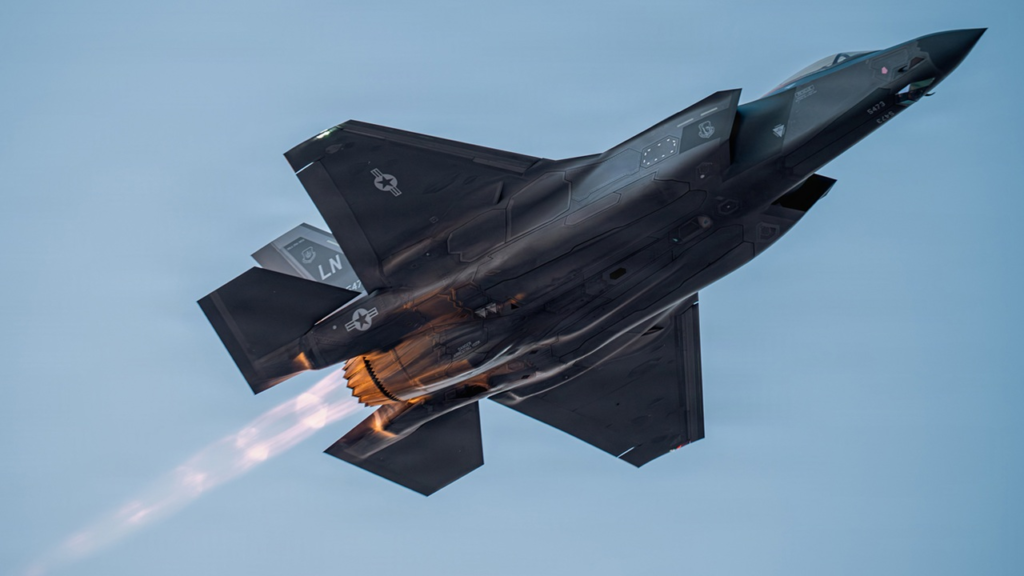
The f35 can carry a wide range of weapons, which helps explain why it is called a multirole fighter. It can support air-to-air combat, ground attack, and close support missions. It can also carry weapons internally to preserve stealth in high-threat environments. For missions where stealth matters less, it can carry more equipment externally. That gives military planners options based on the mission, the threat, and the target. Flexibility like that is a major reason the platform remains important.
This mission range gives the f35 real value for the United States and its allies. One aircraft can move from air defense to precision strike without needing a completely different fleet. That saves time and improves coordination. In simple terms, commanders can ask this jet to do many jobs on the same day if needed. That kind of versatility becomes especially useful in fast-moving conflicts. It also means pilots train on a platform that stays relevant across many mission types, not just one narrow role.
Cost, Criticism, and Big Questions
The f35 has faced serious criticism over cost. That criticism is not hard to understand. The program has been expensive, and reports about delays, support issues, and maintenance challenges have raised concerns. Many taxpayers want to know whether the value matches the price. That is a fair question. Defense programs of this scale must prove their worth over time. Critics often point to sustainment costs, technical fixes, and the pressure of supporting such a complex fleet for decades.
Still, supporters argue that the f35 should be judged by what it replaces and what it adds. It is not just a new jet. It is a major shift in how air combat works. Older aircraft often need support from several other platforms to match the same mission picture. The F-35 tries to bring more of that capability into one aircraft. From that view, the cost is part of building a long-term strategic tool. The debate will continue, but the aircraft clearly remains central to U.S. planning.
Real-World Use and Combat Value
The f35 is no longer just a development story. It has entered real military service and supported live operations. That matters because it shows the aircraft is being used beyond training and test flights. Real-world missions provide lessons that no simulation can fully match. Pilots, crew members, and commanders learn what works, what needs improvement, and how the aircraft performs under pressure. Those lessons shape future upgrades and help turn a new platform into a stronger one.
From a trust standpoint, this matters a lot. People often feel more confident in military technology when it has been used in real conditions. The f35 has shown that it can operate with allied forces, support different mission sets, and contribute to complex military planning. That does not mean it is perfect. No aircraft is. But it does mean the jet is proving its value in practical ways. For many observers, that is where the conversation becomes more serious and more meaningful.
Why the United States Invests So Much in It
The United States invests heavily in the f35 because air dominance still matters. In any future conflict, the ability to gather information, protect forces, and strike accurately will be vital. Military leaders do not only think about today. They think about threats years ahead. That is where this aircraft fits. It is seen as a long-term part of national defense, not just a short-term purchase. The U.S. wants systems that can adapt as threats change, and this platform was built with that future in mind.
There is also a strong alliance angle. Many partner nations operate the f35, which helps create common systems, training habits, and mission planning methods. That makes joint operations smoother. If the U.S. and its allies must work together, shared tools can make a major difference. From a strategic point of view, the aircraft is not just about one nation’s air fleet. It is also about networked defense cooperation. That broader role helps explain why so much money and attention continue to flow into the program.
Pilot Experience and Human Factors
For all its advanced technology, the f35 is still flown by a human pilot, and that human element matters. A fighter jet can have great hardware, but if the pilot feels overloaded, mission performance can suffer. One of the goals of this aircraft was to reduce stress by making information easier to understand. The cockpit systems are designed to help the pilot focus on decisions instead of constantly sorting messy data. That design philosophy is a major part of the jet’s appeal.
Pilots have often described the aircraft as giving them a better overall picture of the mission. That broad awareness can help with confidence and timing. In my view, this is one of the strongest reasons the f35 stays important. Modern war is not just about muscle. It is also about clarity. The side that understands the fight first usually gains the upper hand. A platform that helps pilots think faster and act smarter has real value, even before the first weapon is ever launched.
The F35 and the Future of Warfare
The f35 points toward a future where aircraft are part of a larger connected system. In earlier generations, a fighter jet was judged mainly by speed, turning ability, and weapon load. Those factors still matter, but the future adds more layers. Today, military success often depends on data sharing, awareness, coordination, and fast decision-making. This aircraft was designed for that world. It fits into a battlefield where information can be just as valuable as firepower.
That is why the f35 is likely to stay relevant for many years. It can be updated, improved, and connected to newer systems over time. That growth path is important. A military platform with upgrade potential is far more valuable than one locked in the past. For American readers, the bigger point is simple: this aircraft is not only about what it can do now. It is also about how it supports the next generation of defense thinking, planning, and joint operations.
Global Interest and International Reach
The f35 is not only a U.S. story. It has attracted strong interest from allied nations that want advanced stealth fighters and deeper military cooperation with America. Countries often choose this platform because it gives them more than a jet. It gives them access to a larger defense network, common training methods, and long-term support relationships. That kind of shared capability strengthens alliances and improves combined readiness. In today’s security environment, that matters more than ever.
This international reach also increases the aircraft’s strategic weight. When allies fly the f35, they create more common standards for missions, maintenance, and planning. That can make joint operations faster and smoother. It also spreads development lessons across a wider group of users. In practical terms, the program becomes stronger when many nations invest in its success. For the United States, that is a major plus. It means the aircraft supports not just national defense goals, but broader global partnership goals too.
Common Myths About the F35
One common myth is that the f35 is only expensive and nothing more. Cost is part of the story, but it is not the whole story. A modern stealth fighter with advanced computing, sensor fusion, and multirole capability will never be cheap. The real question is whether those features bring long-term value. Another myth is that the aircraft depends only on stealth. In reality, its strength also comes from data sharing, mission flexibility, and pilot awareness.
Another mistaken idea is that the f35 replaced the need for every other aircraft. That is not true. No single platform does everything. Modern air power works best as a team effort. This jet fits into that team as a high-value asset, not a magic answer to every challenge. Understanding that balance helps people judge the program more fairly. It is advanced, useful, and influential, but it still exists within a larger defense system that includes many other aircraft and support platforms.
Conclusion
The f35 is much more than a famous fighter jet name. It is a symbol of how modern air combat has changed. Speed still matters, but information, stealth, coordination, and mission flexibility matter just as much. This aircraft brings those pieces together in a way few platforms can. That is why it remains at the center of U.S. defense planning and continues to draw global attention. For readers in the United States, it represents both military power and long-term technological ambition.
Whether you admire the aircraft or question its cost, the f35 is impossible to ignore. It has already shaped military thinking, influenced allied defense plans, and changed expectations for what a modern fighter can do. As future upgrades arrive and global tensions evolve, this jet will remain part of major defense conversations. If you want to understand the future of American air power, learning about this aircraft is a smart place to start.
FAQs
What does f35 mean?
The term f35 usually refers to the Lockheed Martin F-35 Lightning II, a fifth-generation multirole stealth fighter aircraft developed in the United States. It was designed for the Air Force, Marine Corps, Navy, and allied nations.
What are the three versions of the F-35?
The three versions are the F-35A, F-35B, and F-35C. The A model is for standard runway use, the B model can perform short takeoff and vertical landing, and the C model is built for aircraft carrier operations.
Why is the F-35 so important?
The aircraft is important because it combines stealth, advanced sensors, data sharing, and mission flexibility. It can handle air combat, strike missions, and intelligence support in one platform.
Is the F-35 the fastest fighter jet?
No, it is not the fastest fighter ever made. Its value comes more from stealth, awareness, and multirole performance than from pure top speed alone.
Why is the F-35 program expensive?
The program is expensive because it involves advanced technology, three different service variants, long-term support needs, and major development work. It is a large and complex defense project.
Does the F-35 have a future?
Yes, the aircraft is expected to remain a major part of U.S. and allied defense planning for many years. Its upgrade potential and networked warfare role support its long-term value.
you may also like to read about










Leave a Reply