

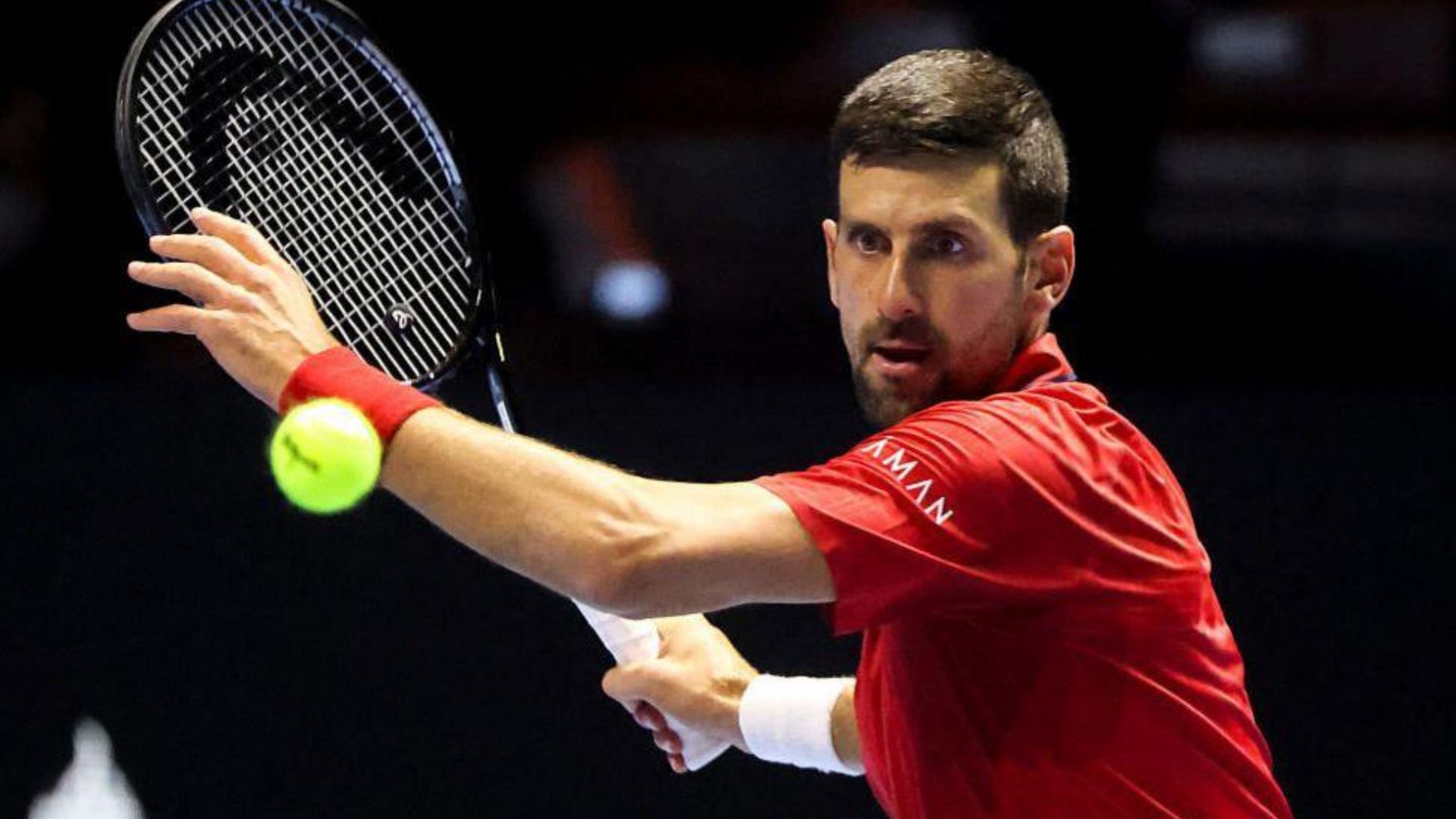
When people say Novak, they often mean one name: Novak Djokovic. He is one of the most successful tennis players ever. His story is not just about trophies. It is about focus, pressure, and staying calm when the world watches. American fans also love big moments. And he has delivered many of them on the biggest courts. In this guide, you’ll learn who he is, how he grew up, what he achieved, and why his mindset stands out. I’ll keep it simple, clear, and honest. You’ll also get quick tables, helpful examples, and answers to common questions.
Biography Table (Quick Facts)
| Detail | Information |
|---|---|
| Full Name | Novak Djokovic |
| Born | May 22, 1987 |
| Birthplace | Belgrade, Serbia |
| Height | 6’2″ (1.88 m) |
| Turned Pro | 2003 |
| Playing Hand | Right-handed (two-handed backhand) |
| Grand Slam Singles Titles | 24 |
| Known Nickname | “Nole” |
Profile Table (At-a-Glance)
| Category | Details |
|---|---|
| Sport | Tennis |
| Country | Serbia |
| Languages | Serbian, English, Italian, German, French |
| Family | Wife: Jelena; Children: Stefan and Tara |
| Big Records | Many all-time records in majors and rankings |
| Style | Elite return game, deep defense, precise hitting |
Early Life: Where the Drive Started
Novak was born in Belgrade and grew up during a hard time in the region. He found tennis early and stuck with it. That sounds simple, but it was not. Tennis needs travel, coaching, and steady practice. He kept going anyway. What stands out is his early seriousness. Many kids love sports, then quit. He did not. He trained with purpose and learned fast. He also had strong family support, even when resources were limited. That mix matters. Talent helps, but daily discipline shapes champions. When you look back, his rise makes more sense. It was built on routine, not luck.
The Skills That Made Him Different
Novak is famous for returning serve like a wall. A great return steals time from the server. It turns defense into offense in one shot. He also slides well, even on hard courts. That gives him extra reach and balance. His two-handed backhand is steady and sharp. It holds up under pressure. His movement lets him turn long rallies into mental tests. Opponents feel they must hit the perfect shot again and again. Many cannot do it for four or five sets. He stays patient and waits for the crack. That is a rare skill. It is not loud, but it wins matches.
Training Habits: The “Boring” Work That Wins
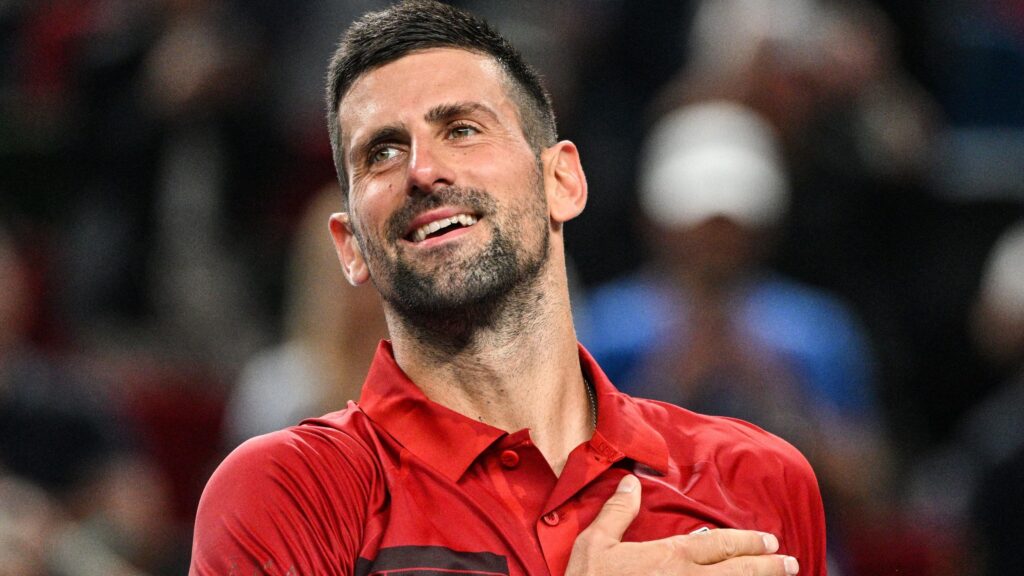
Fans often see match day only. But champions are made on quiet practice courts. Novak is known for detailed preparation. He drills patterns, not just random shots. He works on movement, recovery, and timing. He also treats fitness as a weapon. Tennis is a long game. You may play five sets in heat. You may play late at night, then again soon. Top players must stay strong and sharp. This is why his conditioning matters. When opponents fade, he often gets better. That swing changes matches. It also builds fear. Players know the match may not end quickly. That pressure changes decisions.
Grand Slam Success: Why 24 Is a Huge Number
Grand Slams are the hardest titles to win. The draw is deep. The matches are long. The attention is massive. Novak has won 24 major singles titles. That is a historic mark in men’s tennis. He won 10 Australian Opens, 3 French Opens, 7 Wimbledons, and 4 US Opens. These wins came across different eras and rivals. That matters. It means he adapted, again and again. He won on hard courts, clay, and grass. Each surface asks for different skills. When a player wins everywhere, it shows complete ability. It also shows strong problem-solving under stress.
Biggest Records: What Separates Him From Great Players
Records can feel like numbers. But some records explain real dominance. Novak has the most weeks ranked world No. 1. He also has many top-level tournament records. A Reuters summary lists major milestones. It includes his major title count, Masters titles, and ranking achievements. These are not “small” stats. They are the hardest categories to lead. They measure years, not days. They also measure consistency under pressure. Many players peak once. He kept returning to the top. That is why his career is studied by coaches and younger pros. He did not win by one style only. He kept updating his game as tennis changed.
Olympic Gold: A Career Dream Completed
Some athletes want one thing most: Olympic gold. Novak achieved that goal at the 2024 Olympic Games. It added a powerful chapter to his legacy. The Olympics are different from tour events. National pride is heavy. The schedule is tight. The pressure is loud. Winning there is not just skill. It is emotional control. For him, the gold medal also completed a lifelong target. It showed he could deliver in a special format, under unique tension. Many legends never win Olympic singles gold. That is why this achievement matters. It is one more proof of his ability to peak at the right time.
Rivalries: How Great Opponents Made Him Stronger
Great careers often include great rivals. Novak played in an era filled with elite champions. These matchups pushed him to improve. Rivalries force a player to answer hard questions. How do you break a great defender? How do you handle a big server? How do you win when the crowd is against you? He faced all of that. Over time, he learned to win in many ways. He could attack early or grind long. He could serve big or return deep. He could change rhythm and make opponents doubt. Rivalries also teach humility. You cannot win every match. But you can learn and come back better. That loop builds greatness.
A Simple Look at His Mindset Under Pressure
Pressure shows the real person. Novak often looks calm in chaos. That does not mean he feels nothing. It means he manages it well. In tennis, one point can flip a match. A double fault can start a spiral. A missed break point can change belief. The best players reset fast. They treat the next point as new. That skill is mental fitness. From my view, his strongest “weapon” is not one shot. It is his ability to stay present. He rarely looks lost for long. He may be frustrated, but he regroups. Young players can learn from this. You do not need perfect emotions. You need a strong reset button.
Family and Life Off the Court
Fans also care about the human side. Novak is married to Jelena, and they have two children. Family life can change an athlete’s routine. It can also add meaning and balance. The ATP Tour bio notes key family details and personal notes. It also mentions his language skills, which help in global media moments. In the United States, athletes are often judged by interviews too. Clear communication shapes image. It also builds connection with fans. A player who speaks well can share lessons beyond sports. That is part of modern fame. Still, tennis remains the center. Off-court life matters most when it supports the work, not when it distracts from it.
Why American Fans Keep Watching
The U.S. sports culture loves big stages. Novak has delivered many huge moments on hard courts, where the ball moves fast. American audiences also respect toughness. Long matches, long seasons, and loud crowds test a player’s nerve. He has handled that for years. Also, many U.S. viewers love a clear story arc. His career has many arcs. There are comebacks, record chases, and new rival battles. Even when he is not the favorite, he stays dangerous. That unpredictability keeps people tuned in. And when he plays young stars, it feels like a “past vs future” showdown. Those matches create memories that live beyond one tournament.
2026 Snapshot: Still Competing at the Top
Some champions fade quietly. Novak has stayed near the top even in his late 30s. That is rare in modern tennis. ESPN listed him as ATP Rank #3 with 2026 stats shown early in the season. Rankings move often, but staying high this late shows serious quality. It means his body, training, and motivation are still strong. It also means his game remains effective against younger power hitters. This is where experience shines. He reads patterns quickly. He knows how to manage energy. He knows when to attack and when to wait. Many players have skills. Few have that level of match wisdom plus fitness.
Lessons Regular People Can Take From His Career
You do not need to play tennis to learn from him. Novak shows the power of routine. Small habits, repeated daily, beat sudden bursts of effort. He also shows how to stay focused in noise. Life has noise too. Work stress, family stress, money stress. You cannot remove all stress. But you can train your response. Another lesson is patience. Many goals take years. He did not become a legend overnight. He built skills step by step. Finally, he shows the value of adapting. When your plan fails, you adjust. You do not quit. That mindset works in school, business, and health goals. It is not magic. It is steady effort with smart learning.
FAQs
Who is Novak Djokovic?
Novak Djokovic is a Serbian professional tennis player. He is widely seen as one of the greatest ever. He has won 24 Grand Slam singles titles.
How many Grand Slams has he won?
He has won 24 major singles titles. That includes 10 Australian Opens, 3 French Opens, 7 Wimbledons, and 4 US Opens.
What is he best known for on court?
He is known for elite returning, strong movement, and mental toughness. He turns defense into offense quickly.
When was he born?
He was born on May 22, 1987, in Belgrade.
Is he married and does he have kids?
Yes. The ATP Tour bio notes he is married to Jelena and has two children.
Conclusion
When people talk about greatness, they often talk about talent first. But Novak shows something deeper. He shows how far discipline can take you. He shows how calm thinking can beat panic. He shows how daily training can build a lifetime legacy. If you’re a tennis fan in the USA, his career gives you what sports should give you: drama, excellence, and real lessons. If you want to take one idea from his story, take this: progress is built in quiet hours. Keep showing up. Keep improving one small thing. And stay patient with the process.




Leave a Reply