

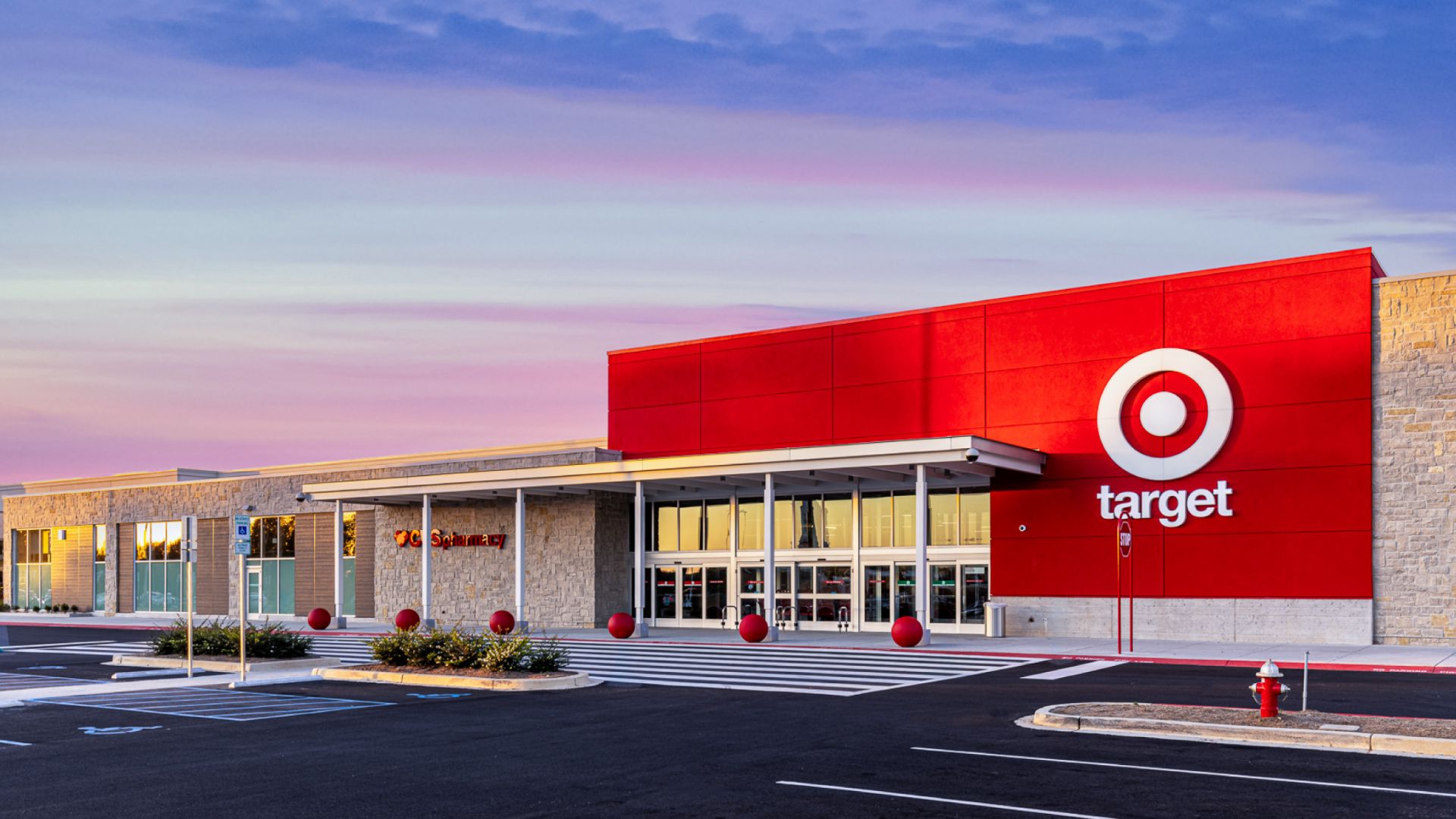
When people talk about American retail, Target often comes up fast. That is easy to understand. The brand feels bright, simple, and friendly. It offers style, value, and convenience in one place. Many shoppers go there for a quick stop and leave with much more. That happens because the stores are built around real life. Parents shop for school items. College students grab room basics. Families pick up groceries, gifts, and home goods in one trip. That mix gives the brand a strong place in daily life. In this guide, you will learn how Target grew, what makes it stand out, and why so many people in the United States feel connected to it. You will also get a detailed biography table and a profile table for quick reading.
Target Biography Table
This table gives a clear view of the company’s background. It is useful for readers who want fast facts before diving into the full story. The details below focus on core company identity, history, business type, and brand image. This creates a strong base for understanding why the retailer connects so well with American shoppers from many age groups and income levels.
| Biography Detail | Information |
|---|---|
| Company Name | Target Corporation |
| Common Brand Name | Target |
| Founded | 1902 |
| Founder Roots | Built from the retail vision of George Dayton |
| Headquarters | Minneapolis, Minnesota, USA |
| Industry | Retail |
| Business Type | Public retail corporation |
| Main Offerings | Clothing, home goods, beauty, food, electronics, toys, and daily essentials |
| Core Image | Stylish value with easy shopping |
| Customer Base | Families, students, young adults, working professionals, and budget-aware shoppers |
| Known For | Clean stores, affordable design, private labels, and simple shopping options |
| Market Focus | United States shoppers |
| Brand Personality | Friendly, modern, practical, and dependable |
| Shopping Channels | Physical stores, website, app, pickup, delivery, and shipping |
| Long-Term Strength | Blending low prices with design appeal |
Target Profile Table
A profile table helps readers see the business from a practical angle. Instead of history alone, it shows the company’s everyday strengths, shopping style, and customer appeal. This is where the brand becomes easy to understand. You can quickly see why it fits American family life, why younger shoppers like it, and why busy households often return again and again.
| Profile Area | Details |
|---|---|
| Retail Style | Mass retail with a clean, modern feel |
| Main Customer Promise | Good design at prices many households can manage |
| Store Experience | Easy to browse, bright layout, and family-friendly flow |
| Price Position | Affordable to mid-range |
| Product Mix | Everyday basics plus trend-driven items |
| Brand Strength | Value with style |
| Strong Categories | Home decor, beauty, kids, apparel, essentials, and seasonal goods |
| Digital Convenience | App shopping, same-day options, and pickup services |
| Loyalty Pull | Repeat visits through convenience, trust, and routine needs |
| Emotional Appeal | Feels easy, familiar, and enjoyable |
| Competitive Edge | Makes everyday shopping feel less boring |
| USA Audience Fit | Works well for suburban families, urban shoppers, students, and gift buyers |
The Early Story Behind the Brand
The early story matters because it shaped the company’s tone for years. The business came from a retail background that valued service, trust, and steady growth. Those ideas still matter today. In a crowded market, shoppers need a reason to care. A store must feel useful, but it also must feel welcoming. That balance helped Target build a stronger identity than many plain discount chains. It did not try to be cold or dull. Instead, it leaned into a cleaner and more upbeat style. That move was smart. It gave people a reason to shop for basics without feeling bored. Over time, that simple idea became a powerful brand habit. Customers began to expect more than low prices. They expected a pleasant trip, good display choices, and products that looked fresh, fun, and easy to bring home.
How the Business Grew Across America
Growth did not happen by chance. It came from understanding what American shoppers wanted at home, at school, and in daily life. The company expanded by making its stores useful for many needs at once. A parent could buy snacks, cleaning products, kids’ clothes, and birthday gifts in one stop. That kind of convenience matters in a busy week. Target also grew because it understood emotion, not just price. People enjoy buying things that look good. They want everyday products that still feel special. That is where the business found a strong lane. It brought together value and style in a simple way. As more shoppers discovered that mix, the brand gained loyalty. It became part of family routines, weekend plans, and holiday shopping trips. That steady place in real life helped the company grow into a major American retail name.
What Makes the Shopping Experience Feel Different
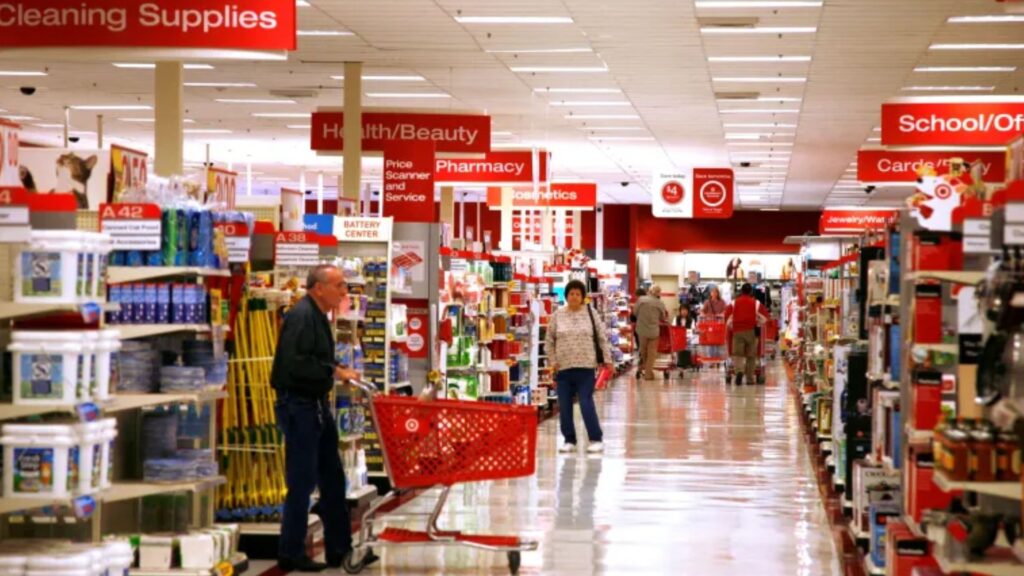
Many stores sell the same kinds of goods. The difference often comes from the feeling inside the store. That is where Target has long stood apart. The layout usually feels cleaner and calmer than many shoppers expect from a big retail chain. The signs are easy to follow. Product displays often look organized. Seasonal sections create excitement. Even a small shopping trip can feel a bit more pleasant. That matters more than people think. A shopper who feels relaxed will stay longer and explore more sections. The brand understands that. It creates an experience that feels less stressful and more enjoyable. For families with kids, that matters a lot. For young adults setting up apartments, it matters too. A store that feels simple and easy can turn a basic errand into a satisfying visit. That feeling keeps people coming back.
Store Brands That Built Real Trust
One powerful reason the company remains popular is its private label strategy. Store brands can either feel cheap or feel smart. The best ones make shoppers feel they found a good deal without giving up quality. Target has done well in this area by creating product lines that match real life. Some focus on children. Some fit home style. Some serve wellness, beauty, or food needs. This gives shoppers more than random shelf items. It gives them collections that feel thought out. A parent buying kids’ basics wants comfort and value. A young renter wants home decor that looks modern without costing too much. The company saw those needs clearly. That helped its own brands earn trust over time. When customers trust a store label, they spend with less worry. That trust becomes one of the strongest reasons they return again and again.
Digital Shopping and Same-Day Convenience
Retail has changed fast, and convenience now shapes buying decisions every day. People want speed. They want clear product search. They want flexible pickup and delivery choices. Target responded by making digital shopping part of normal life, not a side feature. This matters for parents juggling work and school schedules. It matters for students who need room items fast. It matters for shoppers who do not want to spend an hour walking every aisle. Easy app use, online browsing, pickup services, and delivery options help the company stay useful in a busy world. The smart part is that digital convenience still connects back to the store. It does not replace the in-person trip. It supports it. That creates a stronger system for customers. They can browse online, buy quickly, and still trust the same familiar brand they know from local shopping habits.
Why Families and Young Shoppers Keep Coming Back
A strong retail brand serves more than one age group well. That is hard to do, but this company often manages it. Families like it because they can find practical items in one trip. Students and young adults like it because the products often feel more stylish than expected. Target sits in that sweet spot between useful and enjoyable. That is a powerful place to be. It meets real needs, but it also offers items people feel happy to own. Think about a college student decorating a dorm room. Think about a mom picking up school supplies and pantry items. Think about a young couple buying towels and kitchen tools for a first apartment. All of them want value, but they also want things that feel nice. That emotional pull helps the brand stay relevant across different stages of life in the United States.
Design, Value, and Everyday Style
Many retailers chase low prices. Fewer know how to make low-cost shopping feel attractive. That is where design plays a big role. Target has long understood that everyday goods do not need to look plain. A lamp, storage basket, throw pillow, or coffee mug can still feel stylish without being too expensive. This idea may sound simple, but it changes how people shop. When shoppers believe affordable products can still look polished, they become more excited to buy. They also begin to trust the brand’s taste. That trust helps the business in home decor, clothing, gifts, and seasonal items. American shoppers often want their homes to look warm and put together, even on a budget. The company speaks to that desire well. It turns basic buying into a small moment of self-expression, and that is a very strong retail advantage.
Community Giving and Public Image
A company grows stronger when people believe it adds value beyond sales. Public image is shaped by how a brand shows up in everyday communities. Target has often been seen as a store that tries to connect with schools, families, neighborhoods, and local needs. That image matters because people notice more than price tags. They notice values, tone, and how a company fits into daily life. A store becomes part of a community when it supports common needs in visible ways. That can include seasonal drives, school-related support, or a general focus on family life and practical living. For American shoppers, trust grows through these repeated signals. A helpful image makes a business feel more dependable. It also makes customers feel better about returning. People like brands that seem present, useful, and easy to understand. That kind of public trust can last for years.
Lessons Business Owners Can Learn From This Success
There are strong lessons here for anyone building a brand. First, value alone is not enough. People also want ease, trust, and a pleasant buying experience. Second, a company grows faster when it understands real routines. Busy families do not want confusion. They want simple choices. Third, design matters even in low-cost spaces. Target shows that affordable products can still feel thoughtful and appealing. That idea works far beyond retail. A small business can also use it. Make things simple. Make them easy to trust. Make the customer feel good about the choice. Another lesson is consistency. Customers return when they know what to expect. That means clear service, useful product groups, and a tone that feels familiar. Strong businesses do not win only with big ideas. They win by solving small everyday problems well. This company has done that in a way many others can study.
Challenges and How the Company Responds
No major retailer moves forward without pressure. Customer tastes change. Prices rise. Supply issues happen. Online habits shift fast. Competition also stays fierce. These challenges test every part of a business. What matters most is how a company responds. Target has remained important because it keeps adjusting while staying true to its main appeal. It still tries to offer convenience, style, and practical value. That balance is not easy in a market where shoppers compare everything with one tap. A weak response could make the brand feel old or out of touch. A smart response keeps it useful and familiar at the same time. This is why flexibility matters. A retailer must protect its core identity while improving service, products, and digital tools. Companies that fail to do both often lose trust. Companies that adapt with care keep their place in everyday American life.
What the Future Could Look Like
The future of retail will reward brands that feel human, fast, and dependable. Shoppers want less friction and more confidence. They want quick buying options, but they also want products that fit their homes and lifestyles. Target seems well placed for that kind of future because its brand already connects convenience with emotional comfort. People know what the experience feels like. That is a major strength. Going forward, the biggest wins will likely come from better service, smart product choices, and stronger links between stores and digital tools. Retailers that make life easier without losing warmth will stay ahead. This company has a strong chance to keep growing in that direction. As long as it stays focused on real household needs, it can remain a trusted name for American shoppers who want style, value, and ease in one simple shopping journey.
Frequently Asked Questions
What is Target best known for?
Target is best known for offering everyday products that feel more stylish and pleasant than many shoppers expect from a large retail chain. It has built a strong name through affordable home goods, clothing, beauty items, school supplies, and seasonal products. Many American shoppers like it because the stores feel easy to browse and the product mix supports daily life in a simple, practical way.
Is Target only popular with families?
No, the brand appeals to several groups at once. Families shop there for groceries, school items, and daily basics. Students often like the home and dorm selections. Young adults enjoy the decor, beauty, and clothing options. Gift buyers also visit during holidays and special events. The company stays relevant because it connects with different life stages without losing its clear and easy shopping identity.
Why do people enjoy shopping at Target?
People often enjoy the experience because the stores feel brighter, cleaner, and easier to explore than many large retail spaces. The layout is simple, and the product mix feels useful but still fun. Shoppers can buy practical items and also discover stylish extras. That mix creates a more pleasant trip. It turns a routine errand into something that feels smoother, lighter, and more enjoyable.
Does Target offer more than low prices?
Yes, and that is a big reason for its success. The company does offer value, but it also offers design, convenience, and trust. Many shoppers feel they can buy items that look modern without paying premium prices. That matters for home decor, clothing, gifts, and daily essentials. The store wins by combining fair pricing with a brand experience that feels organized, familiar, and customer friendly.
Why does Target connect so well with USA shoppers?
The company understands American routines very well. It fits school shopping, home setup, weekly household needs, and holiday buying patterns. People can shop in stores, use pickup options, or order online. That flexibility matches real life. The brand also speaks to a wide audience without feeling confusing. It stays practical, welcoming, and easy to trust, which helps it connect with shoppers across the country.
What can small businesses learn from Target?
Small businesses can learn the value of clear brand identity, strong customer trust, and simple shopping experiences. A company does not need to be huge to apply those lessons. It should make buying easy, understand what customers need most, and present products in an appealing way. Consistency matters too. When people know what to expect and feel good after a purchase, they are much more likely to come back.
Conclusion
Target remains a strong retail name because it understands something simple but powerful: shopping should solve real needs and still feel good. That idea has helped the company grow from a retail business with deep roots into a trusted part of American daily life. It serves families, students, young adults, and busy households with a mix of value, design, and convenience. That mix is not easy to copy. It takes clear brand focus and years of customer trust. The company’s story shows how a retailer can stay useful while also feeling warm and modern. For readers, the biggest takeaway is clear. People return to brands that make life easier and better at the same time. That is why this company still matters, and that is why so many shoppers continue to choose it.














Leave a Reply