

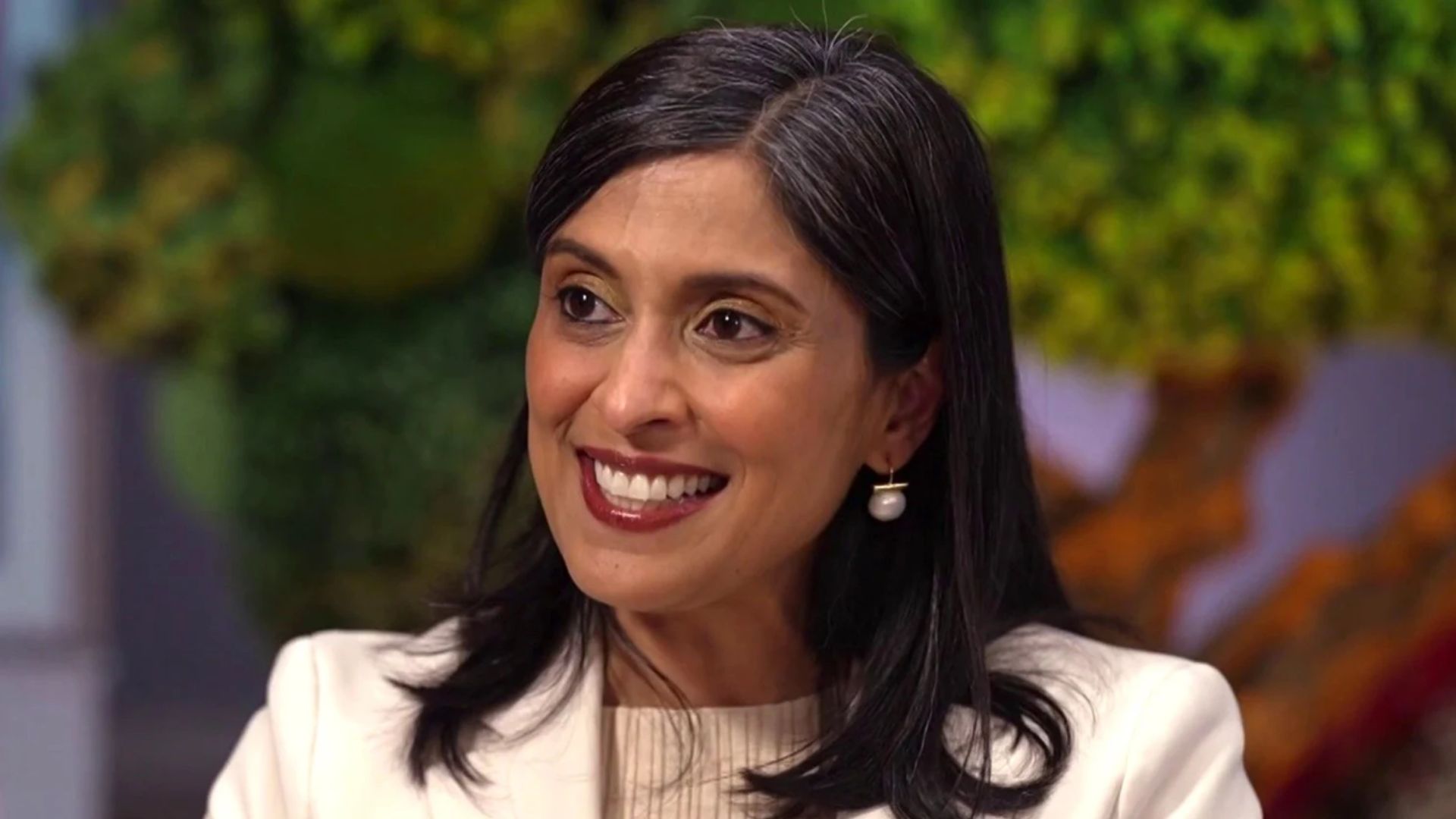
Usha Vance has become one of the most talked-about women in American public life. Many people first noticed her during the 2024 campaign, but her story began long before that moment. She built a strong academic record, worked at the highest levels of the legal world, and earned a reputation for being calm, sharp, and deeply thoughtful. Today, Americans want to know more about her background, her family life, her faith, and the path that brought her to the national stage. That curiosity makes sense. Her life blends law, education, service, and family in a way that feels both impressive and relatable. She is not famous only because of politics. She stands out because of her own record, her steady public presence, and the unique place she now holds in U.S. history.
Who Is Usha Vance?
Usha Vance is the second lady of the United States, the wife of Vice President J.D. Vance, and a lawyer with an elite academic and professional background. Britannica identifies her as the first Indian American and practicing Hindu to hold the role, and also the youngest second lady since the Truman era. The official White House biography describes her as a San Diego native, an experienced litigator, and a former clerk to Chief Justice John Roberts, Brett Kavanaugh, and Amul Thapar. Those details matter because they show why public interest in her has grown so fast. She is not only a political spouse. She is a highly accomplished professional with her own story, credentials, and public appeal. That mix of intelligence, discipline, and composure is a big reason she has drawn such wide attention across the country.
Biography Table
| Biography Detail | Information | Source |
|---|---|---|
| Full name | Usha Bala Vance, born Usha Chilukuri | |
| Birth date | January 6, 1986 | |
| Birthplace | San Diego, California | |
| Current role | Second Lady of the United States | |
| Heritage | Daughter of Telugu Indian immigrant parents | |
| Religion | Practicing Hindu | |
| Spouse | Vice President J.D. Vance | |
| Marriage year | 2014 | |
| Children | White House bio lists three children; March 2026 reports say the couple are expecting a fourth child | |
| Public distinction | First Indian American and practicing Hindu second lady |
Quick Profile Table
| Profile Item | Information | Source |
|---|---|---|
| Undergraduate school | Yale University | |
| Bachelor’s degree | History, summa cum laude | |
| Graduate study | MPhil in Early Modern History, University of Cambridge | |
| Scholarship | Gates Cambridge Scholar | |
| Law school | Yale Law School | |
| Major law school roles | Yale Law Journal editor and Yale Journal of Law & Technology managing editor | |
| Clerkships | Amul Thapar, Brett Kavanaugh, Chief Justice John Roberts | |
| Law firm work | Civil litigation and appeals at Munger, Tolles & Olson | |
| Board service | Gates Cambridge Alumni Association and Cincinnati Symphony Orchestra | |
| Public initiative | Summer Reading Challenge and literacy-focused public work |
Early Life and Family Roots
Usha Vance was born in San Diego and raised in a family that valued learning, discipline, and faith. Britannica says her parents immigrated from Andhra Pradesh in India and that she grew up in a Hindu home shaped by strong academic influences. That family setting helps explain much of her later path. She did not arrive in public life by accident. She came from an environment where study, responsibility, and calm judgment seem to have mattered every day. For many readers in the United States, that part of her story feels important because it adds depth to her public image. She represents both the American immigrant success story and the power of a home built around education. That background also helps explain why she often appears measured and thoughtful in public, even during very intense political moments.
Education Built on Serious Excellence
The academic record here is hard to ignore. Usha Vance graduated summa cum laude from Yale with a history degree, then studied at the University of Cambridge as a Gates Cambridge Scholar, earning an MPhil in early modern history. After that, she returned to Yale for law school. This is the kind of path that signals discipline, stamina, and real intellectual range. It also shows that her strengths are not limited to politics or law. She has deep training in history, writing, and analysis. That broad foundation likely helps her communicate with care and think through complex issues. In a public culture that often rewards noise, her academic story feels refreshingly grounded. It suggests someone who prepared for serious work long before the cameras arrived. That is one reason so many Americans see her as more than a political figure.
A High-Level Legal Career
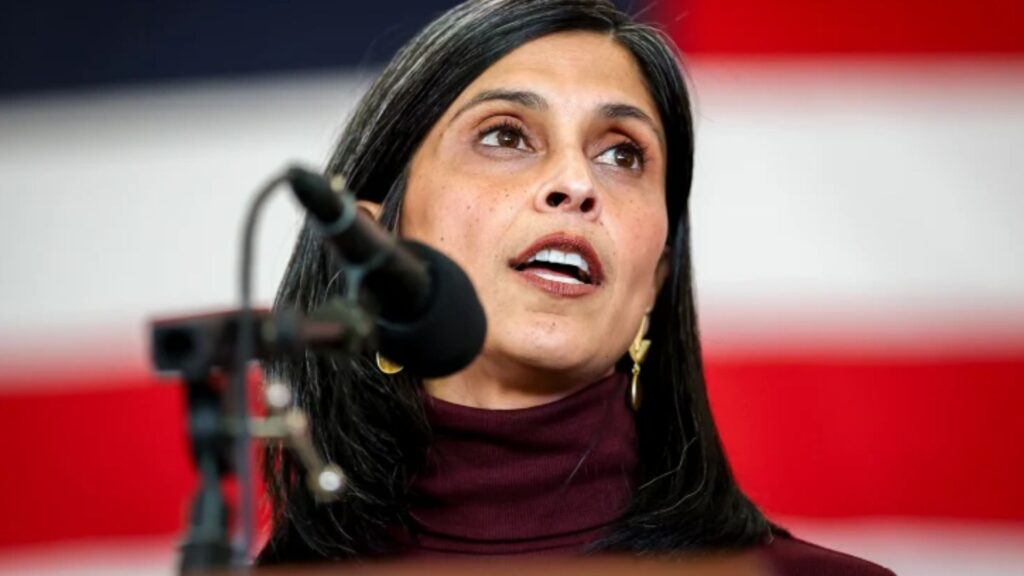
Before public life placed her in a brighter spotlight, Usha Vance built a demanding legal career. The White House and Britannica both note that she clerked for Judge Amul Thapar, then-Judge Brett Kavanaugh, and Chief Justice John Roberts. Those are major credentials in the American legal world. She also worked at Munger, Tolles & Olson, where Britannica says her litigation work included clients tied to higher education and major institutions. This matters because it shows she earned respect in one of the most competitive professional fields in the country. She was not simply adjacent to influence. She held positions that required precision, strong judgment, and trust. For readers trying to understand her public role, this legal background explains a lot. It helps clarify why she is often described as poised, disciplined, and exceptionally capable.
How She Met J.D. Vance
Her relationship with J.D. Vance began at Yale Law School, where the two met as students. CBS reports that he later described her as his “Yale spirit guide,” a phrase that has followed the couple ever since. That label stuck because it captures something people quickly noticed: she seemed to bring steadiness, clarity, and perspective into his life. Reports from CBS and Britannica say she helped him navigate elite academic culture and social spaces that once felt unfamiliar to him. Their marriage in 2014 joined two very different personal backgrounds, which may be part of why the relationship attracts so much interest. One came from a highly educated immigrant family. The other wrote openly about instability and struggle in his early life. Together, they formed a partnership that many people see as unusual, layered, and politically fascinating.
Why Americans Pay Attention to Her
A big reason people search for Usha Vance is simple: she stands out. She brings together several identities that are not often seen in one public figure. She is a top-tier lawyer, a mother, a political spouse, and a practicing Hindu in one of the most visible ceremonial roles in American government. Britannica notes that she is the first Indian American and practicing Hindu second lady, which gives her place in history a real symbolic weight. That visibility reaches beyond party lines. Some people are interested because of her professional success. Others are drawn to her family story, faith background, or calm speaking style. In a very loud political era, her restrained presence feels distinct. She often appears measured rather than dramatic, thoughtful rather than flashy. That difference has helped her build attention without seeming to chase it.
Her Role as Second Lady
Since entering national office in 2025, Usha Vance has taken on more public responsibilities. The White House says she led the presidential delegation to the 2025 Special Olympics World Winter Games in Turin. It also highlights her Summer Reading Challenge, which points to a growing interest in children’s literacy and family-centered outreach. These public actions matter because they show a role that is becoming more defined. She is not only appearing beside the vice president. She is also building a public identity around service, education, and family. That is often how second spouses shape their place in national life. They choose a few causes, show up consistently, and create a style of public work that fits who they are. In her case, literacy and children’s learning look like strong early themes.
Faith, Family, and Private Values
One of the most interesting parts of her story is the way faith and family sit at the center of it. Britannica describes her as a practicing Hindu, while also noting that she and J.D. Vance had an interfaith marriage ceremony in 2014. That detail matters because it reflects a modern American family story: different traditions, shared commitment, and space for personal belief. Family is also central to how she is presented publicly. The White House bio names three children, while more recent March 2026 reporting says the family is expecting a fourth child later this year. Taken together, those details show a life that is both highly public and deeply family-focused. Many readers connect with that balance. It makes her seem less like a distant political figure and more like a parent trying to protect normal routines in an extraordinary season of life.
Public Image, Style, and Personal Presence
Public image is never just about clothing or headlines. It is about how a person carries pressure. That is where Usha Vance often makes a strong impression. Coverage and official appearances have consistently presented her as calm, polished, and careful with words. She does not usually dominate a room through volume. Instead, she projects steadiness. That can be powerful in its own way. It gives her a distinct place in public life, especially at a time when many political personalities rely on constant performance. Even when attention grows around her marriage, her background, or her beliefs, she tends to come across as thoughtful and self-possessed. For many Americans, that style feels reassuring. It suggests seriousness and emotional control. Those qualities may help explain why interest in her biography, education, religion, and family keeps rising.
Her Interest in Reading and Childhood Learning
One of the clearest themes in her public work so far is reading. The White House Summer Reading Challenge places her name directly on a literacy effort aimed at children in kindergarten through eighth grade. Recent reporting also says she launched “Storytime with the Second Lady,” a series centered on reading aloud and encouraging stronger literacy habits at home. This focus feels natural when you look at her background. She comes from an education-centered family, has a serious academic record, and now appears to be using her public role to support children and parents in a practical way. That kind of project can connect well with families across the United States because it is simple, useful, and easy to understand. Reading is a universal need, and making it feel warm and inviting is smart public service.
What Comes Next
It is still early in her time on the national stage, which makes the next chapter especially interesting. Usha Vance already carries a historic title, a standout résumé, and a growing public presence. If her recent literacy efforts continue, she may become known not only as a political spouse but also as a visible advocate for reading and child development. There is also the simple fact that Americans tend to watch closely when a public figure combines elite achievement with a quieter style. That contrast invites attention. She may never be the loudest figure in the room, but that may be part of her advantage. In a fast-moving media culture, consistency can look powerful. Her future influence will likely depend on how she keeps blending family life, public service, and her own strong professional identity.
Why Her Story Resonates So Strongly
Some biographies feel distant. This one does not. Usha Vance represents several American themes at once: immigrant family roots, academic excellence, professional success, faith, marriage, motherhood, and public service. That combination gives her story unusual range. People who care about law can admire her clerkships and litigation work. Parents may relate to her family-centered image and reading projects. Others may see her rise as proof that the American public stage is still expanding to include more varied backgrounds and traditions. What makes her especially compelling is that she does not fit into one easy box. She is accomplished without seeming showy. She is visible without feeling overexposed. She is historic, but also human. That balance is rare, and it helps explain why so many readers keep searching for more about her life.
Conclusion
Usha Vance is not just a name attached to a headline. She is a serious lawyer, a historic second lady, a mother, and a public figure with a background that gives her real depth. Her story moves from San Diego to Yale, Cambridge, top clerkships, major legal work, and then to one of the most visible roles in the country. That journey is why public interest in her keeps growing. She offers something many people find refreshing: intelligence, steadiness, and a style that feels grounded. As her public role develops, more Americans will likely watch how she uses her platform, especially around family and literacy. For now, one thing is already clear. Usha Vance has become an important figure in modern American public life, and her story is still unfolding.
FAQs
Who is Usha Vance?
Usha Vance is the second lady of the United States and the wife of Vice President J.D. Vance. She is also a lawyer with degrees from Yale and Cambridge, plus clerkships for Amul Thapar, Brett Kavanaugh, and Chief Justice John Roberts. That mix of public visibility and high-level legal work is a big reason people across the United States are searching for her biography and background.
What is her educational background?
She graduated summa cum laude from Yale University with a degree in history, later earned an MPhil in early modern history from the University of Cambridge as a Gates Cambridge Scholar, and then received her law degree from Yale Law School. This is one of the strongest academic records of any recent national political spouse, and it helps explain her reputation for seriousness and sharp analysis.
What did she do before entering public life?
Before becoming second lady, she worked in law. Her background includes federal clerkships and civil litigation work at Munger, Tolles & Olson. Those jobs required elite legal skill and careful judgment. In simple terms, she had a major professional career of her own before stepping into the White House spotlight, which is one reason so many readers see her as accomplished in her own right.
What religion does she practice?
Britannica says she is a practicing Hindu, and it also notes that she and J.D. Vance had an interfaith marriage ceremony. That detail has become an important part of public interest in her story because it reflects both her family roots and the broader diversity of modern American political life. It is one of the reasons her role as second lady is historically notable.
How many children does she have?
The official White House biography currently lists three children: Ewan, Vivek, and Mirabel. More recent March 2026 reporting says the Vances are expecting a fourth child later in 2026. The best way to understand this is that the official bio appears older than the newest public interviews and coverage, so both sources should be read together for the most current picture.
What causes or projects is she linked to as second lady?
So far, literacy and children’s reading stand out most clearly. The White House features a Summer Reading Challenge under her name, and recent coverage says she launched a storytime project aimed at encouraging reading habits for children and families. That theme fits her education-focused background and gives a good clue about the kind of public work she may continue developing in the future.
you may also like to read about



Leave a Reply