

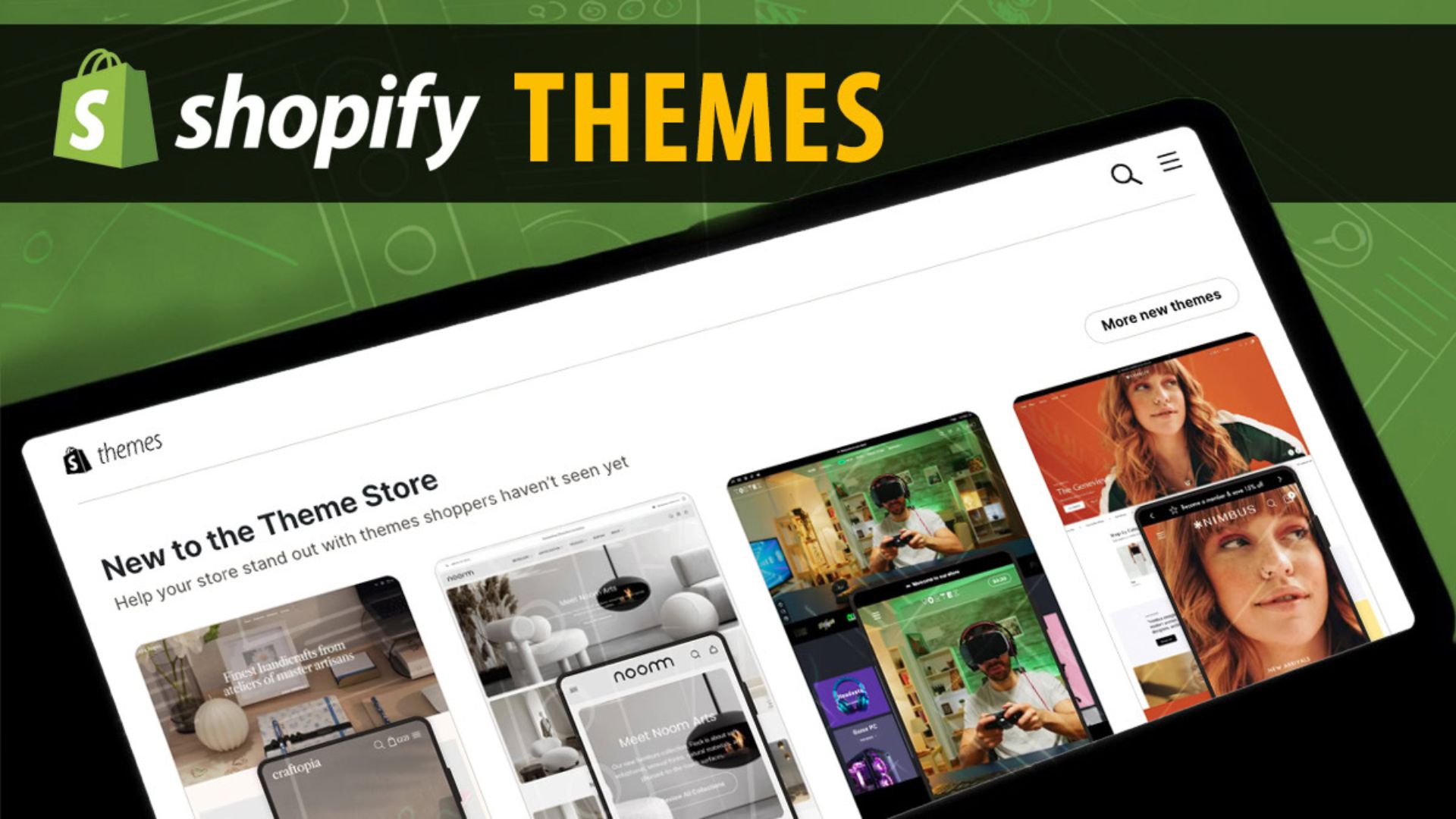
Choosing a store design sounds easy until you open the theme store. One design looks modern. Another looks faster. A third has huge images, fancy menus, and a homepage that feels like a big brand. But the right theme is not only the one that looks pretty. It should help shoppers understand your products, trust your store, and buy without feeling lost. Shopify themes control many parts of your store, from product pages to mobile layout. So, your theme is not just decoration. It is part of your sales system. A good choice can make your store feel simple, safe, and ready for real customers.
I have seen many new store owners choose a theme only because the demo looks beautiful. Then they add their own photos and wonder why the store feels weak. The demo had perfect images, short product names, and polished copy. Real stores are different. A clothing shop, skincare brand, home décor store, and one-product store all need different layouts. This guide keeps things simple. You will learn how to judge a theme like a store owner, not just like a designer. The goal is not to impress other sellers. The goal is to help normal shoppers move from “just looking” to “yes, I want this.”
What Are Shopify Themes?
Shopify themes are ready-made store designs that decide how your online shop looks and feels. They shape your homepage, product pages, collection pages, cart, blog, menus, and footer. Think of a theme like the layout of a real shop. It tells customers where to look first, where to find products, and how easy it feels to move around. A good layout makes shopping feel smooth. A messy layout makes people leave, even if the products are great. Your theme does not replace your brand. It supports your brand through structure, spacing, images, buttons, and content blocks. Your logo, voice, offers, and photos still do the main storytelling.
Why Your Theme Matters More Than You Think
A theme can change how people feel about your store within seconds. When shoppers land on your site, they ask quiet questions in their mind. Is this store real? Can I find what I need? Does this product look worth my money? Shopify themes can help answer those questions when the layout is clean, fast, and easy to follow. Your theme also affects your daily work. Some designs are simple to edit every week. Others need more apps or coding. A simple theme you can control is often better than a fancy theme that creates stress later. A store should feel easy for shoppers and manageable for you.
Free Shopify Themes: Are They Good Enough?
Free Shopify themes can be a smart choice for beginners, small stores, and brands that want to launch without spending extra money. They are usually clean, simple, and easy to edit. For a small catalog with strong photos and clear product details, free can look professional enough to start selling. The main limit is flexibility. Free options may have fewer built-in layouts, fewer special sections, and fewer advanced selling features. That does not make them bad. It only means you should match them with your needs. If your store needs basic pages, free may work well. If you need advanced filters, mega menus, lookbooks, or special product blocks, you may need more power.
Best Shopify Themes: What “Best” Really Means
The best Shopify themes are not always the most expensive ones. The best theme is the one that fits your products, customers, and business goal. A fashion brand may need strong photos, size guides, color swatches, and clean collection pages. A skincare store may need ingredient blocks, routine steps, reviews, and trust sections. A tech accessory store may need comparison tables, clear specs, and strong product details. Do not ask only, “Does this look nice?” Ask, “Does this help my customer buy?” Pretty design is helpful, but useful design brings better results. When in doubt, choose clarity over decoration. Clear pages usually sell better than confusing fancy pages.
Use a Shopify Theme Detector for Research
A Shopify theme detector can help you study stores you like. In most cases, you paste a store link into the tool, and it tries to find the theme name. This is useful when you see a layout that feels clean, simple, or strong in your niche. It gives you a starting point for research. Still, do not copy another store blindly. A detector may not show custom code, extra apps, or edited sections. Two stores can use the same base theme and still look very different. Use the tool like a clue, not a final answer. Learn what works, then build your own version.
Match the Theme With Your Product Type
Your product type should guide your theme choice. If you sell fashion, your store needs strong image areas, simple size help, color options, and easy collection browsing. If you sell home décor, shoppers may want lifestyle photos, room ideas, texture details, and filters by color or material. If you sell skincare, product education becomes more important. You may need benefit sections, ingredient details, routine steps, and proof. For one-product stores, keep the journey focused like a sales page. For large stores, menus, filters, and search matter more. A beautiful homepage cannot save a store where people cannot find items. Your theme should match the way buyers naturally shop.
Test the Mobile Layout First
Most shoppers visit online stores from a phone, so mobile design matters a lot. Before choosing from Shopify themes, open the demo on your phone and shop like a real buyer. Check the menu, product photos, buttons, cart, and footer. Try to add a product without thinking too hard. If the button is hard to see, the text is tiny, or a popup blocks the screen, that is a warning sign. Mobile shopping should feel calm and simple. Product photos should load well. Important details like delivery, returns, and payment options should be easy to find without zooming or hunting.
Look for Features That Help Sales
Good Shopify themes often include features that reduce doubt and support buying. These can include product tabs, image zoom, quick view, sticky cart buttons, filters, promo banners, trust badges, and recommended products. These features help because shoppers want fast answers. They want to know what the product is, why it is useful, when it arrives, and what happens if they do not like it. Do not chase every feature, though. Too many moving parts can make your store feel noisy. Choose features that fit your product. A size chart helps clothing. Ingredient blocks help skincare. Comparison sections help electronics. Every feature should make the buyer feel more confident.
Speed, SEO, and Clean Design Matter
A slow store can hurt trust because people do not like waiting. Big images, heavy videos, too many apps, and messy layouts can make pages feel slow. Your theme is only one part of speed, but it is an important part. Choose Shopify themes that feel light, clean, and stable in the demo. Then keep your own store simple by using compressed images and only the apps you truly need. SEO also starts with clear structure. Your theme should support readable text, clean headings, simple navigation, image alt text, helpful collection pages, and product details that answer real buyer questions.
Do Not Choose by Demo Beauty Alone
Demo stores are made to impress you. They often use perfect photos, short product names, matching colors, and high-end copy. Your store may have different images, longer names, mixed product types, and real customer questions. This is why demo beauty can trick you. Before you decide, test the theme with your own products. Add a few sample items, real photos, real descriptions, and real menu names. Then preview the homepage, product page, collection page, and cart. This gives you a more honest view. Also check support notes, update history, and reviews when available. You may depend on this theme for a long time.
Think About Apps Before You Install Them
Apps can add power to your store, but they can also add weight. Many beginners install review apps, popup apps, bundle apps, tracking apps, upsell apps, currency apps, and page builders all at once. Then the store becomes slower and harder to manage. Some Shopify themes already include features you may otherwise add through apps, so check the built-in options first. A smart rule is simple: install an app only when it solves a real problem. Reviews can help trust. A size chart can reduce returns. Email capture can support future sales. Random popups and flashing bars can hurt the buying experience.
Build Trust Into the Page Layout
Trust is not built by one badge. It comes from many small signals working together. Your theme should make those signals easy to see. Product pages should show clear photos, honest descriptions, shipping details, return policy, customer reviews, secure payment signs, and contact options. These things tell shoppers that the store is real and safe. Also add human details where possible. Share a short brand story. Show real product photos. Explain who the product is for. Add care tips, size help, or usage advice. This is where helpful content matters. You are not just filling a page. You are helping a real buyer decide.
When Should You Pay for a Premium Theme?
A premium theme can be worth it when it saves time, reduces app needs, or gives your store a better shopping experience. If you have a growing catalog, strong product photos, special product needs, or a serious brand plan, paying for a theme may make sense. It can give you more sections, better filters, advanced product layouts, and more design control. But do not buy a premium theme only because you think free looks cheap. A free theme with clear content can beat a paid theme with messy content. Spend money when you know what problem the paid theme will solve.
Simple Checklist Before You Publish
Before you publish, review your store like a customer. Start from the homepage and move toward checkout. Check if the main offer is clear. Open the menu. Visit a collection. Open a product. Add it to the cart. Read the cart page. Test everything on mobile. If anything feels confusing, fix it before sending traffic. Also ask someone who does not know your store to test one task, like finding a product and adding it to cart. Watch where they pause. Their confusion is useful. Store design is not about showing off. It is about making the buying path easy.
FAQs About Shopify Store Themes
Are free Shopify themes good enough for beginners?
Yes, they can be good enough for beginners. A free theme is often a smart starting point when you want to launch fast, test products, and avoid extra cost. The key is to use strong photos, clear product names, helpful descriptions, and simple navigation. A free theme will not fix weak products or poor content, but it can give you a clean base. Start with free if your needs are basic. Upgrade later when you know what your store is missing. This way, you spend money after learning, not before understanding your real needs. It is a safer path for new sellers.
How do I find the best Shopify themes for my niche?
Start by looking at how your customers shop. A fashion store needs images, size help, and easy collection browsing. A beauty store needs trust, routine steps, and ingredient details. A home décor store needs lifestyle photos and useful filters. Once you know the shopping journey, test theme demos with that journey in mind. Do not choose only by homepage design. Check product pages, mobile layout, collection pages, cart, and support options. The right theme should make your products easier to understand and buy, not just make your store look trendy. Your niche decides the layout more than your personal taste.
Is a paid theme always better than a free theme?
No, a paid theme is not always better. Paid themes can offer more layouts and features, but they still need good content. A clean free theme can work better than a crowded paid one. The real question is simple: does the theme solve your store’s needs? If you need advanced filters, deeper product pages, or more built-in sections, paid may help. If your store is simple, free may be enough. Choose based on use, not price. A smart store owner pays for value, not just for a premium label. Good content and clear navigation still matter more for trust.
Can changing my theme hurt my store?
Yes, it can cause problems if you change without testing. Your products will stay in Shopify, but layouts, sections, menus, apps, and custom code may behave differently. Always preview the new theme before publishing. Check product pages, cart, checkout path, mobile layout, tracking, and important apps. Also keep your old theme as a backup, so you can return if something breaks. A theme change can improve your store, but only when done carefully. Test the journey like a real shopper before customers see the new design. Never treat theme switching like a one-click decoration change, because small layout breaks can quietly cost sales.
What is the safest way to use a theme detector?
Use it for research, not copying. A detector can show you what theme another store may use. That helps when you like a layout and want to study it. But the result may not include custom code, apps, or major edits. So, treat the answer as a clue. Visit the theme demo, check the features, and decide if it fits your own brand. Your store should still feel original, helpful, and honest. Inspiration is fine. Copying another store’s full look can make your brand feel weak. Use research to understand patterns, then add your own identity and customer promise
How many apps should I use with my theme?
Use as few as you can while still giving customers what they need. Every app should have a clear job. Reviews, email signup, size charts, bundles, and search tools can be useful when they match your store. But too many apps can slow things down and make the design messy. Start with the basics. Add more only when you see a real need. A clean, simple store is often better than a store full of distractions. The goal is not to add more tools. The goal is to make buying easier. Simple usually wins when it serves the customer well.
Conclusion: Pick a Theme That Helps People Buy
Choosing a theme is not about finding the fanciest design. It is about building a store that feels clear, trusted, and easy to shop. Shopify themes give you the structure, but your products, photos, words, and offers bring that structure to life. Take your time. Test demos. Preview on mobile. Check product pages. Think about your real customer, not just the homepage screenshot. The best store design feels almost invisible. Shoppers simply understand the product, trust the store, and move forward. If you keep the customer first, your theme choice becomes much easier. Keep improving after launch by watching real customer behavior.








Leave a Reply