
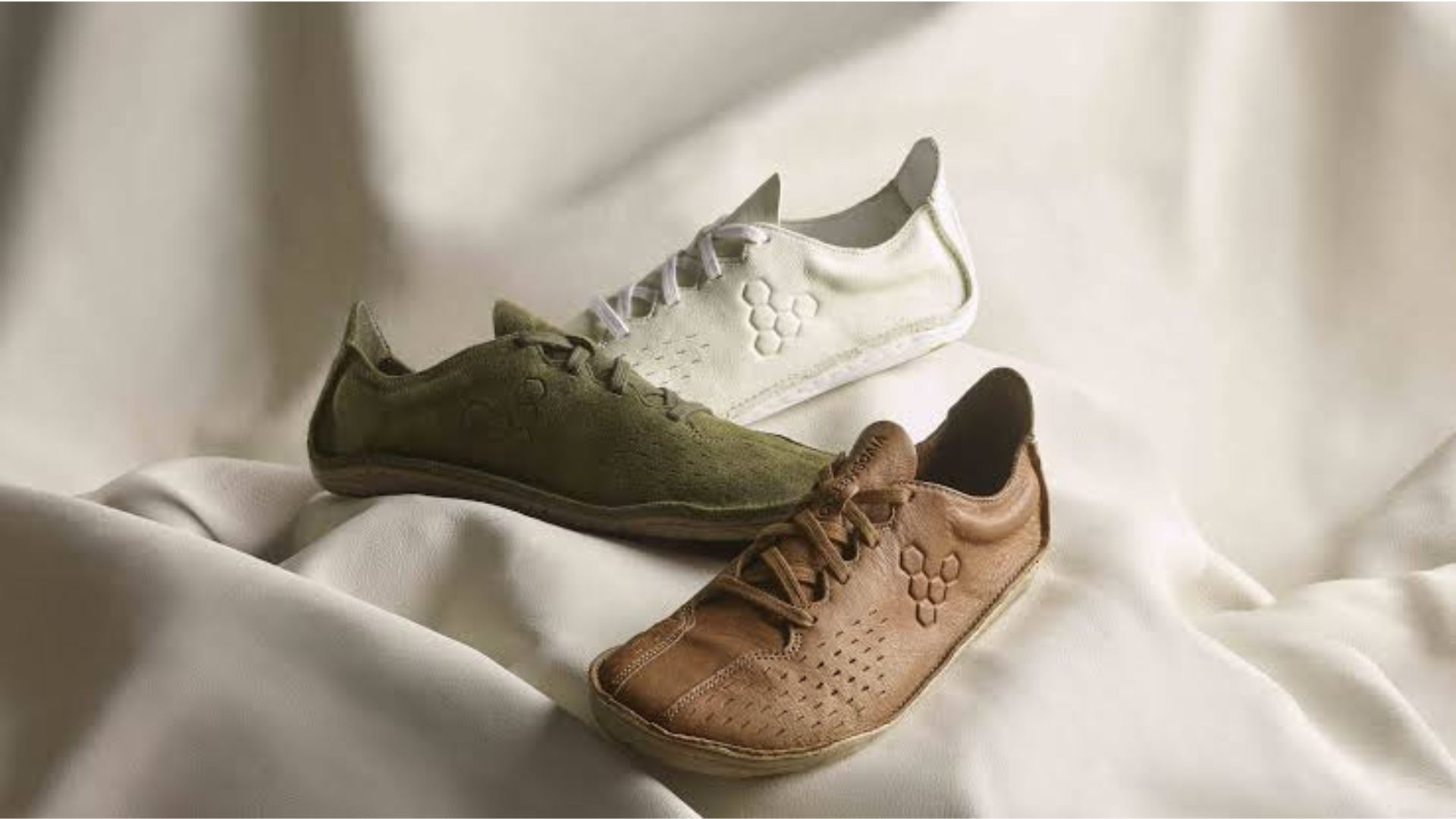
Most sneakers place thick foam, firm support, and narrow shapes around your feet. Barefoot footwear takes a different path. It gives your toes more space and places your feet closer to the ground. A vivobarefoot sneaker follows this simple idea. It is usually wide, thin, flat, and flexible. These features allow your feet to move with fewer limits. However, the different feeling can surprise first-time users. The shoes may feel less soft than regular trainers. Your feet and lower legs may also work harder. This guide explains what buyers should know before changing footwear. It covers fit, comfort, walking, training, running, care, and popular models. It also reviews the available research without making false medical promises. The goal is to help you decide whether this footwear style suits your feet and daily routine.
What Is a vivobarefoot sneaker?
A vivobarefoot sneaker is a minimalist shoe designed to feel closer to walking barefoot. It still protects your skin from rough ground. However, it removes many features found in standard athletic shoes. Most models have a wide front section for natural toe movement. They also use thin soles with little or no raised heel. The shoes bend easily across several directions. Vivobarefoot describes its footwear through three main qualities: wide, thin, and flexible. These features aim to support natural movement and stronger sensory feedback. The range includes casual shoes, training footwear, running models, and outdoor options. Some shoes use leather, while others use knitted or synthetic uppers. The correct model depends on your activity, climate, and preferred ground feel.
The Core Design of a vivobarefoot sneaker
The design looks simple, but every part serves a purpose. A vivobarefoot sneaker has a foot-shaped outline instead of a pointed front. Its flat platform keeps the heel and forefoot at similar heights. A thin outsole lets the foot notice changes beneath it. Flexible materials allow the toes and midfoot to bend during movement. These qualities differ from thick running shoes with raised heels and stiff foam. Minimalist footwear also avoids large arch structures in most cases. The foot must manage more of its own movement and stability. This design does not automatically make the shoe better for every person. It simply creates a different experience. Some users enjoy the freedom and ground contact. Others prefer more cushioning or support. Your comfort, health, and activity should guide the choice.
Why the Wide Toe Box Matters
Many traditional shoes become narrow near the toes. This shape can press the smaller toes inward. It may also reduce space around the big toe. The front of a vivobarefoot sneaker is wider and more foot-shaped. This allows the toes to spread while standing, walking, or training. Toe space can create a broader base on the ground. It can also reduce rubbing caused by narrow footwear. However, a wide toe box should not mean a loose heel. Your heel should stay secure during normal movement. Your foot should not slide forward inside the shoe. People with narrow feet may need careful lacing or another model. Those with very wide feet should still check measurements. “Wide” is not the same for every brand or foot. Vivobarefoot says its foot-shaped fit lets the toes provide a stable base.
How Thin Soles Change the Walking Experience
The thin sole creates one of the biggest differences. A vivobarefoot sneaker lets you feel more detail beneath each step. You may notice small stones, floor edges, and changes in surface texture. This information is often called ground feedback. Thick foam hides much of that detail. A thin sole does not mean walking without protection. The outsole still creates a barrier between your foot and the ground. Yet sharp objects and hard impacts may feel more noticeable. The Primus Lite IV, for example, uses a lightweight 2mm performance outsole. Its tread is designed for urban movement and multidirectional grip. Other models have different sole depths and tread shapes. More ground feel may suit daily walking and controlled training. Rough trails may require deeper lugs and extra protection.
Understanding the Zero-Drop Shape
Zero-drop footwear keeps the heel and forefoot at the same basic height. Standard sneakers often raise the heel above the toes. That difference can change how the foot, ankle, and lower leg work. Flat shoes encourage a more level standing position. They may also place more demand on the calf and Achilles tendon. This demand can feel unusual during the first few weeks. People coming from high-heeled running shoes should avoid sudden changes. A flat design is not automatically painless or safer. Your body may need time to adapt. Vivobarefoot describes its models as thin and zero-drop. The company also recommends a sensible transition instead of immediate heavy use. Begin with easy walking before adding long runs or hard workouts. Stop when discomfort becomes sharp or continues after rest.
Does a Barefoot Sneaker Feel Comfortable?
Comfort depends on what your feet already know. A vivobarefoot sneaker may feel roomy, light, and flexible during the first wear. The wide front can feel relaxing for crowded toes. However, the sole may feel firm compared with cushioned trainers. Hard floors can make this difference more obvious. Some models include removable insoles, which can soften the first experience. Others offer very direct ground contact. Comfort also changes with activity. A shoe that feels excellent during lifting may feel demanding during long city walks. New users should separate unusual sensations from actual pain. Mild muscle tiredness may happen during adaptation. Sharp pain, numbness, swelling, or lasting soreness needs attention. Comfortable barefoot footwear should fit securely without pressing the toes. It should also match the surface and distance you plan to cover.
How to Choose the Correct Size
Correct sizing is essential because barefoot footwear uses a different shape. A vivobarefoot sneaker may look larger near the toes than your usual shoes. That space is intentional. Vivobarefoot recommends beginning with your normal shoe size. The company also notes that its footwear may feel more spacious at first. Measure both feet because one foot may be longer. Take measurements while standing and wearing your usual socks. Leave enough room for the toes to move forward naturally. However, avoid excessive space that causes sliding. Check the heel during walking and quick direction changes. It should not lift heavily. Width matters as much as length. A model can be long enough but still feel wrong around the midfoot. Fit is personal, so use the brand’s current sizing guide before ordering.
Socks, Insoles, and Internal Space
Socks can change the fit more than many buyers expect. Thick socks take up space around the toes and midfoot. Thin socks preserve more room and ground feedback. Choose socks based on weather, activity, and shoe volume. Some people prefer toe socks because each toe can move separately. Regular socks can also work when they do not squeeze the toes together. Removable insoles offer another adjustment. Keeping the insole may provide warmth and a softer first experience. Removing it can increase internal space and ground feel. Do not remove parts that the manufacturer says must remain inside. The shoe should still feel secure after any change. Test each setup during short indoor walks. This helps you find pressure points before longer use. Remember that feet may swell during warm weather or extended walking.
Are They Good for Everyday Walking?
A vivobarefoot sneaker can work well for commuting, shopping, travel, and casual walks. The flexible build allows easy movement during daily tasks. The wide front may suit people who dislike narrow casual shoes. Yet walking distance matters. A short office walk places different demands on the body than a full sightseeing day. New users should avoid wearing minimalist shoes for every waking hour immediately. Begin with thirty minutes or another comfortable period. Add time only when your feet feel normal afterward. Hard concrete may feel more demanding than grass or indoor flooring. Carry your old shoes during longer early outings. This gives you a backup when your feet become tired. Everyday use becomes easier when the transition is patient. The goal is steady adaptation, not proving how much discomfort you can tolerate.
Is a vivobarefoot sneaker Good for Gym Training?
A vivobarefoot sneaker may suit strength training, calisthenics, mobility work, and controlled gym sessions. A flat sole can provide close contact with the floor. The wide toe area may also create a stable base. However, each activity has different safety needs. Vivobarefoot’s Motus Strength II targets demanding gym work. Its outsole has a 2mm base and 1.5mm lugs. Higher sidewalls support lateral movements and changes in direction. The company positions it for lifting, sled work, rope climbs, and conditioning. A general lifestyle model may not offer the same side protection. Heavy lifting also requires skill, suitable equipment, and safe gym rules. Footwear cannot correct poor technique. Choose a training model built for your movements. Replace it when the outsole loses grip or the upper no longer holds your foot securely.
Can You Run in Vivobarefoot Shoes?
Some models are designed for running, but adaptation remains important. The thin platform can change how forces move through your feet and legs. A vivobarefoot sneaker may encourage shorter steps and greater awareness of landing. However, buying minimalist shoes does not guarantee good running form. A sudden switch can overload tissues that are not ready. Start with walking and basic foot exercises. Then add very short running periods on a forgiving surface. Keep your normal running shoes available during the transition. Increase only one factor at a time. That factor could be speed, distance, or frequency. Do not increase all three together. The Primus Flow uses a very thin, lightweight outsole for speed and agility. Trail models use deeper tread for outdoor grip. Choose a model that matches your terrain and experience.
Popular Vivobarefoot Models and Their Uses
Different models serve different users. The Primus Lite IV is a flexible performance option for training and urban movement. Its outsole uses a 2mm base with a low sidewall. The Primus Lite Knit adds a softer knitted upper around a similar sole idea. The Geo Court IV offers a cleaner casual look. It uses soft, chrome-free leather for everyday wear. The Motus Strength II targets harder gym sessions and sideways movement. Primus Trail models add deeper lugs for firm outdoor ground. Primus Flow focuses on lightweight running and quick movement. The best vivobarefoot sneaker is not always the newest model. It is the shoe that matches your main activity. Avoid choosing only by appearance. Check outsole design, upper material, weather protection, and internal fit. Product ranges change, so confirm current details before purchasing.
How to Transition Without Doing Too Much
Transition slowly, even when the first walk feels easy. A vivobarefoot sneaker asks your feet and lower legs to work differently. Start with short periods at home or during simple errands. Wear your old shoes for the rest of the day. Increase barefoot-shoe time only when your body feels comfortable. Gentle calf raises, toe control, and balance exercises may support the process. Avoid forcing your toes into extreme stretches. Do not copy another person’s transition schedule. Training history, age, body weight, injuries, and foot strength all matter. Runners may need several months before completing normal distances. Walkers may adapt sooner, but this is not guaranteed. The company recommends a gradual transition. Independent health guidance also supports beginning with short, low-intensity sessions.
What Research Says About Minimalist Footwear
Research offers promising findings, but it does not support every marketing claim. One 2021 study found improved foot strength after six months. Participants used minimal footwear during daily activity. Average foot strength increased by 57.4% in that study. An earlier trial found minimalist walking comparable with foot exercises for certain strength measures. These results help explain interest in the vivobarefoot sneaker category. However, one study cannot prove the same benefit for every buyer. Research groups may differ from older adults or people with health conditions. A 2025 systematic review found some improvements in toe strength. Yet it rated much of the evidence as low or very low certainty. More high-quality research remains necessary. Minimalist shoes may support foot use, but they are not guaranteed treatments.
Who Should Be More Careful?
Barefoot footwear is not suitable for every person or every situation. People with current foot pain should seek professional guidance first. The same applies to recent injuries, major balance problems, or reduced foot sensation. Diabetes can sometimes affect nerves and circulation. That can make small injuries harder to notice. People with complex arthritis or serious tendon problems may also need tailored advice. A podiatrist or physical therapist can assess individual needs. Children, adults, and older users should not follow identical transition plans. Workplaces may also require protective footwear with certified toe protection. A thin casual shoe cannot replace safety boots. Outdoor users should consider sharp rocks, heat, cold, and slippery surfaces. Minimal footwear gives more feedback but usually less cushioning. Your health and environment matter more than online trends.
Durability and Expected Lifespan
Shoe life depends on use, walking style, surfaces, and care. A thin sole does not always wear out quickly. However, regular concrete use can create faster tread loss. Dragging the heels also shortens outsole life. Training can damage the upper during rope climbs or floor contact. Choose an activity-specific model when possible. Inspect the outsole for smooth areas and splits. Check whether the upper is separating from the sole. Also inspect the heel lining and lace points. Minor marks do not always affect performance. Serious separation or poor grip creates a safety concern. Rotate footwear when you train often. This gives each pair time to dry. Do not use one lifestyle shoe for every trail and gym session. Better matching can improve comfort and useful life.
Cleaning and Caring for Barefoot Sneakers
Read the care instructions for your exact upper material. Leather, knit, and synthetic shoes need different treatment. Remove loose dirt with a soft brush. Use a damp cloth for light marks. Avoid strong chemicals that may damage glue or surface coatings. Do not place wet shoes against direct heat. High heat can change their shape and weaken materials. Instead, remove the insoles and loosen the laces. Let the shoes dry in moving air. Paper placed inside may absorb moisture. Replace wet paper when needed. Leather models may need a suitable conditioner. Test any product on a small hidden area first. Wash insoles separately when the instructions allow it. Regular cleaning controls odor and prevents dirt from grinding into the upper. Proper drying also helps the footwear last longer.
Weather, Terrain, and Seasonal Use
One minimalist shoe cannot handle every condition equally. Thin casual soles work well on dry streets and indoor floors. Deep trail tread offers better grip on loose ground. Water-resistant uppers may suit light rain, but resistance does not always mean waterproofing. Cold weather creates another challenge. Thin soles and roomy uppers may lose warmth faster. Warm socks and thermal insoles can help when space allows. However, thick socks should not compress the toes. Hot pavement can also become uncomfortable through thin soles. Test surface temperature before long walks. Snow, ice, mud, and wet stone require careful tread selection. The Primus Trail line uses a firm-ground outsole with deeper lugs. Urban Primus models use a lighter tread for smoother surfaces. Match the outsole with the environment rather than relying on one pair everywhere.
Sustainability and the Revivo Program
Vivobarefoot presents sustainability as ongoing work instead of a finished achievement. The company is a certified B Corporation. It also states that its footwear is not fully sustainable yet. That honesty matters because every new shoe requires materials, energy, transport, and packaging. The brand uses different materials across its products, including leather, rubber, cotton, and synthetic components. Its Revivo system aims to keep footwear in use longer. The company also accepts old shoes through selected take-back programs. Availability depends on the buyer’s region. Repairing, cleaning, and reusing shoes can reduce unnecessary replacement. However, no material label makes a product impact-free. Buyers should consider durability, repair options, and actual need. Purchasing fewer useful pairs may be better than chasing every new release.
Main Benefits for the Right User
The strongest benefits come from freedom, space, and ground contact. The wide front allows natural toe placement. The flexible structure bends with the foot. The flat sole removes the raised heel found in many trainers. Thin outsoles provide stronger feedback from the ground. These qualities may support balance awareness and active foot use. The footwear is also lightweight compared with many thick sneakers. Casual models can match everyday clothing without looking like water shoes. Training models provide a stable platform for controlled exercises. Still, these benefits depend on fit and appropriate use. A badly fitted minimalist shoe remains a bad shoe. Buyers should judge comfort over several short sessions. They should also consider their current footwear habits. The right transition can make the experience more enjoyable and safer.
Possible Drawbacks and Limitations
Minimalist footwear has clear trade-offs. Limited cushioning may feel harsh on concrete. Ground objects become easier to notice. Cold surfaces may also feel colder. The wide shape does not suit every foot. Some users may experience heel movement or midfoot looseness. Others may need more space than the brand offers. Premium pricing can also discourage first-time buyers. Thin soles may require careful activity selection. A casual model may not protect against heavy gym equipment. It also cannot replace certified work footwear. Transition takes patience and may involve temporary muscle tiredness. People seeking instant softness may prefer standard cushioned shoes. Fashion choices are wider than before, but some buyers still dislike the foot-shaped outline. Understanding these limits prevents unrealistic expectations. Barefoot shoes are tools, not miracle products.
What to Check Before Buying
Before buying a vivobarefoot sneaker, decide where you will wear it most. Choose lifestyle models for casual streets and offices. Select training footwear for lifting and movement drills. Use trail outsoles for rough outdoor ground. Measure both feet and review the latest size chart. Think about your normal sock thickness. Check whether the insole is removable. Read the upper material and care instructions. Review the return policy for your country. Vivobarefoot currently advertises a 100-day trial in the United States. Regional terms and return costs may differ. Confirm them before ordering. Finally, plan your transition before the shoes arrive. Keep your existing footwear available. A careful purchase is more useful than choosing only by color or social media popularity.
Frequently Asked Questions
Are Vivobarefoot Shoes True to Size?
Vivobarefoot advises customers to begin with their regular shoe size. However, the foot-shaped front may feel wider than standard footwear. That extra room is usually intentional. Your toes should move without touching the front during normal walking. The heel should remain secure and avoid major lifting. Measure both feet while standing because body weight changes foot length. Use the larger measurement when the feet differ. Thick socks and removable insoles can change the fit. Model shapes may also feel different around the midfoot. Review the current size chart before purchasing. Test the shoes indoors before longer use when return terms require clean footwear. Fit should feel spacious without becoming unstable.
Can You Wear Vivobarefoot Shoes All Day?
Experienced minimalist-shoe users may wear them for long periods. Beginners should usually build their wearing time slowly. Start with short walks, indoor use, or simple errands. Check how your feet and calves feel later that day. Also check them the next morning. Increase use when no lasting pain appears. Do not rush because the shoes feel light during the first hour. Hard floors and long standing periods can create extra demand. Keep cushioned shoes nearby during the early transition. Different people adapt at different speeds. Age, activity, injuries, and old footwear habits affect the process. Lasting or sharp pain is not a normal goal. Seek professional advice when symptoms continue.
Do Vivobarefoot Shoes Have Arch Support?
Most Vivobarefoot footwear avoids the large built-in arch structures found in supportive shoes. The design aims to let the foot manage more movement itself. Some models contain removable insoles, but they do not feel like strong medical supports. People used to structured shoes may notice the difference quickly. This does not mean every foot should abandon support. Some conditions need professional assessment and special footwear. Custom orthotics may also change the fit inside a minimalist shoe. Speak with a qualified foot specialist before changing prescribed support. Buyers without known problems can begin gradually and monitor comfort. Footwear should never create numbness, sharp pain, or continuing swelling.
Are Vivobarefoot Sneakers Good for Flat Feet?
There is no single answer for every person with flat feet. Some flat feet are flexible and painless. Others are linked with pain, weakness, arthritis, or tendon problems. A wide and flexible shoe may feel comfortable for some users. Another person may need structured support or custom treatment. The appearance of an arch does not fully explain foot function. Do not use online photos to diagnose yourself. Begin carefully when your feet are currently pain-free. Stop if symptoms develop or become worse. People with ongoing heel, ankle, or arch pain should seek professional guidance. A podiatrist or physical therapist can assess movement, strength, footwear, and activity goals.
Can You Use Vivobarefoot Shoes for Weightlifting?
Certain models are designed for strength and cross-training. Their flat shape may provide close contact with the floor. The wide front may also support toe spreading during stable lifts. The Motus Strength II includes sidewalls and tread designed for harder training. However, no shoe makes poor lifting technique safe. Choose loads that match your ability. Follow gym rules and use suitable equipment. Olympic weightlifters may prefer shoes with raised heels for specific positions. Other lifters may prefer flat minimalist footwear. The correct choice depends on mobility, technique, and training style. Avoid casual models during activities that may damage the upper or expose the foot to heavy impacts.
How Long Does the Barefoot Shoe Transition Take?
There is no universal transition period. Some people adjust to daily walking within several weeks. Runners and long-distance walkers may need several months. The process depends on previous shoes, foot strength, training volume, age, and injury history. Begin with easy sessions and increase one factor slowly. Do not add long distance, high speed, and hard surfaces together. Mild muscle tiredness can happen, but sharp pain needs attention. Keep your old footwear during the transition. Foot exercises may help, but they should also progress gradually. The goal is not reaching barefoot use as quickly as possible. The goal is building comfort without creating an avoidable overload.
Conclusion
A vivobarefoot sneaker offers a different experience from standard cushioned footwear. Its wide front gives the toes room. Its thin sole brings the foot closer to the ground. Its flat and flexible build allows freer movement. These features can suit walking, training, casual wear, and selected running activities. However, the shoes require realistic expectations. New users should transition slowly and select the correct model. They should also stop when pain appears. Research suggests that minimalist footwear may improve certain foot-strength measures. Yet the evidence does not guarantee benefits for everyone. Your health, history, fit, and activity remain important. Measure carefully, read current product details, and begin with short sessions. The best shoe is not the one with the loudest claims. It is the one that supports comfortable and useful movement in your real life.








Leave a Reply