
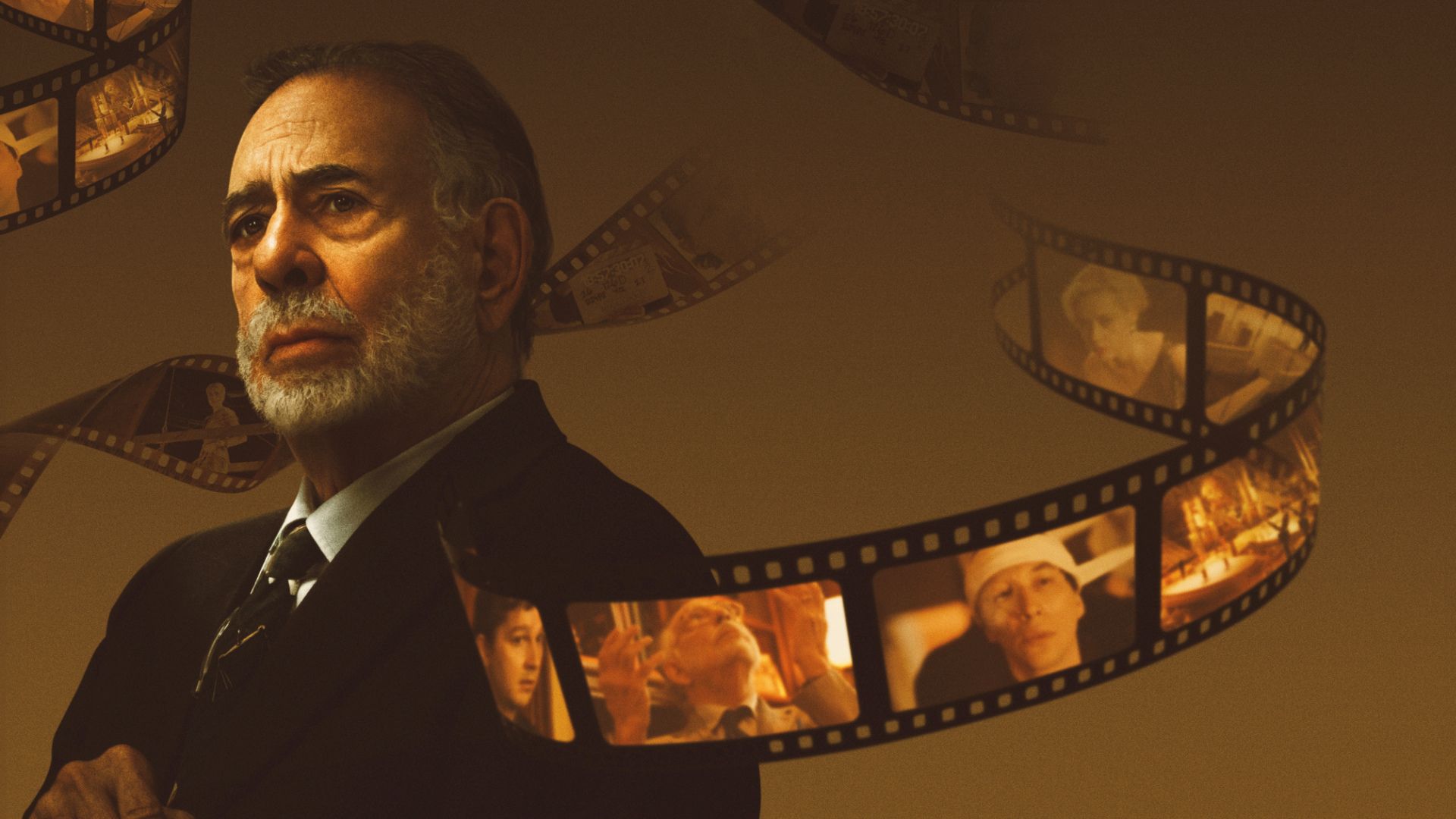
Some films come with stories as compelling as the movies themselves. Francis Ford Coppola spent decades trying to bring Megalopolis to life, eventually funding the ambitious project with his own money. The Megadoc movie, directed by Mike Figgis, captures that journey from the inside. It shows the planning, rehearsals, conflicts, delays, and creative decisions that shaped the film.
Unlike polished promotional features, this documentary feels raw and immediate. It places viewers directly inside the filmmaking process. This guide explains what the Megadoc movie offers, including its background, key figures, themes, strengths, and limitations. It also explores whether you should watch Megalopolis first and where you can stream the documentary.
What Is the Megadoc Movie?
The Megadoc movie is a 2025 documentary directed by Mike Figgis. It follows Francis Ford Coppola during the production of Megalopolis. The film combines behind-the-scenes footage, interviews, rehearsals, and archival material.
Rather than presenting a smooth narrative, the documentary shows filmmaking as a complex and evolving process. Coppola appears as a director pursuing a deeply personal vision, while his team works to bring that vision to life. The film also highlights the pressure of time, budget, and expectations.
The Megadoc movie premiered at the Venice Film Festival on August 28, 2025, and later received a limited theatrical release in the United States.
Megadoc Movie Quick Facts
Mike Figgis directed, filmed, and composed music for the Megadoc movie. Producers include James T. Mockoski and Tara Li-An Smith, with editing by Joe Beshenkovsky.
The documentary features Francis Ford Coppola, Eleanor Coppola, Adam Driver, Aubrey Plaza, Nathalie Emmanuel, Shia LaBeouf, and Jon Voight. It was filmed during the production of Megalopolis in Atlanta and during post-production.
The runtime is approximately 107 minutes. Utopia handled North American distribution, while StudioCanal secured international rights. These details confirm that the Megadoc movie stands as a full feature documentary, not just bonus content.
How the Megadoc Movie Began
The project started with a simple message. Mike Figgis, who knew Coppola through Nicolas Cage, reached out when he heard Megalopolis was entering production. He offered to document the process.
Coppola quickly invited him to Atlanta. Figgis arrived with minimal equipment and began filming without a strict plan. This spontaneous approach shaped the Megadoc movie. Instead of following a scripted outline, Figgis captured events as they unfolded, allowing real tension and unpredictability to appear on screen.
Who Directed the Megadoc Movie?
Mike Figgis is a British filmmaker known for Leaving Las Vegas, which earned Nicolas Cage an Academy Award. He has also directed films like Internal Affairs and Timecode.
His experience gives him a unique perspective on Coppola’s work. In the Megadoc movie, Figgis sometimes appears on camera or narrates, reminding viewers that this is his personal interpretation. While some critics appreciate this honesty, others find it distracting. Still, his insight adds depth to the documentary.
Why Megalopolis Needed the Megadoc Movie
Megalopolis is not a typical studio film. Coppola spent decades developing it, drawing inspiration from ancient Rome to tell a modern story about power, society, and change.
He reportedly invested around $120 million of his own money, making the project highly personal and risky. The Megadoc movie captures this pressure. It shows what happens when one artist controls both the vision and the financial stakes, making every decision more significant.
What the Megadoc Movie Shows Behind the Scenes
The Megadoc movie takes viewers through rehearsals, set construction, interviews, and production challenges. It reveals how large creative ideas become practical tasks.
Actors work to understand their roles, while crew members handle lighting, costumes, and logistics. The documentary highlights how filmmaking requires both artistic vision and organized teamwork. It shows moments of success as well as confusion and miscommunication.
Coppola’s Creative Process in the Megadoc Movie
Coppola approaches filmmaking as a process of discovery. Instead of following a fixed plan, he experiments with ideas through discussion and rehearsal.
The Megadoc movie shows him exploring themes of history, politics, and society. He uses unconventional exercises with actors, which can inspire creativity but also create uncertainty. This balance between freedom and structure is a central theme of the documentary.
Actor Rehearsals and Character Development
The Megadoc movie spends significant time on actor preparation. Coppola encourages experimentation, allowing performers to explore their characters in depth.
Aubrey Plaza appears comfortable with the documentary camera, while others, like Adam Driver, limit their on-camera presence during rehearsals. These differences create an honest portrayal of how actors work. The film shows that strong performances develop through practice, trust, and collaboration.
Conflict in the Megadoc Movie
Creative disagreements play a major role in the documentary. One notable example is the tension between Coppola and Shia LaBeouf. Their debates highlight the challenges of collaboration under pressure.
The Megadoc movie does not simplify these conflicts. Instead, it presents them as part of the creative process. These moments show that great art often emerges from disagreement and compromise.
Eleanor Coppola’s Role
Eleanor Coppola appears in the Megadoc movie, adding emotional depth. She previously documented the making of Apocalypse Now in Hearts of Darkness.
Her presence connects past and present, showing how Coppola’s creative journey continues across decades. Since she passed away in 2024, her appearances carry additional significance.
Comparison to Hearts of Darkness
The Megadoc movie is often compared to Hearts of Darkness. Both documentaries explore Coppola’s work during challenging productions.
However, they differ in perspective. Eleanor Coppola’s film offers a personal family viewpoint, while Figgis provides an outsider’s perspective as a fellow director. Together, they show how Coppola’s projects consistently involve risk and ambition.
Archive Footage in the Megadoc Movie
The documentary includes archival material from earlier attempts to develop Megalopolis. This includes a 2001 table read featuring actors like Robert De Niro and Uma Thurman.
These scenes show how the project evolved over time. They add historical context and demonstrate Coppola’s long commitment to the film.
Visual Style of the Megadoc Movie
The Megadoc movie uses a handheld, close-up style. Figgis kept his setup minimal to move freely on set.
This approach creates an immersive experience but can feel rough or unpolished. While some viewers appreciate the realism, others may find it confusing. The style reflects the unpredictable nature of the production.
Themes: Art, Money, and Risk
The Megadoc movie explores the relationship between creativity and financial risk. Coppola’s decision to fund Megalopolis himself gives him freedom but also increases pressure.
The documentary shows how artistic ambition often clashes with practical limitations. This theme makes the film relevant beyond cinema, as it reflects challenges faced in many creative fields.
Is the Megadoc Movie Complete and Fair?
The documentary focuses mainly on the creative process. It does not fully address all controversies surrounding the production.
Some critics argue that it avoids certain issues, while others believe it remains honest within its scope. The Megadoc movie should be viewed as one perspective rather than a complete account.
Critical Reception of the Megadoc Movie
Reviews of the Megadoc movie have been generally positive. Critics praise its access and insight into filmmaking.
However, some note its lack of context and uneven structure. Overall, it is seen as a valuable but imperfect documentary.
Should You Watch Megalopolis First?
Watching Megalopolis first can enhance your understanding of the Megadoc movie, but it is not necessary.
The documentary provides enough context for new viewers. However, seeing both films allows for a deeper comparison between the creative process and the final result.
Who Should Watch the Megadoc Movie?
The Megadoc movie is ideal for film enthusiasts, students, and anyone interested in the creative process. Coppola fans will find it especially engaging.
It may be less appealing to viewers seeking a straightforward biography or a simple narrative.
Where to Watch the Megadoc Movie
The Megadoc movie is available through various platforms, including digital rental services and streaming platforms like the Criterion Channel and Apple TV.
Availability may vary by region, so it is best to check official sources for the latest options.
Lessons from the Megadoc Movie
The documentary offers valuable lessons about filmmaking. It shows the importance of communication, collaboration, and adaptability.
It also highlights the risks involved in pursuing ambitious projects. These insights can apply to many creative fields.
Final Thoughts on the Megadoc Movie
The Megadoc movie captures a unique moment in film history. It shows a legendary director taking a major risk to realize a lifelong vision.
While not perfect, it provides rare insight into the filmmaking process. Its honesty and access make it a valuable documentary.
Frequently Asked Questions
What is the Megadoc movie about?
The Megadoc movie follows Francis Ford Coppola during the making of Megalopolis. It shows rehearsals, production challenges, and creative decisions.
Who directed the Megadoc movie?
Mike Figgis directed the Megadoc movie. He is known for films like Leaving Las Vegas.
Is the Megadoc movie the same as Megalopolis?
No. Megalopolis is a fictional film, while the Megadoc movie is a documentary about its production.
How long is the Megadoc movie?
The Megadoc movie runs for about 107 minutes.
Is the Megadoc movie worth watching?
Yes, especially for viewers interested in filmmaking and Coppola’s work.
Where can I watch the Megadoc movie?
It is available on platforms like the Criterion Channel and Apple TV, depending on your region.
Conclusion
The Megadoc movie is more than a behind-the-scenes feature. It is a detailed look at creativity, risk, and collaboration.
By following Coppola’s journey, it reveals the challenges of bringing a complex vision to life. Watching it alongside Megalopolis offers a deeper understanding of both films.




Leave a Reply