

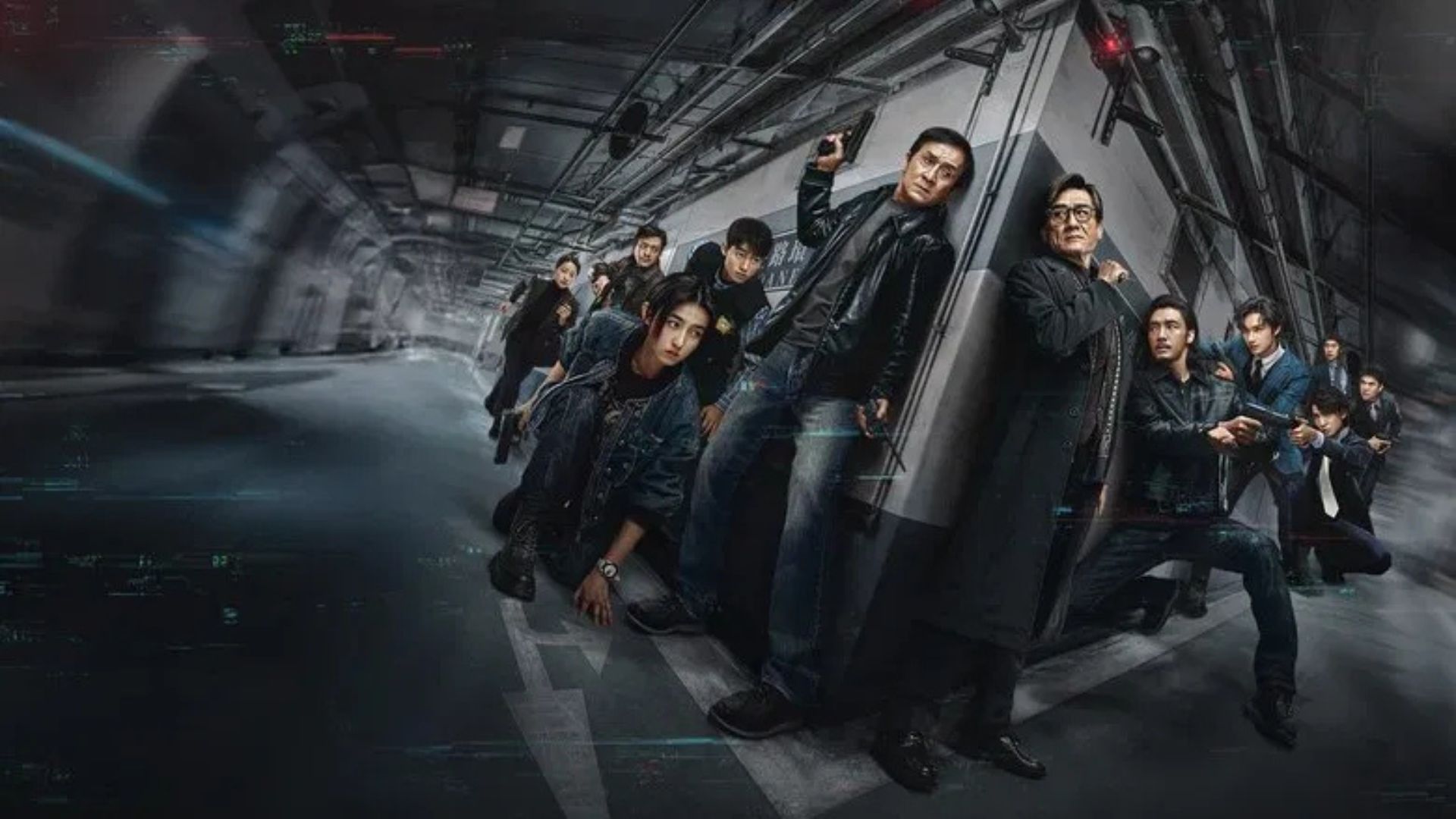
The shadow’s edge brings Jackie Chan back to a tough crime story with modern stakes. The film mixes surveillance, heists, family pain, and close combat. It also places old skills against powerful technology. That idea gives the story more weight than a normal chase movie. Chan plays Wong Tak-Chung, a retired tracking expert. Macau police need his help after clever thieves defeat their digital system. Wong trains a young officer while hunting a feared criminal leader. The result is a tense game between two experienced minds. Director Larry Yang keeps the story moving with action and emotional conflict. Some scenes are loud and fast. Others focus on guilt, trust, and mentorship. This guide explains the film without ruining every surprise. It covers the plot, cast, themes, action, reviews, awards, and possible future. It also helps readers decide whether the movie fits their taste.
What Is The Shadow’s Edge?
The shadow’s edge is a 2025 Chinese and Hong Kong action thriller. Larry Yang wrote and directed the film. Jackie Chan, Zhang Zifeng, and Tony Leung Ka-fai lead the cast. The story follows a retired surveillance expert named Wong Tak-Chung. Police bring him back after a criminal crew steals a huge fortune. The thieves can avoid the city’s advanced “Sky Eye” system. Wong therefore rebuilds an elite tracking team. He relies on patient watching, street knowledge, and human behavior. The official distributor lists a runtime near 141 minutes. It also describes the film as action, drama, and suspense. The movie opened in China during August 2025. Later releases reached Hong Kong, the United States, and the United Kingdom. Its mix of crime, technology, and physical action helped it reach a wide audience.
A Spoiler-Free Plot Summary
The story begins after highly skilled thieves defeat Macau’s digital security network. They vanish with billions and leave few useful clues. The police have cameras, data, and powerful computer tools. Still, the criminal group remains one step ahead. Officials then call Wong Tak-Chung out of retirement. He once mastered the difficult art of human tracking. Wong studies movement, habits, clothing, timing, and small changes in behavior. He also trains rookie officer He Qiuguo. She is talented, determined, and closely linked to his painful past. Their target is Fu Longsheng, known as the Wolf King. He leads a loyal group of adopted sons. The hunt soon becomes personal for both sides. The shadow’s edge turns this setup into a long cat-and-mouse battle. Each side watches, tests, and misleads the other. The official synopsis stresses this clash of brains, loyalty, and surveillance.
The Main Cast and Characters
Jackie Chan plays Wong Tak-Chung, a retired expert with sharp observation skills. Zhang Zifeng plays He Qiuguo, a young police officer under his guidance. Tony Leung Ka-fai plays Fu Longsheng, the hidden criminal mastermind. Ci Sha plays key members of Fu’s adopted criminal family. Wen Junhui also appears as part of the heist crew. Lang Yueting plays a senior police figure involved in the case. The cast creates a clear balance between age and youth. Wong and Fu carry deep experience. Their younger teams bring speed, new tools, and different loyalties. This balance supports the film’s main conflict. It is not simply police against thieves. It is also teachers against students and instinct against systems. The film works best when these character links drive the action. The official distributor highlights Chan, Leung, and Zhang as the central trio.
Jackie Chan’s Performance as Wong Tak-Chung
Jackie Chan gives Wong a tired body but an active mind. The character is older, slower, and shaped by regret. Yet he still notices details that younger officers miss. Chan uses small looks and quiet pauses to show that experience. He also brings his familiar physical creativity into the fight scenes. Everyday spaces become part of the action. Objects, walls, narrow rooms, and moving equipment shape each battle. This style feels different from simple punching or gunfire. It reminds viewers why Chan became a major action star. The Guardian praised his screen presence and inventive fighting. The review also noted that the film gives him regular action moments. However, Wong is not shown as unbeatable. Age affects his movement, choices, and relationships. That makes his victories feel harder earned. The film uses Chan’s real screen history as part of the character’s power.
Tony Leung Ka-fai as the Wolf King
Tony Leung Ka-fai gives the film a calm and threatening villain. Fu Longsheng rarely needs wild behavior to seem dangerous. His control makes him more frightening. He treats crime like a careful family business. His adopted sons depend on him for purpose and belonging. That bond creates loyalty, but it also creates fear. Fu understands surveillance and knows how police systems work. He therefore plans around their habits and technology. His conflict with Wong feels like a chess match between older masters. Both men understand patience, discipline, and human weakness. Yet they use those skills for opposite goals. The Hong Kong Film Awards later honored Leung with Best Actor. The awards body described his character as refined and difficult to read. It also praised the heavy atmosphere created by his presence. His performance gives the movie a strong center whenever the plot grows complicated.
Zhang Zifeng and the Mentor Story
Zhang Zifeng plays He Qiuguo with strength, anger, and growing trust. She is not only a young partner for Wong. Her family history connects her directly to his deepest regret. That link adds tension to their training scenes. She wants knowledge from him, but she also carries unanswered pain. Wong must teach her without controlling her. He must also face mistakes that he avoided for years. Their bond gives the film an emotional path through the larger crime story. It also keeps the age theme from becoming a simple joke. Wong has experience, but Qiuguo brings courage and fresh thinking. Each needs something from the other. The Guardian found Zhang likable and physically convincing. However, it felt some emotional scenes made the film longer. That criticism is fair, yet the relationship still matters. Without it, the story would become a cold series of chases.
Why the Action Scenes Stand Out
The action mixes hand-to-hand combat, tracking, gunfire, chases, and large set pieces. Many scenes use tight spaces instead of empty stages. That choice makes movement feel more dangerous. Fighters must react to doors, pipes, furniture, and narrow paths. Chan’s best action has always used the full environment. This movie continues that tradition while accepting his older age. The fights do not pretend that Wong is still a young athlete. They use timing, planning, balance, and surprise. Younger characters move faster and hit harder. Wong survives through control and experience. The shadow’s edge also gives the villains strong physical ability. This keeps the danger believable. Su Hang’s action choreography later won a Hong Kong Film Award. That result supports the film’s strongest claim. The action is not random noise. It has design, character, and clear movement.
Technology Versus Human Instinct
The movie’s smartest idea is its conflict between machines and human judgment. Macau police trust a powerful surveillance system. It can follow faces, movements, and digital records. The thieves know this system well. They use that knowledge to hide inside its blind spots. Wong offers a different method. He watches how people behave when they feel safe. He studies small habits that data may ignore. The story does not claim technology is useless. It shows that tools become weak without skilled people. It also warns against blind trust in systems. Far East Film noted that Larry Yang rewrote most of the earlier story. The new version directly asks whether human instinct still matters. That question feels timely because modern cities collect huge amounts of data. The shadow’s edge gives a simple answer. Technology can widen vision, but people must still understand what they see.
Macau as More Than a Background
Macau gives the film a bright, crowded, and changing visual world. Luxury hotels stand near older streets and tight neighborhoods. That contrast supports the story’s themes. The police use modern systems, yet the hunt often moves through human spaces. Crowds can hide a suspect better than darkness. Casinos and hotels also create natural places for money, security, and deception. The city therefore feels useful to the plot. It is not only a pretty background. Production reports say filming took place in Macau after long location planning. The crew used real spaces to shape several action ideas. This approach helps the city feel active. Streets, service areas, rooftops, and public paths all affect movement. The thriller becomes stronger because its setting creates choices for both sides. Wong reads the city like a living map. Fu treats it like a system that can be fooled.
Connection to Eye in the Sky
The movie is a modern reworking of Eye in the Sky, released in 2007. That Hong Kong crime film also focused on surveillance and patient tracking. Tony Leung Ka-fai played the villain in the earlier film. His return creates a clear link between both versions. However, Larry Yang did not simply copy the original plot. Festival notes describe the new film as a major reinterpretation. It adds artificial intelligence, larger action scenes, and stronger generational conflict. The story also expands its emotional relationships and criminal family. A Korean adaptation, Cold Eyes, appeared in 2013. This history shows why the basic idea remains useful. Surveillance stories change as technology changes. The shadow’s edge updates the question for a world filled with cameras and algorithms. Viewers can enjoy it without seeing the earlier films. Fans of the original may notice repeated ideas, changed roles, and new scale.
Direction, Pacing, and Runtime
Larry Yang directs the film with energy and large ambition. He moves between quiet watching, emotional scenes, and explosive action. At its best, this rhythm builds strong tension. A calm detail can later become an important clue. A training scene can prepare viewers for a larger chase. However, the movie runs for about 141 minutes. That length creates some pacing problems. Several reviewers felt the story carried too much explanation and melodrama. The Guardian called parts of the plot overly complicated. The South China Morning Post also praised the action while noting emotional excess. These concerns matter because the film has many characters and shifting loyalties. Some viewers may lose track of smaller details. Still, the long runtime allows the rivalry to grow slowly. The film feels more like a full crime saga than a quick action movie. Patient viewers may enjoy that scale.
The Film’s Main Themes
The story explores age, guilt, loyalty, family, and control. Wong must accept that experience does not remove past mistakes. Qiuguo must decide whether anger can exist beside trust. Fu builds a criminal family through loyalty and fear. His sons must choose between personal survival and group duty. The police also face a wider question about control. Their system can watch many people, but it cannot fully understand them. This creates a theme about knowledge without wisdom. Another theme concerns replacement. Younger people fear old methods are outdated. Older people fear new systems have removed their value. The film rejects both extremes. Progress works best when generations learn together. The story makes this message clear through action, not speeches alone. Wong cannot win without younger partners. They cannot succeed without his attention and patience. That balance gives the story a hopeful idea beneath its violence.
Reviews and Audience Response
Critical response was generally positive, but not fully united. Many reviewers praised the action, Chan’s presence, and Leung’s villain. Some also admired the clash between old surveillance methods and new technology. IFFR called the police action engaging and refreshingly analogue. The Guardian enjoyed Chan’s inventive combat but criticized the crowded plot. The South China Morning Post gave the film three stars. It praised the action while finding parts too melodramatic. Rotten Tomatoes collected favorable comments that called it an entertaining return to form. These reactions show a clear pattern. The shadow’s edge works best for viewers who value action craft and strong screen rivals. It may work less well for viewers who want a short, simple story. The film asks audiences to follow many characters and plans. Its emotional scenes also slow the main chase. Those weaknesses are real, but they do not erase its strongest moments.
Box Office Success and Awards
The film became a strong commercial success in China. Screen Daily reported that it reached the top global weekend chart during its third weekend. At that point, its total had reached about $108 million. Later reports placed its China total even higher. Variety also reported three straight weekends at number one in China. Commercial success helped the film travel to more international markets. Awards recognition followed in 2026. The Hong Kong Film Awards gave Tony Leung Ka-fai Best Actor. Su Hang also won Best Action Choreography. The film received other nominations, including editing, sound design, and new performer. These results show support for both performance and craft. The shadow’s edge was not only a popular star vehicle. Industry voters also noticed its villain, movement, editing, and sound work.
Who Will Enjoy This Movie?
The movie suits fans of Jackie Chan, Hong Kong crime films, and modern heist stories. It also fits viewers who enjoy slow tracking scenes between large action moments. Fans of Tony Leung Ka-fai will find one of the film’s strongest performances. People interested in surveillance, artificial intelligence, and police methods may enjoy its central debate. The film may be less suitable for viewers wanting light comedy. Chan has humorous moments, but the story stays serious. It may also test viewers who dislike long runtimes or complex criminal groups. The official UK distributor rated the film 15. Parents should check local ratings because standards differ by country. The movie contains frequent fighting, danger, and tense criminal situations. It is designed for older teens and adults rather than young children. Viewers who accept those elements will find a detailed and energetic thriller.
Is a Sequel Coming?
Interest in another film grew soon after the successful release. Variety reported in September 2025 that Larry Yang was already discussing sequel ideas. Later reports said Jackie Chan planned to produce another installment. However, detailed information remains limited. A final cast, release date, and production schedule were not widely confirmed by major official sources. That means readers should treat online casting rumors carefully. The ending leaves room for more conflict, but that does not prove every rumor. A sequel would likely continue the balance between old skills and new threats. It could also explore unresolved character ties. The strong box office and awards make another chapter commercially reasonable. The story has enough world building for a follow-up. Still, the safest position is simple. A sequel has been discussed and planned, but firm public details remain incomplete.
Frequently Asked Questions
What Is The Shadow’s Edge About?
The shadow’s edge follows retired tracking expert Wong Tak-Chung. Macau police call him back after a major digital heist. A skilled criminal crew has defeated the city’s advanced surveillance network. Wong trains a new team and mentors officer He Qiuguo. Their target is Fu Longsheng, also called the Wolf King. He leads a close criminal family with strong counter-surveillance skills. The film becomes a battle between human observation and modern technology. It also explores guilt, trust, age, and loyalty. The story includes large action scenes, but investigation remains important. Viewers watch both sides study and mislead each other. The official synopsis describes it as an intense cat-and-mouse game.
Is the Movie a Remake?
Yes, but “reimagining” is a better word than simple remake. The story comes from Eye in the Sky, a 2007 Hong Kong thriller. Tony Leung Ka-fai also played the main criminal figure in that film. Larry Yang’s version changes much of the story. It adds artificial intelligence, bigger action scenes, and wider family drama. It also updates surveillance for modern cities. Festival notes say the screenplay was heavily rewritten. A Korean version called Cold Eyes was released in 2013. Each film uses the same basic idea in a different way. New viewers do not need to watch either earlier movie first. However, watching them later can show how one idea changes across countries and decades.
Does Jackie Chan Still Perform Action Scenes?
Yes. Jackie Chan takes part in several demanding fight and chase scenes. The movie adjusts the action to suit an older character. Wong uses timing, objects, tight spaces, and careful movement. He does not fight like a young superhero. That choice makes the scenes more believable. Reviews praised Chan’s continued physical skill and inventive style. Production reports also said he performed his own stunt work. However, viewers should not copy dangerous movie actions. Film scenes use planning, trained teams, safety systems, and professional control. The value comes from watching the craft, not repeating it. Chan’s performance works because age becomes part of the action design.
How Long Is the Film?
The official UK distributor lists a runtime of 141 minutes. Other listings vary by one or two minutes. This can happen because of regional versions or listing methods. In practical terms, the movie runs for about two hours and twenty minutes. That is long for a modern action thriller. The runtime allows more character history and criminal planning. It also gives the central rivalry time to develop. However, some critics felt the story became crowded. They pointed to heavy explanation and emotional flashbacks. Viewers who prefer short action movies may notice the length. Those who enjoy detailed crime stories may find the larger scale rewarding.
Is The Shadow’s Edge Worth Watching?
The shadow’s edge is worth watching for strong action and two veteran performers. Jackie Chan brings warmth, regret, and creative physical movement. Tony Leung Ka-fai gives the story a controlled and memorable villain. Zhang Zifeng adds energy and emotional conflict. The surveillance theme also gives the movie a timely idea. Its main weakness is the crowded story. Some scenes explain too much, while others slow the chase. The long runtime may also challenge casual viewers. Still, fans of crime thrillers should find plenty to enjoy. The film offers more than simple fights. It asks how people can outthink systems and each other. Awards for acting and choreography also support its strongest qualities.
Will There Be The Shadow’s Edge 2?
A second film has been discussed, and reports say plans are moving forward. Larry Yang spoke about sequel possibilities after the first film’s success. Later coverage linked Jackie Chan to producing another chapter. However, many online details remain unconfirmed. There is no reason to trust every rumored actor or release date. Film plans can change during writing, funding, and scheduling. The first movie’s box office and awards make a sequel likely. Its ending also leaves room for another story. Fans should wait for announcements from the filmmakers or official distributors. Until then, the most accurate answer is that a sequel is planned, but complete details remain unavailable.
Conclusion
The Shadow’s Edge film succeeds because it understands Jackie Chan’s present strengths. It does not ask him to pretend that time stopped. Instead, it turns age, memory, and experience into action tools. Tony Leung Ka-fai gives him a worthy screen rival. Zhang Zifeng brings a younger view and emotional urgency. The film also uses surveillance as more than a visual trick. It asks whether data can replace patient human understanding. Not every part works perfectly. The plot can feel crowded, and the runtime is long. Yet the best scenes deliver clear movement, tension, and character. The box office success and major awards show that audiences and industry voters noticed those strengths. Crime thriller fans should place the movie on their watchlist. After viewing, compare its technology debate with real modern life. That question may stay with you longer than the final fight.






Leave a Reply