
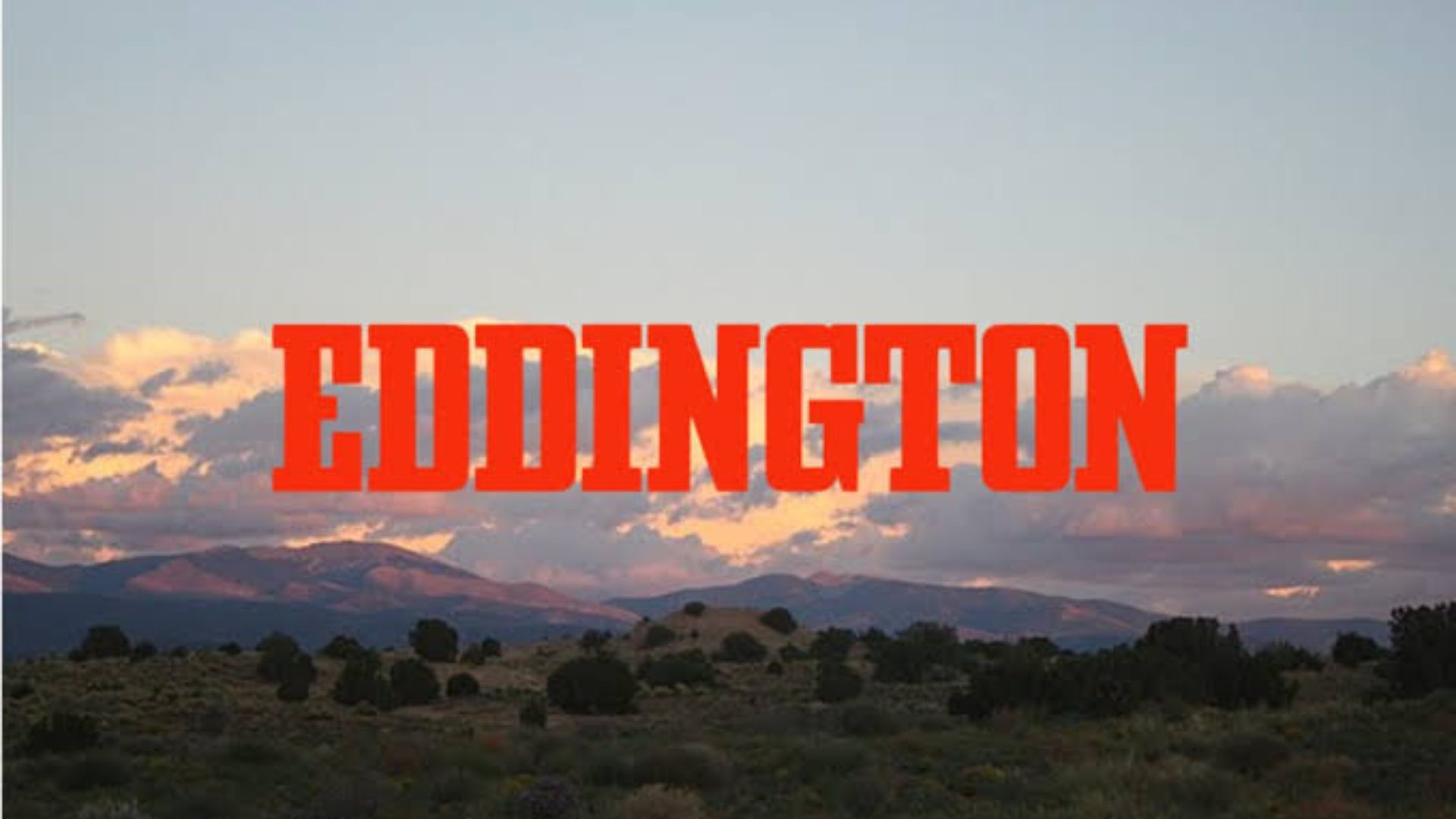
Ari Aster’s Eddington is not a calm film about a calm time. It returns to May 2020, when fear shaped daily life. People argued about masks, power, race, truth, and freedom. A small disagreement could become a public fight within hours. Phones carried every claim further. Old pain also gained new political meaning. This Eddington review explores how Aster turns that period into a modern western. It studies the film’s themes, characters, symbols, ending, and political ideas. It also considers why viewers may strongly disagree about its message. The article contains major spoilers, including details about the final scenes. The film stars Joaquin Phoenix, Pedro Pascal, Emma Stone, Austin Butler, and a large supporting cast. It premiered in competition at Cannes and was presented as a paranoid modern western.
Quick Verdict: Is Eddington Worth Watching?
This Eddington review finds the film bold, difficult, funny, cruel, and often exhausting. Aster does not offer a simple hero. He also refuses to provide one clear villain. Instead, almost every character sees part of the truth. Each person then bends that truth around fear, pain, pride, or desire. This makes the film feel honest about political conflict. It also makes the story hard to follow at times. The film keeps adding new issues, voices, screens, and arguments. Some viewers will admire that crowded style. Others may feel buried beneath it. The strongest idea is clear, however. People cannot solve shared problems without a shared view of reality. Aster builds the whole film around that loss. His town becomes a model of a country that can no longer speak to itself.
The film works best as a warning, not a lesson. It does not explain how America can heal. It shows how easily people can break apart. The dark humor makes that collapse more painful. Many scenes are funny because the characters take themselves very seriously. Yet the same scenes can become violent seconds later. That unstable tone gives Eddington its power. It also creates distance from the characters. Our Eddington review therefore recommends the film to patient viewers who enjoy political satire and moral uncertainty. It may frustrate anyone seeking a focused thriller or a clear political position. Published reactions were deeply divided. Some critics praised its scope and phone-based visual language. Others called it tiring, unclear, and lacking fresh insight.
The Story and Setting of Eddington
The story begins in a fictional New Mexico town during May 2020. Sheriff Joe Cross opposes local mask rules. Mayor Ted Garcia supports them and wants to appear responsible. Their public disagreement soon becomes a mayoral contest. However, their conflict is not only political. Joe carries anger about Ted’s past connection with his wife, Louise. Ted also supports a planned artificial intelligence data center. That project promises jobs and growth. It may also use large amounts of local water and power. These personal, economic, and political tensions slowly combine. The town then becomes divided by pandemic rules, online claims, racial protests, police power, and private grudges. The official press notes describe the setting as a small model of wider American conflict.
A useful Eddington review must notice how small the town feels. Everyone appears close enough to know each other. Yet they rarely understand one another. That contrast drives the story. Eddington has roads, shops, homes, offices, and public meetings. It should feel like a community. Instead, every space becomes a stage for personal display. People record speeches. They post emotional videos. They repeat claims from distant online figures. Local issues soon carry the weight of national conflict. Joe and Ted stop acting like public servants. They become symbols for opposing groups. Their supporters also treat every event as proof of a larger plot. The town is physically small, but its arguments feel endless. That makes Eddington less like a realistic town and more like a sealed pressure chamber.
Eddington as a Modern Western
Aster uses the basic shape of a western. Two powerful men fight for control of a town. One wears a sheriff’s badge. The other leads through political office. Open land surrounds them. Guns, borders, law, land, and public honor matter. However, this is not a classic western about order defeating chaos. The lawman becomes a source of disorder. Public leadership becomes branding. The final gunfight does not restore justice. It destroys any remaining difference between justice and revenge. This Eddington review sees the film as an anti-western. It uses familiar images but removes their moral comfort. Joe may dress like a traditional protector. His actions reveal fear, weakness, and deep selfishness instead. Cannes described the film as a psychological western shaped by paranoia.
The western form also helps Aster compare old weapons with new ones. In past westerns, a gun could control a street. Here, a phone can control the story around that street. Aster described the idea as a western where phones serve as guns. Characters shoot videos rather than bullets during much of the film. They frame events, attack reputations, and create public identities. Later, real gunfire takes over. That shift is important. The online war prepares everyone for physical war. Words make enemies before bullets arrive. The final violence therefore does not feel separate from social media. It feels like the final form of the same behavior. Aster links public posting, rumor, political branding, and armed conflict within one clear visual idea.
The Pandemic as Emotional Pressure
The pandemic is more than a historical background. It changes how the characters see every person and every action. Masks become signs of care for some residents. For others, they represent fear and control. The health debate quickly becomes a test of identity. Joe refuses to view the rule as a temporary public measure. He sees it as a personal attack. Ted treats his support for the rule as proof of responsible leadership. Neither man can discuss the issue without protecting his public image. This Eddington review argues that the film is less interested in masks themselves. It focuses on how fear turns simple objects into political symbols. Aster has called the pandemic an important breaking point in shared reality.
The film also shows fear moving from the body into the mind. At first, people fear illness and physical closeness. Soon, they fear hidden groups, secret plans, public shame, and political enemies. They begin to see danger everywhere. Even useful facts cannot calm them. Every new detail enters an existing story. One person sees government control. Another sees selfish resistance. Another sees corporate greed. These views may contain some truth. The danger begins when each person treats one view as the whole truth. The pandemic creates isolation. Online systems then fill that isolation with constant messages. Aster’s characters do not simply lose trust in leaders. They lose trust in neighbors, partners, and their own memories. The result is not healthy doubt. It is a permanent state of suspicion.
The Collapse of Shared Reality
The central theme is the loss of one shared world. Aster has explained that the characters know something is wrong. However, they disagree about what the problem is. That idea gives the film more depth than a simple left-versus-right satire. Joe fears control and humiliation. Ted fears disorder and political failure. Louise fears a hidden source of trauma. Dawn fears secret networks of abuse and power. Young activists fear racism and moral failure. Each person reacts to a real feeling. Yet those feelings become separate worlds. In this Eddington review, the town’s greatest crisis is not one false claim. It is the loss of any trusted method for testing claims together.
Aster also avoids giving viewers a safe position outside the madness. Some claims are clearly false. Other concerns are partly valid. The mayor’s data center project may create jobs. It also raises real worries about resources and corporate power. Joe lies and commits terrible crimes. Yet he sometimes points toward genuine public anger. The activists speak about real injustice. Some also use the movement for attention or romance. These mixed motives can feel unfair or uncomfortable. That discomfort is part of the design. The film asks whether people can recognize truth when truth arrives through a flawed person. It also asks whether a good cause stays good when people use it for selfish goals. No simple answer survives the story.
Social Media Turns People Into Performers
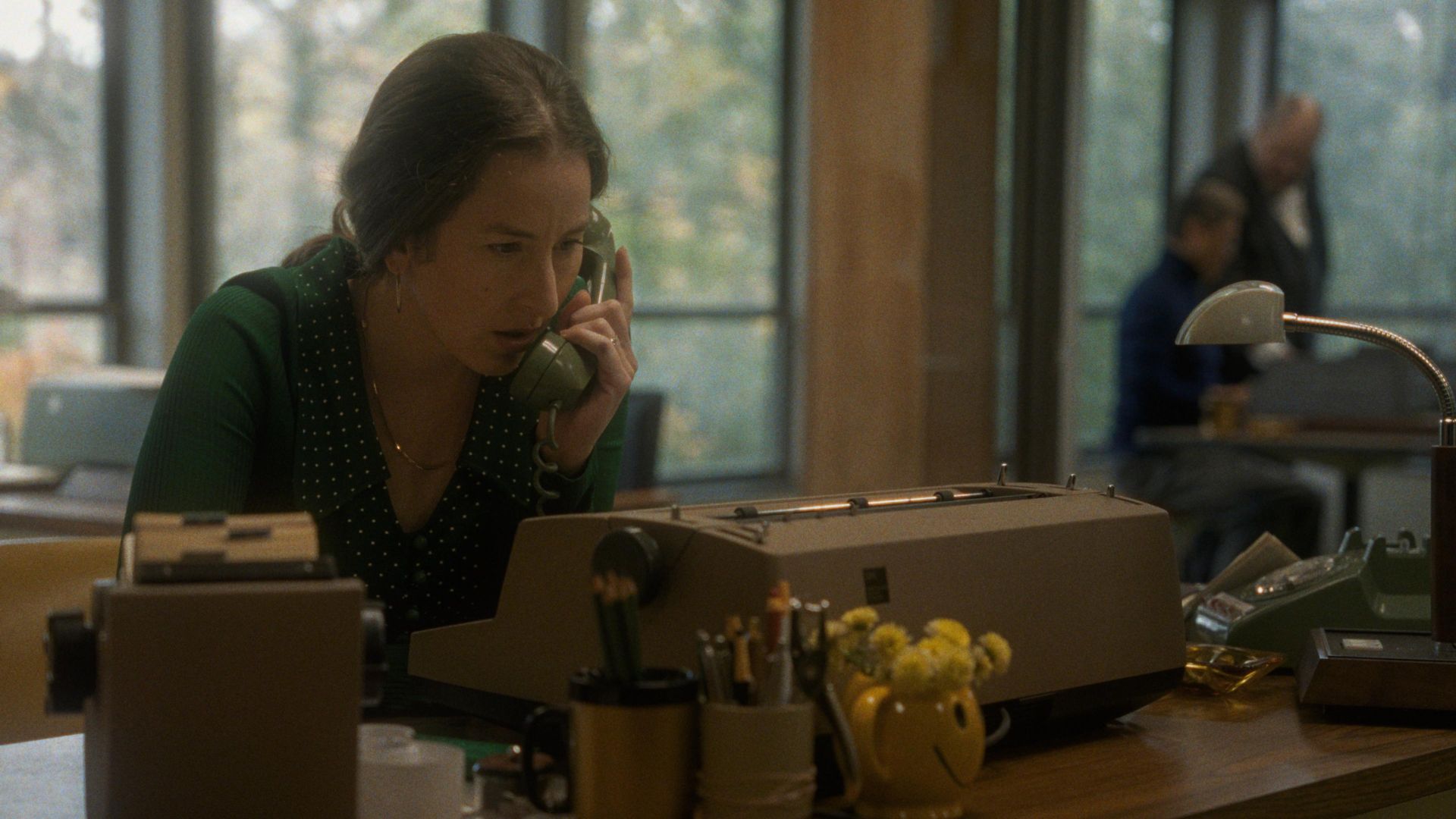
Phones are present throughout the film as tools, mirrors, and weapons. Characters do not only experience events. They imagine how those events will appear online. Joe’s campaign depends on videos and slogans. Teenagers learn political language through screens. Dawn consumes conspiracy content. Louise finds a new story for her pain through an online leader. The camera often gives phone screens equal weight with faces and physical spaces. This Eddington review views that choice as one of the film’s strongest ideas. The town no longer has a clear line between real life and media. People perform their feelings while they are still feeling them.
Social media does more than spread false information. It gives every character a role. Joe becomes the brave defender of freedom. Ted becomes the caring modern leader. Sarah becomes the perfect ally. Brian becomes the young activist. Dawn becomes a truth teller. Vernon becomes a guide for wounded followers. These identities offer meaning during a confusing time. However, each role also limits honest thought. A person must protect the character they created. Admitting doubt would weaken the performance. This explains why small arguments become so intense. The characters are not only defending ideas. They are defending the versions of themselves shown to others. The phone screen therefore acts like a second face. It is carefully shaped, highly public, and often more powerful than the real one.
Politics Without Clear Heroes
Aster described his approach as wider than normal party politics. He wanted to question every side without making every person equal. That difference matters. Joe and Ted are both flawed, but their actions do not carry equal harm. Joe becomes a murderer. Ted appears dishonest and closely tied to corporate interests. The film does not erase those differences. Instead, it studies the needs behind political behavior. Joe needs respect and control. Ted needs approval and success. Their public beliefs grow around those private needs. This Eddington review reads their election battle as a fight between two wounded egos. Public policy becomes the language they use to continue a personal war.
The film’s refusal to choose a clean hero may seem brave or weak. Supporters may see a fair picture of a divided country. Critics may see false balance. That debate explains much of the film’s mixed response. Aster appears more interested in systems than political programs. He studies how algorithms reward anger. He studies how fear creates groups. He studies how money continues moving while citizens fight. This approach offers a broad view, but it can also reduce serious issues into parts of one large circus. Racism, public health, abuse, and corporate power do not work in the same way. The film sometimes places them close together without giving each enough care. That crowded design creates energy, but it can weaken moral focus.
Masculinity, Shame, and the Need for Control
Joe Cross is not presented as a strong western hero. Joaquin Phoenix plays him as tense, tired, soft-spoken, and easily wounded. Joe wants to appear protective. He also wants power over Louise, Ted, the town, and his own public image. When he feels ignored, he turns private shame into political anger. His mayoral campaign allows him to rename personal failure as public service. This Eddington review sees Joe’s story as a study of fragile masculinity. He cannot accept weakness. Therefore, he keeps creating larger enemies. Every defeat must come from unfair systems, corrupt leaders, or hidden forces. His pain may be real, but he uses it to excuse harm.
Ted offers another form of masculine performance. He appears calm, modern, caring, and well prepared. His public image is softer than Joe’s. Yet he also seeks control through branding and influence. His emotional campaign material turns fatherhood into a political product. The film suggests that old and new forms of male power can share the same hunger. Joe performs the rough local lawman. Ted performs the kind, informed leader. Both men use the town to prove something about themselves. Their conflict grows because neither can step back. A simple compromise would feel like personal defeat. Aster turns this pride into tragedy. The men destroy their homes and community while claiming to protect both.
Race, Protest, and Performative Allyship
The film enters dangerous ground when it shows the Black Lives Matter protests. White teenagers quickly adopt activist language. Some seem deeply concerned. Others use the movement to find identity, romance, or status. Sarah even pressures Michael, a Black police officer, to explain himself and join the protest. The scene shows how public support can become another form of control. She speaks about listening to Black people while ignoring the Black person before her. This Eddington review understands the scene as a criticism of performative allyship, not racial justice itself. The distinction is important.
However, the film’s approach may still trouble viewers. Michael’s inner life receives less space than the confusion around him. He is asked to carry the feelings of white officers and white activists. This reflects a real social pressure. Yet the story could have explored his view more deeply. Instead, his experience often serves the larger satire. The film is sharper when it shows people using moral language for attention. It is weaker when serious racial pain becomes one more item in a long list of cultural madness. Viewers may disagree about whether that imbalance is intentional. The discomfort still raises a useful question. Can a film mock false activism without making the true issue feel smaller?
The AI Data Center Is the Real Winner
The planned data center first appears like a side issue. Ted presents it as a path toward jobs and progress. Opponents fear its effect on land, water, and local power. As the town fights over masks, race, crime, and conspiracy, the project continues moving forward. The ending confirms its deeper meaning. The completed center stands in the desert after the human conflict has destroyed lives. Aster has said the data center is the only clear winner. This Eddington review sees that final image as the film’s key. People spend their energy fighting each other. Large systems grow quietly behind them.
The data center also connects the film’s past with the viewer’s present. The story takes place in 2020, but the final concern is artificial intelligence. The characters create endless posts, videos, claims, and reactions. Their lives become data. Their pain becomes content. Their conflict feeds systems that observe, predict, and influence behavior. Aster suggests that political chaos may help technology grow. Division keeps people busy while power becomes more distant. The film does not argue that one company caused every event. It presents something more troubling. Human conflict and digital growth may support each other. The town becomes easier to manage after it breaks. The machine arrives as a solution to problems that the same wider system may have deepened.
Performances: Joaquin Phoenix Leads a Strong Cast
Joaquin Phoenix gives the film its nervous center. He avoids playing Joe as a loud political stereotype. His Joe often seems weak, confused, and almost polite. This makes his later violence more disturbing. The danger grows from self-pity rather than clear strength. Phoenix allows small pauses and facial changes to show Joe’s wounded pride. Our Eddington review considers this a risky but effective performance. It asks viewers to understand Joe’s feelings without forgiving his choices. Pedro Pascal provides a useful contrast. His Ted appears smooth, warm, and media-ready. Yet that charm hides calculation and anger. The rivalry works because neither actor presents a simple symbol.
Emma Stone gives Louise a quiet and haunted presence. However, the script keeps much of her inner life hidden. Her pain becomes important to the actions of men around her. This can feel purposeful, since others keep turning her story into political material. It can also feel limiting. Austin Butler’s Vernon appears as a charismatic online figure who offers simple answers to private wounds. Deirdre O’Connell gives Dawn a constant stream of fear and certainty. Her performance captures how misinformation can become a complete emotional world. Micheal Ward brings restraint to Michael, a character pressured by almost every group. The cast creates many strong moments, even when the film gives some characters less room than others.
Cinematography and the Visual Language of Screens
Cinematographer Darius Khondji helps Aster create a western landscape filled with digital frames. Wide streets and open desert suggest freedom. Phones and windows create smaller boxes inside those spaces. Characters may stand near each other while looking through separate screens. The result supports the film’s main theme. People share physical space but live inside different realities. This Eddington review finds the visual treatment of phones especially effective. Rather than placing large text messages over the image, the film often lets the actual device remain visible. The viewer must look at the phone and the surrounding world together.
The climax changes that visual pattern. Screens largely disappear when the armed attack begins. Aster has explained that the screens have already completed their work by that point. The ideas, fear, and rage have moved into physical action. That choice gives the shootout symbolic weight. It is not simply an action scene. It is the moment when online identity becomes real death. Anonymous figures attack from darkness. Their unclear identity reflects the hidden nature of online conflict. Viewers may project their own political fears onto them. The scene therefore becomes a test. Each audience member may decide who must be responsible. That uncertain response is part of Aster’s design.
Dark Humor, Violence, and Uneven Pacing
The film uses humor to show the strange gap between serious issues and foolish behavior. Campaign videos become emotional performances. Political slogans contain errors. Activists copy language they barely understand. Conspiracy believers speak with total confidence. These scenes can produce real laughter. They also create unease. The audience may laugh at a person before seeing that person suffer. Aster’s humor is rarely kind. It exposes pride, panic, and the human need to appear certain. The official press notes describe the film as a dark comedy shaped by the absurdity of American life after 2020.
The long running time is harder to defend. The film wants to include almost every major pressure from that period. This gives the town a rich social texture. It also creates repetition. Several characters represent similar forms of fear or performance. The middle section can feel slow before the final violence arrives. Some critics found that wide approach powerful. Others believed it created noise without enough insight. The final act is intense, but it may feel like a different film. Satire turns into a violent western almost without warning. That change reflects the story’s theme, yet it can still feel uneven. A tighter structure might have made the strongest ideas hit harder.
Eddington Ending Explained
The ending turns Joe’s collapse into a dark public victory. After killing Ted and Ted’s son, Joe tries to blame political extremists. A later armed attack throws the town into chaos. Brian, a teenager who joined protests for shallow reasons, kills one attacker. The moment is recorded and spreads online. Brian then becomes a hero for a different political group. Joe survives but loses almost all personal control. Dawn gains power around him. The town celebrates the completed data center. This Eddington review reads the ending as a cycle of identity without belief. Brian can move from one side to another because he mainly wants belonging.
The unknown attackers make the ending more uncertain. They appear linked with Antifa, but Aster refuses to confirm one explanation. They could be real extremists, political agents, or hired forces. The uncertainty is the point. Viewers may choose the theory that fits their existing beliefs. That response repeats the behavior shown throughout the film. The final data center then rises above every theory. Human beings argue about who planned the violence. Corporate technology gains the land and infrastructure. Joe wanted political power, but becomes a powerless symbol. Dawn wanted a platform and gains one. Brian wanted attention and receives it. The town wanted stability and accepts the machine. Everyone gains a twisted version of what they desired. Almost no one gains freedom.
Strengths and Weaknesses of the Film
The film’s greatest strength is its refusal to make political conflict look clean. People carry several motives at once. They may care about justice while seeking praise. They may distrust power while spreading harmful lies. They may support progress while serving corporate interests. This complexity makes Eddington valuable for discussion. Its western structure, screen imagery, and final data center create a strong symbolic system. The performances also prevent many characters from becoming empty political signs. Aster’s own comments show that he wanted viewers to recognize a shared crisis, not only blame one group.
The main weakness is excess. The film covers public health, racism, online cults, police power, elections, abuse claims, masculinity, technology, land, and corporate influence. Not every theme receives equal care. Some women and minority characters feel less developed than the central white men. The satire can also seem too broad. When every group appears foolish, the film risks hiding real differences in power and harm. The negative reviews focused on this issue, along with the slow pace and crowded script. More positive readings value the same crowded quality as an image of national panic. That divide is unlikely to disappear.
Frequently Asked Questions
Is Eddington a horror movie?
Eddington is not a traditional horror film. Aster himself has said he does not view it as horror. It is closer to a dark comedy, paranoid thriller, political satire, and modern western. However, it contains many horror-like qualities. Fear spreads through homes and public spaces. Characters lose control of their minds and relationships. The final violence is graphic and disturbing. The greatest horror comes from the breakdown of shared reality. Nobody can agree on facts, motives, or enemies. That uncertainty creates the same deep dread found in Aster’s earlier work.
What is the main message of Eddington?
The main message concerns isolation and broken communication. The characters know their world has serious problems. However, each person receives a different explanation. Social media then rewards anger and certainty. People stop asking questions because their group already provides answers. Personal wounds become political stories. Public issues become tools for private revenge. The film suggests that society becomes easy to control when citizens cannot trust each other. Meanwhile, larger systems continue growing. The final data center represents that distant form of power. It succeeds while almost every human relationship fails.
Why are phones so important in Eddington?
Phones shape how the characters understand events. They deliver news, conspiracy theories, political language, personal accusations, and public praise. They also let people create improved versions of themselves. Joe becomes a defender of freedom online. Activists become moral leaders. Conspiracy figures become trusted guides. Aster treats the phone as a western weapon because it can damage reputations and create enemies. The final gunfight happens after screens mostly disappear. By then, their work is complete. Online fear has entered the physical world. The bullets are new, but the conflict began through images and messages.
What does the data center symbolize?
The data center represents corporate power, artificial intelligence, and the use of human life as information. It arrives with promises of jobs and progress. It also threatens local resources. While residents fight, the project quietly moves forward. The final image shows that it has survived every political battle. Aster has described it as the only clear winner. The town’s videos, arguments, fears, and violence may now become data for larger systems. The symbol therefore connects social media with artificial intelligence. Human conflict produces information, while technology turns that information into power.
Why is the identity of the final attackers unclear?
The attackers remain unclear because Aster wants the audience to reveal its own beliefs. Some viewers may accept that they are Antifa members. Others may suspect a right-wing operation or corporate plan. The film provides details for several readings without proving one. This makes the sequence a political inkblot. Each viewer may see the enemy they already fear. That reaction repeats the town’s larger problem. People choose explanations that fit their existing world. They then become more certain without gaining better evidence. The mystery matters less than the habit of instant judgment.
Is Eddington suitable for every viewer?
No. The film contains strong violence, disturbing images, graphic nudity, harsh language, political conflict, and difficult themes. It also runs for almost two and a half hours. Viewers who want light entertainment may find it unpleasant. People who still feel deep stress about the pandemic may also find the setting painful. However, the film may suit viewers who enjoy open endings, dark satire, modern westerns, and detailed political discussion. It is best watched with patience. The story becomes more meaningful when viewers think about its symbols after the final scene.
Conclusion
This Eddington review finds Ari Aster’s film ambitious, troubling, and worth serious debate. It captures the emotional disorder of 2020 without turning history into a clean lesson. Its characters want safety, justice, love, respect, or meaning. Yet they seek those things through systems that reward conflict. Phones turn fear into performance. Politics turns pain into identity. Violence turns uncertainty into death. The final data center then shows who benefits from the noise. Aster does not say that everyone is equally guilty. He shows that almost everyone becomes trapped inside the same machine.
The film’s crowded structure and harsh satire will not work for every viewer. Some themes need more depth. Several characters deserve more space. Yet the central warning remains powerful. A society cannot solve common problems when people no longer share common facts. Watch the film with its contradictions in mind. Notice who speaks, who gets ignored, and who profits while others fight. Then ask the question behind Aster’s bleak ending: are we still choosing the same path, or can we begin speaking to each other again?





Leave a Reply