
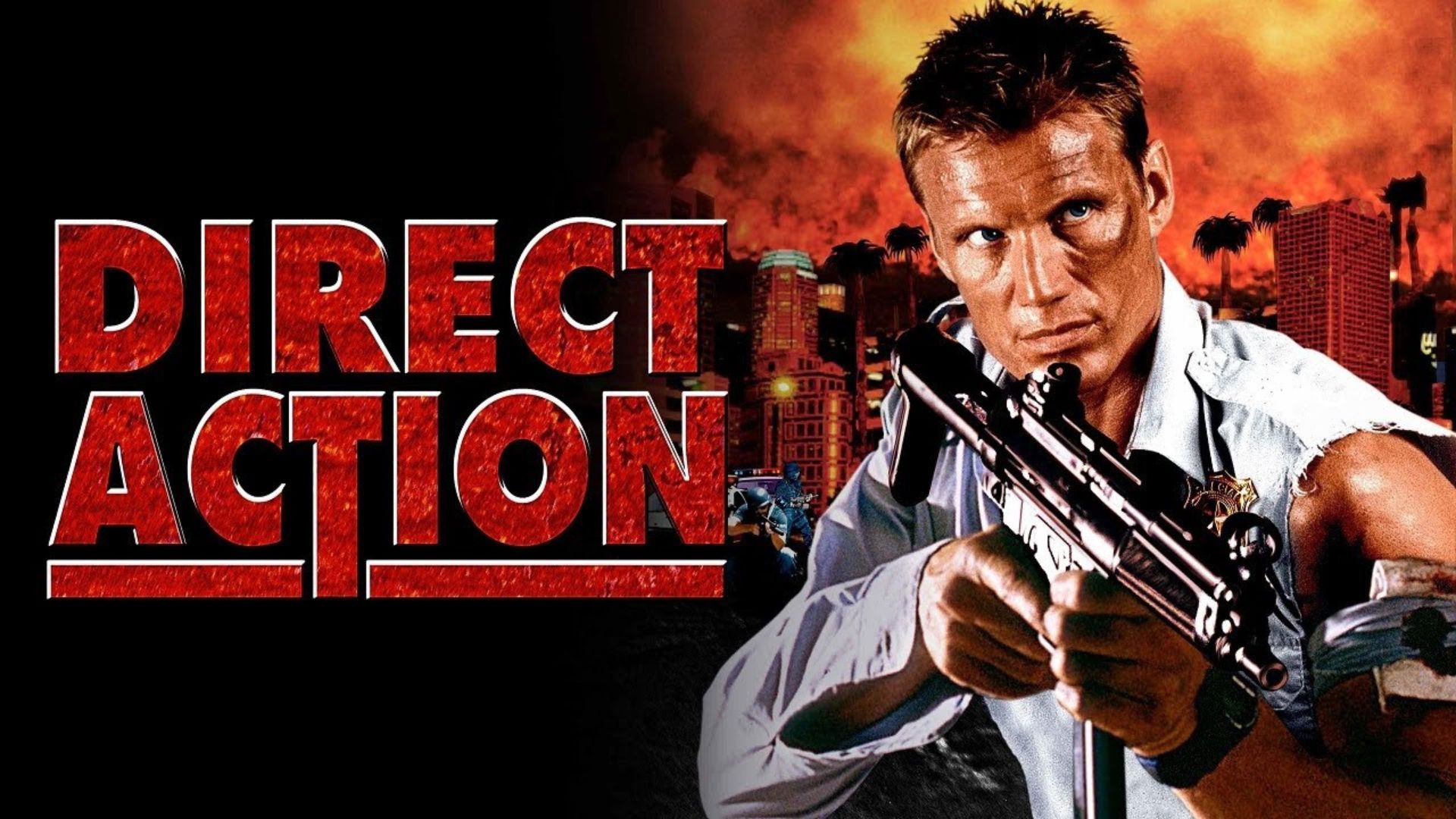
The Direct Action movie is a 2004 police thriller starring Dolph Lundgren. It follows a veteran officer who turns against corruption within his own unit. His choice places him in danger from people he once trusted. The story mixes gunfights, car chases, betrayal, and police drama. It is a simple setup, but the film keeps events moving quickly. Sidney J. Furie directed the picture, while Greg Mellott received the main writing credit. Polly Shannon, Donald Burda, Rothaford Gray, and Conrad Dunn fill key supporting roles. The film runs about 97 minutes and carries an R rating.
Many viewers find this title while searching for older Dolph Lundgren films. Others confuse it with a 2024 documentary bearing the same name. This guide focuses on the fictional 2004 action thriller. It explains the story, cast, ending, themes, production, and reception. It also offers an honest view of the film’s strengths and weaknesses. The goal is not to call it a hidden masterpiece. Instead, this article helps action fans decide whether it matches their tastes. The Direct Action movie works best for viewers who enjoy home-video thrillers, tough heroes, and corrupt-cop stories.
Direct Action Movie Quick Facts
The film was released in 2004 as an action and suspense title. Sidney J. Furie served as director. Greg Mellott wrote the screenplay, while Furie received a story credit. Dolph Lundgren plays Sergeant Frank Gannon. Polly Shannon plays Billie Ross, his inexperienced partner. Donald Burda appears as Bryant. Rothaford Gray plays Sergeant Ed Grimes. Conrad Dunn plays Captain Stone. TV Guide and Rotten Tomatoes list the runtime as one hour and 37 minutes. Both also describe the film as R-rated. IMDb identifies Hamilton, Ontario, Canada, as a filming location.
| Detail | Information |
|---|---|
| Release year | 2004 |
| Genre | Action, crime, and suspense |
| Director | Sidney J. Furie |
| Writer | Greg Mellott |
| Lead actor | Dolph Lundgren |
| Main character | Sergeant Frank Gannon |
| Main co-star | Polly Shannon |
| Runtime | About 97 minutes |
| Rating | R |
| Filming location | Hamilton, Ontario, Canada |
What Is the Direct Action Movie About?
The story centers on Frank Gannon, a longtime police sergeant. He works within a special police group called the Direct Action Unit. The unit appears strong from the outside. However, some of its members are involved in serious corruption. Gannon decides to testify about their crimes. His former partners soon learn about his plan. They begin hunting him before he can share the evidence. At the same time, he must protect Billie Ross, a younger officer assigned to work beside him. TV Guide describes Gannon as having one day to survive and prove his case. Rotten Tomatoes adds that corrupt officers frame him through a drug scheme.
That setup gives the Direct Action movie a clear ticking clock. Gannon cannot hide for weeks or build a slow legal case. He must act before the corrupt unit destroys his name. The film uses this deadline to move from one danger to another. Every conversation may hide a trap. Every officer may be working for Captain Stone. The basic question stays easy to follow. Can Gannon expose the truth before his own department silences him?
Spoiler-Free Plot Summary
Frank Gannon has served as a police officer for many years. He knows the streets, the rules, and the people around him. Yet his experience has also shown him a dark truth. Members of his elite unit have crossed the line. They use police power for personal gain. Gannon agrees to speak before investigators. He plans to reveal what he knows after one final shift. That final day becomes much more dangerous than expected. His former allies begin testing his loyalty. They soon stop pretending and try to remove him.
Billie Ross joins Gannon during this final shift. She does not fully understand the danger at first. She slowly learns that the people wearing badges may be the greatest threat. Gannon must keep her alive while protecting evidence and clearing his name. The plot includes ambushes, close fights, shootings, and vehicle action. It follows a familiar action-film path. Still, the fast pace makes this thriller easy to watch for genre fans.
Full Plot and Ending Explained
Spoiler warning: This section discusses major story events and the ending.
Gannon’s plan to testify causes the corrupt officers to turn against him. Their leaders understand that his evidence could destroy the unit. They try intimidation first. When that fails, they use force. They also create a drug-related frame-up. They hope the public will view Gannon as another dirty officer. Billie becomes involved because she witnesses too much. Her presence raises the stakes. Gannon is no longer fighting only for his own future. He must protect someone who did not choose this war.
The final part pushes Gannon toward a direct clash with the officers behind the corruption. The hero survives repeated attacks and keeps moving toward proof. The ending follows the moral shape expected from this genre. Hidden wrongdoing is brought into the open, while the main corrupt figures lose control. Gannon’s choice to speak becomes the heart of the payoff. The Direct Action movie does not build its ending around a deep mystery. Its satisfaction comes from watching one honest officer refuse to remain silent.
The ending also completes Gannon’s personal journey. At first, he appears tired and ready to leave the unit behind. He could simply walk away and protect himself. However, leaving would allow the corruption to continue. His final actions show that retirement does not remove his sense of duty. Billie also changes during the story. She begins as a less experienced officer who trusts the system. By the end, she understands that honest service may require standing against powerful colleagues.
The Main Cast and Characters
Dolph Lundgren leads the cast as Sergeant Frank Gannon. Polly Shannon plays Billie Ross. Donald Burda appears as Bryant, while Rothaford Gray plays Sergeant Ed Grimes. Conrad Dunn portrays Captain Stone. Other credited performers include Walter Alza as Espinoza and Alex Karzis as Agent Bill. Rotten Tomatoes lists the five central cast members beside director Sidney J. Furie. TV Guide confirms the director and screenplay credits.
The cast fits the film’s lean approach. Gannon is the tested veteran. Billie is the less experienced partner. Stone represents authority turned rotten. The other officers create uncertainty around every encounter. This structure gives the story a strong “one man against the system” feeling. The characters are not deeply layered. Most serve clear action-story roles. However, that simplicity keeps the conflict readable. Viewers always know who faces danger and why.
Supporting actors help create the feeling of a department filled with hidden loyalties. Some officers appear helpful at first. Others show their true goals more quickly. This uncertainty gives Gannon a reason to remain watchful. However, the screenplay does not spend much time developing each supporting character. Their main purpose is to strengthen the conspiracy and place new barriers in Gannon’s path.
Dolph Lundgren as Frank Gannon
Dolph Lundgren brings his familiar screen presence to Frank Gannon. He appears calm, physically strong, and difficult to scare. The role does not ask him to deliver long emotional speeches. Instead, it uses his size and controlled manner. Gannon feels like a man who has already seen many bad days. This makes his decision to testify believable within the story. He understands the risk before the attacks begin. He moves forward because silence would make him part of the corruption.
Lundgren also gives the action scenes weight. His fighting style looks practical rather than graceful. He often seems to overpower danger through experience and force. IMDb notes that Lundgren performed his own stunts for the film. That detail matches the physical nature of the performance. The Direct Action movie will not change anyone’s view of Lundgren as an actor. Yet it uses his strengths well. Fans who like his serious, quiet heroes should feel at home.
Gannon is not written as an unbeatable superhero. He gets trapped, surprised, and placed under pressure. His advantage comes from experience. He understands how police officers think and how they may hide evidence. Lundgren communicates this experience through careful movement and short reactions. He does not need to explain every thought. His controlled performance suggests that Gannon is always checking the room for danger.
Polly Shannon as Billie Ross
Billie Ross gives the story a needed second point of view. Gannon already knows how bad the unit has become. Billie learns the truth while the audience watches. Her confusion and fear help explain the danger. She also prevents the hero from spending the entire film alone. The partnership creates short moments of trust between the action scenes. Polly Shannon plays Billie as capable, but not fully prepared. That balance matters. Making her helpless would weaken the story. Making her equal to Gannon immediately would feel false.
The film could have given Billie more depth. Her background and personal goals receive limited space. Even so, she serves an important purpose. She becomes both a witness and a moral test for Gannon. He must choose whether to protect her when doing so creates more risk. Their partnership also shows that honest officers still exist. The entire department is not treated as evil. The real enemy is a closed group that protects its own crimes.
Billie also gives Gannon someone who can question his decisions. Without her, he might appear too cold or distant. Their conversations reveal that he still cares about doing the right thing. She slowly moves from doubt toward trust. That change is simple, but it gives the action a small emotional base.
Sidney J. Furie’s Direction
Sidney J. Furie directed the film and received a story credit. Greg Mellott wrote the screenplay. Furie had a long career before this project. His experience shows most clearly in the film’s steady movement. Scenes rarely remain still for too long. The story shifts between police stations, streets, vehicles, and industrial-looking spaces. Furie keeps the goal easy to understand, even when the conspiracy adds new names. The movie does not aim for a polished blockbuster style. It works within a smaller production scale.
The direction favors function over beauty. Shots explain where people stand and where danger comes from. The picture sometimes looks like television, especially during quieter scenes. Yet Furie often finds enough energy during attacks and chases. His approach suits viewers who value pace above visual detail. The result feels like an old-school police episode expanded into a feature film.
Furie also avoids making the plot harder than needed. The audience receives clear information about Gannon’s goal and enemies. This helps the movie maintain speed. However, the same direct approach reduces surprise. Viewers familiar with corrupt-police stories may guess several developments early.
Action Scenes and Stunt Work
The movie includes gunfights, hand-to-hand combat, ambushes, and vehicle chases. These scenes arrive often enough to support the action label. They are smaller than set pieces from major studio films. There are no giant digital worlds or superhero powers. Most danger comes from armed people in streets, buildings, and cars. This makes the film feel grounded, even when the events become unlikely. The action also suits Lundgren’s physical style. He looks most convincing when using direct strikes, quick reactions, and raw strength.
According to IMDb, Lundgren performed his own stunts. That adds interest for longtime fans. However, the editing and budget sometimes limit the impact. Some moments end before they can build real suspense. Others use familiar staging. Still, the Direct Action movie understands its audience. It delivers regular conflict and avoids long stretches without danger.
The action works best when Gannon faces threats in smaller spaces. Lundgren’s height and strength become more visible during close combat. Car scenes help the film feel larger, but they cannot match the scale of a theatrical blockbuster. The production gets the most value from practical locations and physical performance.
Police Corruption as the Main Theme
The central theme is loyalty versus truth. Gannon belongs to a unit that expects complete silence. Its members treat betrayal of the group as worse than their own crimes. Gannon rejects that idea. He believes the badge should serve the public, not protect a private brotherhood. This places him outside the group he once trusted. The film turns that moral choice into physical danger. Speaking honestly means becoming a target.
This theme is common in police thrillers because it creates immediate tension. The hero knows the system from inside. He also understands how it can be used against him. The story does not explore corruption with great detail. It does not examine policy, courts, or public reform. Instead, it reduces the issue to one personal choice. Gannon can stay quiet and remain safe. Or he can expose the truth and risk everything. That simple conflict gives the story its emotional center.
The corrupt officers also use loyalty as a weapon. They expect Gannon to protect them because they worked together. This creates a clear moral question. Does loyalty mean protecting friends, even when they harm others? The film answers no. True duty must be tied to justice rather than personal friendship.
Trust, Partnership, and Personal Duty
A second theme involves trust. Gannon cannot rely on rank, uniforms, or old friendships. Each sign of authority may hide danger. Billie must also decide whether she trusts Gannon. The evidence around him makes him appear guilty. His own department presents him as a criminal. She must judge his actions rather than accept an official story. This gives their partnership more meaning than a standard hero-and-helper pairing.
The film also asks what duty means when leaders become corrupt. Following orders is not always the same as doing right. Gannon’s duty changes from protecting his unit to protecting the truth. Billie’s duty changes as she sees the system fail. The film presents these ideas in simple terms. It does not offer long debates. Instead, each choice happens during danger. That approach keeps the themes connected to action rather than stopping the plot.
Gannon’s decision also shows the cost of honesty. Telling the truth does not bring him quick praise. It destroys old relationships and places his life at risk. The story suggests that doing right may feel lonely before it produces change.
Production, Filming, and Technical Crew
The production used Canadian locations while presenting an American police story. IMDb lists Hamilton, Ontario, Canada, as a filming location. TV Guide describes the plot as involving corruption within the Los Angeles Police Department. Curtis Petersen handled cinematography. Adam Nordén composed the music. Nick Rotundo and Saul Pincus worked as editors. Letterboxd credits Lewin Webb, Paul Jennison, Gary Howsam, and Shane Cardwell as producers. It also lists Avi Lerner as an executive producer.
These credits help explain the film’s compact character. Warehouses, roads, offices, and urban corners provide practical settings. The Direct Action movie belongs to a period when Lundgren appeared in several home-video action titles. His 2004 projects also included Retrograde and The Defender. Such productions depended on efficient crews and familiar genre ideas. Their goal was not always theatrical scale. They aimed to deliver clear entertainment at a controlled cost.
Filming in Hamilton gave the production access to urban streets and industrial spaces. Those locations support the gritty mood. They also make the film look different from a sunny Los Angeles thriller. Some viewers may notice the Canadian setting. Others may accept it as part of the movie’s plain visual world.
Visual Style, Editing, and Music
Curtis Petersen’s cinematography uses a straightforward visual style. The camera usually keeps action readable. Dark interiors and hard urban spaces support the police-thriller mood. The picture does not have a rich or glossy finish. Some viewers may see that as cheap. Others may find it suitable for the story’s rough setting. The Canadian locations also create a slightly cooler appearance than many Los Angeles crime films.
The editing by Nick Rotundo and Saul Pincus keeps the film moving. Scenes often begin close to the important action. They also end soon after the needed information appears. Adam Nordén’s score supports tension without becoming the film’s main feature. The production uses these elements to maintain pace. Its craft is practical rather than memorable. Nothing distracts from the hero, the threat, or the next confrontation.
The simple presentation may appeal to viewers who dislike overly busy action editing. Events are generally easy to understand. However, people seeking striking camera work may leave disappointed. The film rarely creates an image that stays in memory after the story ends.
Reviews and Audience Reception
The film has a limited critical record. Rotten Tomatoes currently lists no professional critic reviews. Its audience score stands at 42 percent from more than 500 ratings. That number may change as users add new votes. The site’s audience comments show mixed reactions. Some viewers call the film routine or weak. Others enjoy its honest, fast-moving action style.
This split makes sense. The Direct Action movie uses a familiar plot and modest production values. Viewers seeking rich characters or fresh ideas may feel disappointed. Fans of home-video action may judge it differently. They may enjoy Lundgren’s presence, frequent conflict, and short runtime. Neither response is wrong. Expectations strongly shape the experience. The film is easier to enjoy when approached as a simple police thriller, not a prestige crime drama.
Audience ratings should also be read with care. A low score does not always mean every viewer will dislike a film. Genre fans often value different qualities from general audiences. Some viewers may forgive weak dialogue when the pace remains fast. Others may dislike the movie because it repeats familiar ideas.
What the Film Does Well
The strongest feature is pace. The story introduces its main danger quickly. It then keeps Gannon under pressure. The goal remains clear throughout the film. He must survive, protect Billie, and expose the corrupt unit. This clarity helps viewers follow the story without much effort. Lundgren also gives the film a solid center. His quiet style fits a veteran officer who has little time for speeches.
Another strength is the basic partnership between Gannon and Billie. Their different experience levels create useful tension. She asks questions that he would never ask. He understands dangers she cannot yet see. The thriller also gives action fans regular physical conflict. It does not hide behind long explanations. Viewers who enjoy simple stories may appreciate that directness. The film knows the kind of entertainment it wants to provide.
The central conflict is also easy to care about. Most viewers can understand why Gannon must act. Corrupt officers have used their power to protect themselves. The story gives the hero a clear moral reason to fight back. That clarity helps overcome some of the thin character writing.
Where the Film Falls Short
The plot depends heavily on familiar ideas. Corrupt police officers, a framed hero, and one final day are common action-thriller elements. The villains also lack depth. Their motives mainly support the chase. More personal history between Gannon and Captain Stone could have created stronger emotion. Billie also needed additional development. Her role matters, but the script gives her little life beyond the crisis.
The smaller budget becomes visible in several scenes. Locations repeat a plain industrial look. Some action moments feel brief or lightly staged. The story also has limited surprise. Experienced viewers may predict major turns before they happen. These problems do not make it unwatchable. They simply place a ceiling on its impact. It works as quick genre entertainment. It struggles when compared with the best police corruption films.
Dialogue is another weak area. Characters often speak to explain the plot or move toward the next attack. Few conversations reveal complex feelings. The villains could also use stronger personalities. A more memorable enemy would make Gannon’s final victory feel more rewarding.
How It Fits Dolph Lundgren’s Career
The film arrived during a period filled with smaller home-video action projects for Lundgren. His screen career had begun much earlier. His official biography says Rocky IV brought him worldwide attention. By 2004, he was regularly leading lower-budget thrillers. That year also included Retrograde and The Defender. His official site identifies The Defender as his first directing effort.
Within that period, the Direct Action movie gives him a role closely matched to his image. Gannon is disciplined, experienced, and physically imposing. He is not a playful hero. He carries the weight of old choices and distrust. Fans may not rank this title beside Lundgren’s best-known films. Still, it shows why he remained useful to action producers. He could anchor a simple story through presence, movement, and international name value.
The role also allowed Lundgren to perform grounded police action. It does not involve science fiction, super-soldiers, or fantasy. Gannon is a human officer relying on training and judgment. This gives the performance a different tone from some of Lundgren’s larger roles.
How It Compares With Other Police Thrillers
The story shares ideas with many films about honest officers facing corruption. These stories often feature hidden evidence, false charges, and dangerous colleagues. However, this production takes a simpler path than major crime dramas. It spends less time on politics, legal systems, or psychological depth. Its focus remains survival and physical action.
Viewers should not expect the complex moral world of L.A. Confidential. They should not expect the character work of Training Day either. This film belongs closer to television-style action thrillers and home-video releases. That does not make it worthless. It simply means the goals are smaller. The movie wants to keep Gannon moving through danger. It offers a direct struggle between an honest officer and a corrupt group.
This comparison helps set fair expectations. Judging every smaller movie against an award-winning drama can hide its simple strengths. The film may lack depth, but it remains clear and fast. Those qualities matter to viewers seeking casual action.
Who Should Watch It?
This film is best for viewers who enjoy older home-video action. It also suits fans of Dolph Lundgren’s serious roles. People who like corrupt-cop plots may find the story comfortable and familiar. The short runtime makes it easy to watch in one sitting. It can work well as casual evening entertainment. Viewers do not need to study a complex world or remember many side stories.
This film may not suit everyone. People seeking clever dialogue may find it plain. Those wanting deep police drama should choose a more detailed production. Viewers who dislike low-budget visuals may also struggle. The best approach is to expect a basic action thriller. It offers a tough hero, a young partner, corrupt officers, and steady danger. When judged on those terms, it can provide a simple and watchable experience.
Longtime Lundgren fans are the clearest audience. They already understand his quiet acting style and physical approach. Viewers exploring his filmography may also find the title interesting. However, newcomers should probably begin with one of his better-known movies.
Where Can You Watch It?
Rotten Tomatoes currently lists Apple TV as a rental or purchase option. Apple’s own listing also identifies Dolph Lundgren, Polly Shannon, and Donald Burda as the stars. Streaming rights often change by country and date. A title available today may leave a service later. Viewers should search the exact title, release year, and lead actor. This helps avoid confusion with the 2024 documentary.
Before paying, check the listed cast. The correct 2004 title should show Dolph Lundgren as Frank Gannon. Polly Shannon should appear as Billie Ross. Sidney J. Furie should be named as director. The runtime should be close to 97 minutes. These details prevent accidental purchases. Availability can differ across Pakistan, the United States, Britain, and other markets.
The film may also appear through ad-supported services or physical DVD sellers. Vizio WatchFree+ has listed the title in its catalog, though regional access may vary. Always confirm availability directly before creating an account or paying.
Direct Action 2004 Versus Direct Action 2024
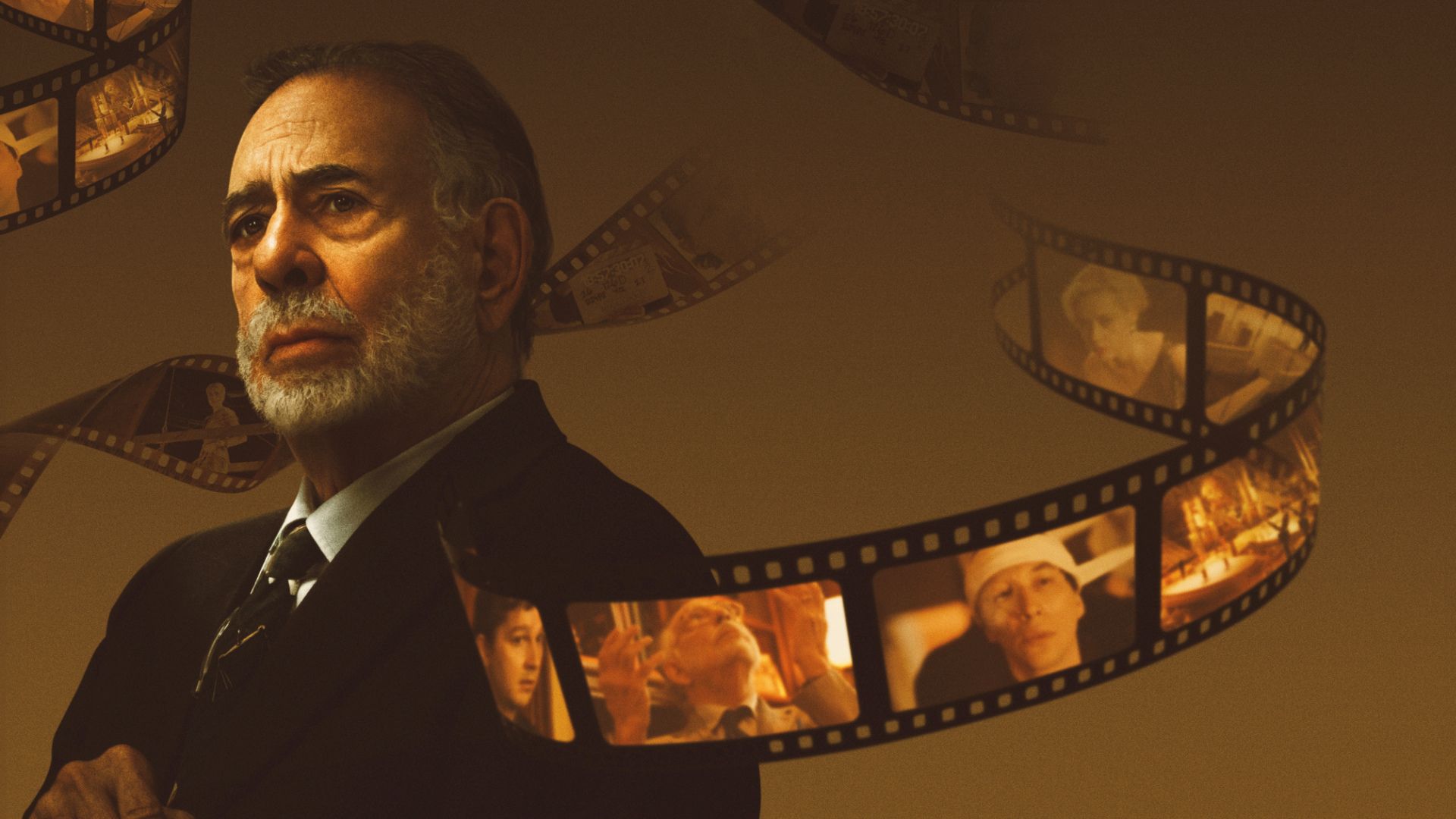
The two films share a title but have almost nothing else in common. The 2004 release is a fictional police-action thriller. It stars Dolph Lundgren and follows Sergeant Frank Gannon. The 2024 film is a long documentary by Guillaume Cailleau and Ben Russell. It studies an activist community in France. The documentary premiered through the Berlinale and won the Encounters prize for best film.
Search engines may show both titles together. That can confuse viewers. Add “2004,” “Dolph Lundgren,” or “Frank Gannon” when searching for the older film. Add “2024,” “documentary,” or the directors’ names for the newer work. The Direct Action movie discussed in this article is the 2004 thriller. It is not about political activism. It uses the phrase as the name of a police unit within its fictional story.
The runtimes also make the titles easy to separate. The older action film lasts about 97 minutes. The newer documentary runs for more than three hours. Their posters, casts, directors, and genres are completely different.
Is the Direct Action Movie Worth Watching?
The answer depends on what you expect. This is not a major studio classic. It does not offer a complex mystery or polished spectacle. Its characters fit familiar action types. Its visuals show the limits of a smaller production. However, the film moves quickly and gives Lundgren a suitable role. It also has a clear conflict that remains easy to follow. The partnership with Billie adds enough human interest to support the chase.
The film is worth considering for dedicated Lundgren fans. It may also entertain viewers who enjoy uncomplicated police thrillers. Newcomers should not begin with expectations of Training Day or L.A. Confidential. A better comparison is a feature-length cable thriller with frequent action. On that level, it offers a focused story and a dependable lead performance.
It may also work for viewers feeling nostalgic for early-2000s action releases. The plain locations, practical stunts, and simple plot reflect that period. The experience is familiar rather than fresh. For the right viewer, that familiarity can feel comfortable.
Frequently Asked Questions
Is Direct Action Based on a True Story?
No reliable film source presents the story as a true account. The plot is a fictional police thriller about Frank Gannon and a corrupt special unit. The characters and central conspiracy serve the needs of the action story. However, the film uses real concerns involving abuse of power, false evidence, and loyalty within institutions. Those themes may feel realistic, even when the specific events are invented. TV Guide and Rotten Tomatoes both describe the story as a fictional action setup. Neither identifies a real case behind it.
Who Plays Frank Gannon?
Dolph Lundgren plays Sergeant Frank Gannon. Gannon is an experienced officer preparing to testify against corrupt colleagues. His decision turns former partners into enemies. Lundgren’s physical size and calm screen style shape the role. He handles fights, shootings, chases, and short dramatic scenes. IMDb also notes that he performed his own stunts in the production. Frank Gannon fits the kind of disciplined action hero Lundgren often played during this stage of his career.
Who Directed Direct Action?
Sidney J. Furie directed the 2004 film. TV Guide also lists Furie beside Greg Mellott in the writing credits. Letterboxd credits Mellott as screenwriter and Furie with the story. Furie’s direction keeps the narrative moving quickly. His work focuses on clear danger, direct conflict, and regular action. The movie does not use a highly stylized approach. Instead, it follows a practical crime-thriller format suited to its smaller production scale.
How Long Is the Film?
The film runs about one hour and 37 minutes. That equals roughly 97 minutes. Rotten Tomatoes and TV Guide both list this length. The short runtime helps maintain a fast pace. The story has little room for side plots or long character studies. Most scenes support the corruption case, Gannon’s survival, or his partnership with Billie. Viewers seeking quick action may see this as a strength.
Where Was Direct Action Filmed?
IMDb lists Hamilton, Ontario, Canada, as a filming location. The production uses Canadian urban areas to represent the movie’s American police setting. Streets, office spaces, industrial areas, and roads create the required crime-thriller environment. Some viewers may notice that the city does not look strongly like Los Angeles. However, the practical locations still provide a suitable background for chases, confrontations, and police scenes.
Is Direct Action Available on Netflix?
Availability changes often and differs by country. Rotten Tomatoes currently lists Apple TV as a rental or purchase option. It does not confirm worldwide Netflix access. Search your local Netflix library before subscribing for this title. Use the year 2004 and Dolph Lundgren’s name. That prevents confusion with the 2024 documentary. Digital stores, ad-supported platforms, and physical DVD copies may offer other options when subscription streaming is unavailable.
Conclusion
This 2004 thriller tells a simple story about an honest officer facing a corrupt unit. Dolph Lundgren gives Frank Gannon a firm and believable physical presence. Polly Shannon adds a useful partner through Billie Ross. Sidney J. Furie keeps the plot moving across its 97-minute runtime. The result has clear strengths, including pace, action, and an easy-to-follow goal. It also has clear limits, including familiar ideas, thin villains, and modest production values.
The Direct Action movie is not essential viewing for every action fan. Yet it has value for the right audience. Watch it for Lundgren, old-school police danger, and home-video energy. Keep expectations realistic, and the experience may be more enjoyable. Its simple message also remains clear. Loyalty should never become an excuse for hiding corruption.




Leave a Reply